
EDC Gear
Personal Alarm Benefits: A Low-Profile Safety Feature For Carriers
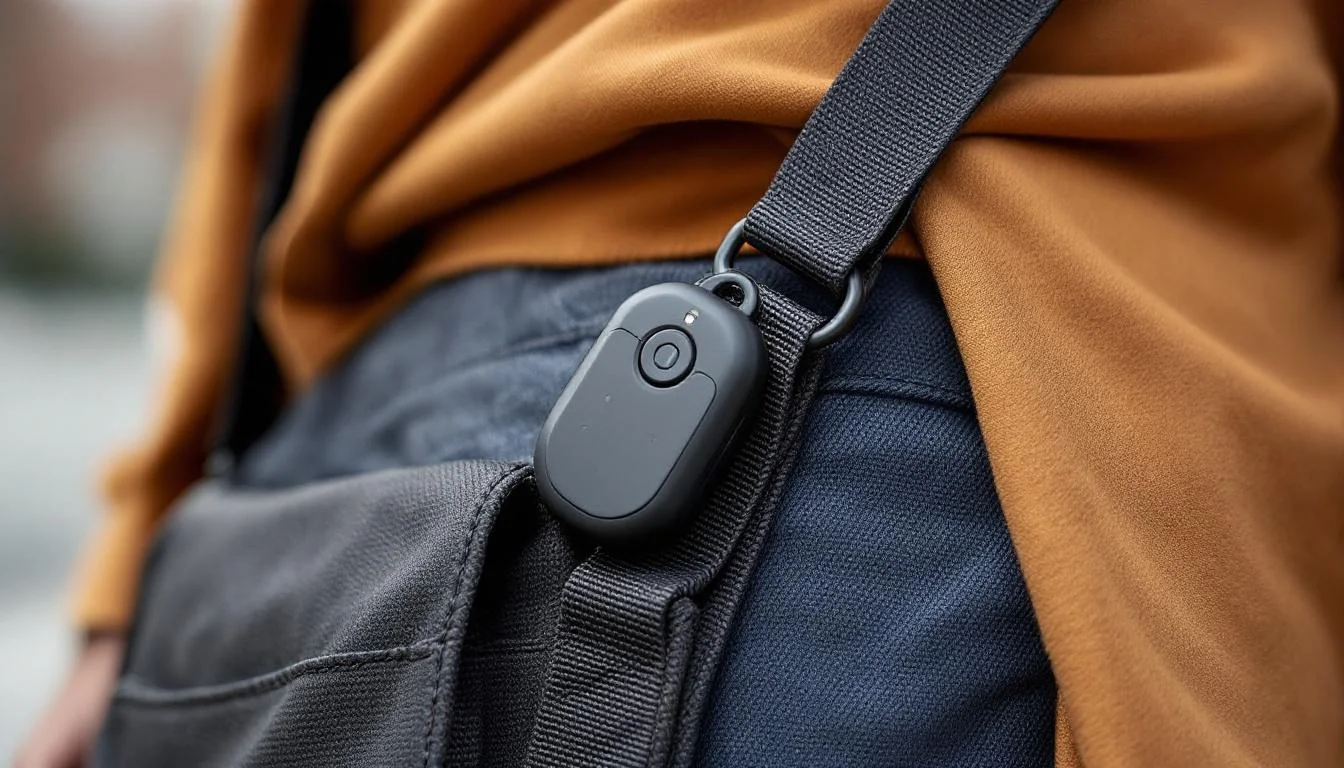
Carrying a firearm comes with responsibility, but it doesn’t mean you’re limited to just one self-defense tool. A personal alarm adds a critical layer of protection that works before, during, and after a threat emerges.
At Cloudster Pillow, we believe smart carriers understand that layering your defense strategy makes you safer. A personal alarm is one of the most underrated tools in any concealed carrier’s arsenal, and it deserves serious consideration.
Why Personal Alarms Matter for Concealed Carriers
The Speed Advantage Over Lethal Force
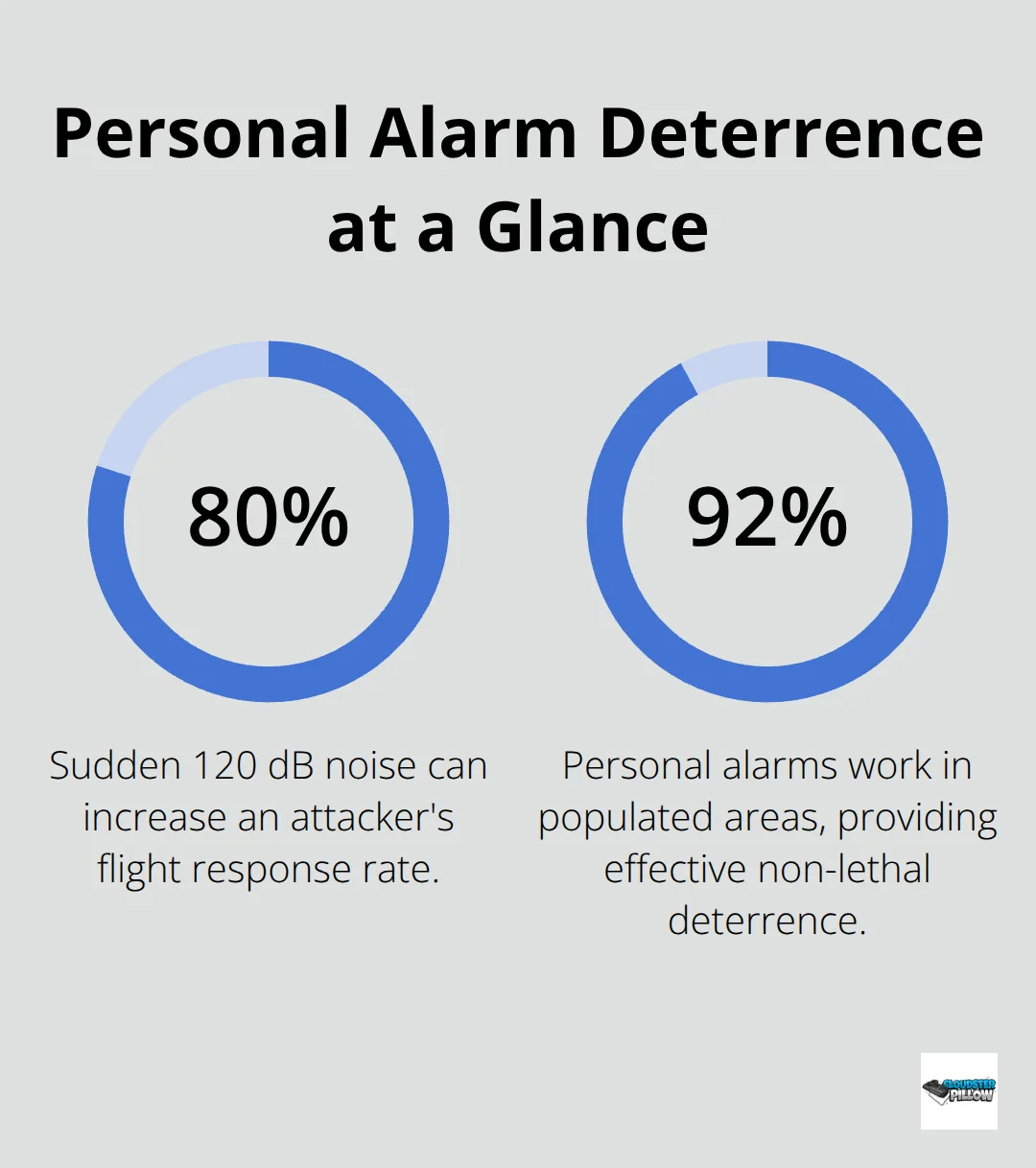
A personal alarm reaches a threat faster than your firearm ever will. The National Crime Prevention Council found that a sudden 120 dB noise increases an attacker’s flight response rate by up to 80 percent, meaning the alarm itself can stop a situation before it escalates to lethal force. For concealed carriers, this matters enormously. You train to deploy your firearm, but the goal is always to avoid using it. A personal alarm provides an immediate, non-lethal response that works in seconds and draws attention from bystanders or authorities. It costs nothing to activate-no aim required, no recoil, no legal aftermath.
You pull a pin or press a button, and suddenly an attacker faces disorienting noise that forces them to decide whether this target is worth the attention they’re now receiving. Most choose to flee. The alarm doesn’t replace your carry weapon; it sits in front of it in your defense hierarchy.
Simplicity and Real-World Accessibility
What makes personal alarms genuinely practical for everyday carriers is their simplicity and accessibility. A compact model clips to your keychain, purse strap, or belt loop and stays accessible during your commute, at the grocery store, or during your morning run. You don’t need training to use one, which means your partner, your kids, or anyone borrowing your car can activate it under stress. TSA-approved personal alarms work in spaces where pepper spray is banned-airports, courthouses, schools-expanding your options in restricted environments. The device itself costs between 10 and 30 dollars for quality models, making it affordable to carry multiple units in different locations. Size and weight create zero burden; a personal alarm weighs ounces and fits in a pocket.
Why Accessibility Determines Real Protection
This accessibility matters because the best self-defense tool is the one you actually carry. If your alarm sits at home, it protects nothing. If it clips to your everyday carry, it works passively until you need it. That’s the difference between theoretical safety and real protection. The next step is understanding how these devices actually work and what specifications matter when you’re selecting one for your specific carry situation.
What Specifications Actually Matter When Choosing a Personal Alarm
Decibel Output and Real-World Performance
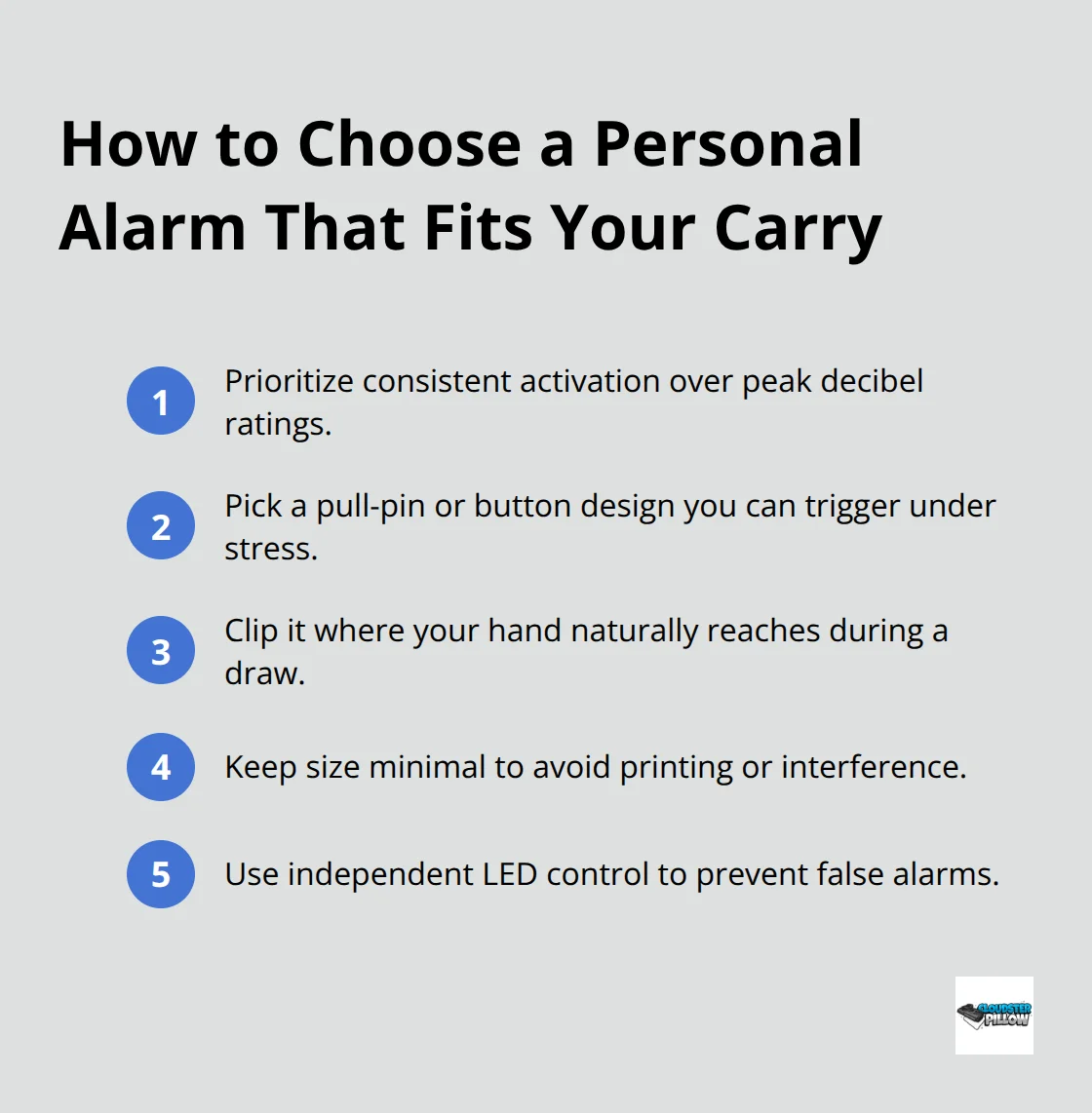
The decibel rating is where most carriers go wrong. You’ll see alarms advertised at 120 dB, 130 dB, or even 140 dB, but output alone doesn’t guarantee effectiveness. A 120 dB alarm in an open parking lot works differently than the same alarm in a stairwell or enclosed space, where sound reflects and intensifies. Decibel output effectiveness in different environments varies based on your location and surroundings. SABRE’s lineup offers 120 dB and 130 dB models, and the difference matters less than you think if you’re in an environment where bystanders can hear and respond. What matters more is consistency-you need an alarm that activates every single time without hesitation.
Activation Methods That Work Under Stress
Pull-pin designs like SABRE’s Snap Hook model demand a deliberate motion. You grip the device, yank the pin, and the siren engages immediately. Button-press activation on models like the SOS variant requires a double-click, which takes slightly longer but prevents accidental discharge. For concealed carriers already managing a firearm, holster positioning, and potentially other gear, a pull-pin alarm wins because the motion is instinctive and there’s no confusion under stress. Test your chosen model at home at normal volume to confirm you can activate it without thinking. Activation speed matters more than peak decibel output because a slower alarm is useless if you hesitate in a real threat.
Size and Carry Integration for Daily Use
Size and carry integration determine whether your alarm actually stays with you. A personal alarm that’s too bulky ends up in a desk drawer. The compact keychain models from SABRE weigh under two ounces and clip to your existing keychain, purse strap, or inside your IWB holster’s retention loop-that last option is critical for concealed carriers because it rides where your hand naturally falls during a draw. If you run an AIWB setup with a holster wedge for additional concealment and comfort, your alarm should attach forward of your appendix position so it doesn’t interfere with your draw or create printing.
LED Features and Independent Controls
The clip-on variants with LED strobe features add visibility in low-light scenarios without adding significant bulk. LED functionality should be independently controlled from the alarm-you want to activate light without triggering the siren during false alarms or when you’re simply checking your surroundings at night. Attachment hardware matters too. Snap hooks and key rings transfer between bags, pockets, and vehicles in seconds, which means your alarm doesn’t stay behind when you switch from your work bag to your gym bag. A quality personal alarm moves with your routine, not against it.
Matching Your Alarm to Your Carry Situation
The specifications that matter most depend on your specific environment and carry method. A runner needs a compact clip-on model that won’t bounce or shift during movement. An office worker benefits from a keychain alarm that stays accessible at a desk or in a bag. A concealed carrier managing multiple tools needs something that integrates seamlessly with existing gear without adding complexity. Once you understand what specifications fit your life, the next step is comparing personal alarms to other self-defense options and figuring out where they fit in your layered defense strategy.
How Personal Alarms Stack Against Other Self-Defense Tools
Why Personal Alarms Win on Speed and Simplicity
A personal alarm occupies a specific role in your defense hierarchy that pepper spray and stun guns cannot fill. Pepper spray requires aim and contact-you must identify the threat, draw the canister, and deploy it accurately while under stress, all while managing distance and wind direction. Stun guns demand physical contact with an attacker and work only if you can close distance safely. Personal alarms are the most universally legal and work 92% of the time in populated areas. You activate it instantly from any distance, and the sound does the work for you. This speed advantage makes personal alarms your first line of response, not your backup option.
Building Your Layered Defense Strategy
Pepper spray works best as your second layer-if an attacker does not flee the alarm, the spray gives you a physical deterrent with no training requirement. For concealed carriers, this means your alarm activates first, your pepper spray deploys second if needed, and your firearm remains your absolute last resort. This layering strategy reflects real-world threat progression rather than theoretical self-defense philosophy. Most threats end at the alarm stage because the attacker never expected resistance and chooses to leave rather than escalate. The ones that continue force you into your next tool.
Legal Restrictions That Favor Personal Alarms
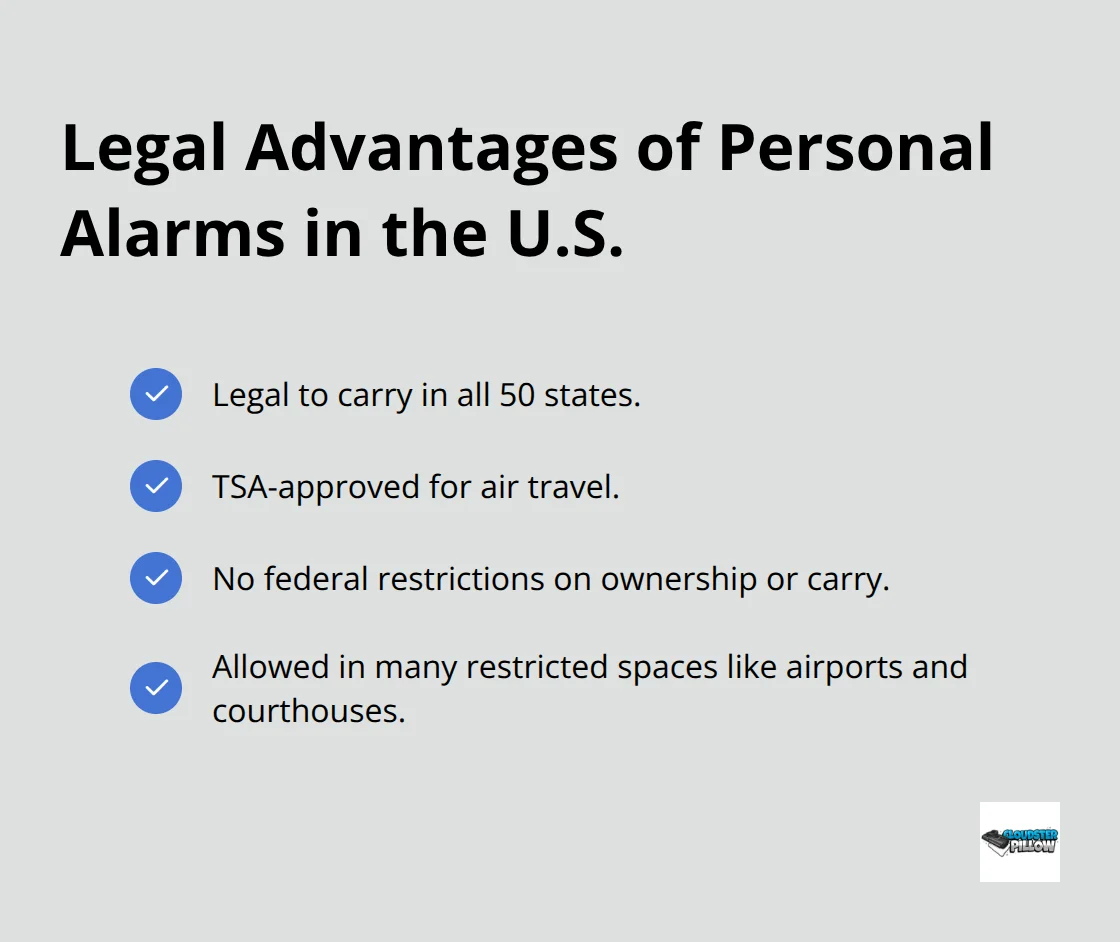
Legal restrictions vary wildly across states, and this variation determines which tools you can actually carry. Pepper spray capacity limits range from 0.75 ounces in New Jersey to 10 ounces maximum, with some states requiring in-person purchases from licensed dealers and others allowing online orders. Tasers and stun guns face even stricter regulation-New York requires constitutional compliance checks, Alabama classifies misuse as felony-level offense, and some jurisdictions ban them entirely. Personal alarms face almost no legal restrictions because they produce sound, not chemical or electrical effects. All 50 states permit them, the TSA approves them for air travel, and federal law does not restrict ownership or carry.
Navigating State-Specific Laws for Other Tools
This legal simplicity makes personal alarms the foundation of any layered defense strategy across all states and jurisdictions. When you cross state lines for work or travel, your alarm travels with you without legal complications. Your pepper spray might not. Your stun gun definitely might not. This reliability matters enormously for carriers who move between states or travel frequently. Before purchasing any self-defense tool beyond your personal alarm, consult your state’s official statutes-not blogs or forums. California Penal Code sections 22810 and 22610 govern pepper spray; New York Penal Law 265.20 covers electric weapons; New Jersey Statute 2C:39-6(i) limits pepper spray capacity. These laws change and vary by city within states, meaning a tool legal in one neighborhood might violate ordinances in another.
Why Personal Alarms Remain Your Foundation
Your personal alarm sidesteps this complexity entirely, which is why smart carriers make it their primary non-lethal tool and build other options around it based on their specific legal environment.
Final Thoughts
A personal alarm activates faster than any other tool, requires zero training, works in every state, and costs almost nothing. The 80 percent flight response rate from sudden loud noise means most threats end before they escalate to lethal force. Your firearm stays your last resort, not your first response, and that distinction keeps you safer legally and tactically.
Choosing your alarm means matching it to your actual carry routine. A compact keychain model clips to your existing setup without adding bulk or complexity, and pull-pin activation works instinctively under stress. If you run an AIWB holster, a holster wedge like Cloudster Pillow improves both comfort and concealment while keeping your personal alarm accessible at your appendix position.
Test activation at home at normal volume so you understand the motion and sound. Carry your alarm daily, replace batteries regularly, and treat it as seriously as you treat your firearm training. Your personal alarm prevents most situations from reaching lethal force, which makes it the foundation of any smart carrier’s defense strategy.
