
Uncategorized
Front Carry Problems Solved: Appendix Carry Comfort Solutions
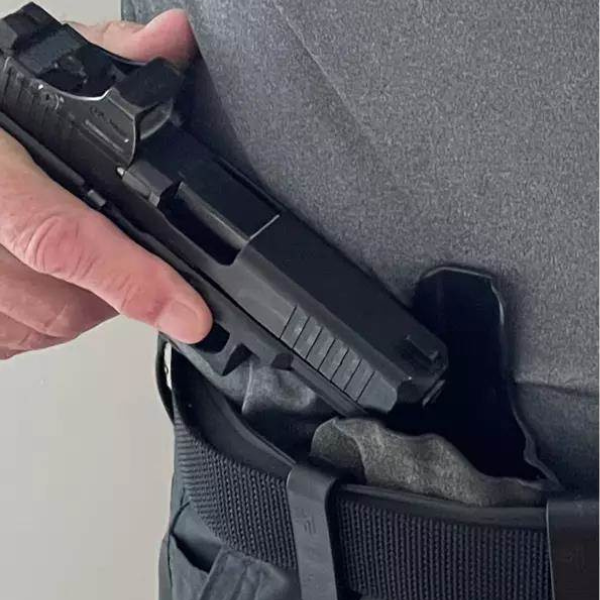

Appendix carry problems don’t have to derail your daily routine. Many CCW carriers struggle with discomfort, printing, and holster shifting when carrying in the front waistband position.
At Cloudster Pillow, we’ve seen firsthand how the right setup transforms appendix carry from uncomfortable to genuinely wearable. This guide walks you through proven solutions that work.
Why Front Carry Creates Physical Discomfort
Pressure Points and the Grip Problem
Appendix carry concentrates weight and pressure directly against your body where you sit, bend, and move constantly throughout the day. The firearm, holster, and belt hardware all push inward on your abdomen, lower ribs, and hip area-spots that experience repeated stress during normal activities. Unlike 4 o’clock carry, which distributes pressure along your side, front carry forces your body to support a rigid mass in one of the most active zones. At 6 feet tall and 240 pounds, larger frames face compounded pressure because the gun sits closer to vital organs and soft tissue, creating hotspots that worsen during extended sitting or when bending forward. Before you swap holsters again, start with the belt — it’s the cheaper fix and usually the actual culprit.
Printing becomes an immediate problem because the grip profile sits directly under your shirt, and any loose fabric or movement reveals the outline. A stiff belt helps, but without the right holster design, the grip tends to angle outward due to gravity, making concealment nearly impossible even under baggy clothing. The real issue isn’t appendix carry itself-it’s that most holsters ship with generic designs that ignore how your body actually moves.
Ride Height and Holster Stability
Ride height matters enormously; a holster positioned too low forces the grip into your abdomen when sitting, while one positioned too high creates leg contact and printing. Holster movement compounds the problem because inadequate belt clips allow the rig to shift side-to-side during walking or drawing, creating friction against your body and inconsistent gun positioning. A stiff dual-layer belt keeps the holster stable and upright, preventing the rig from tilting outward under gravity.
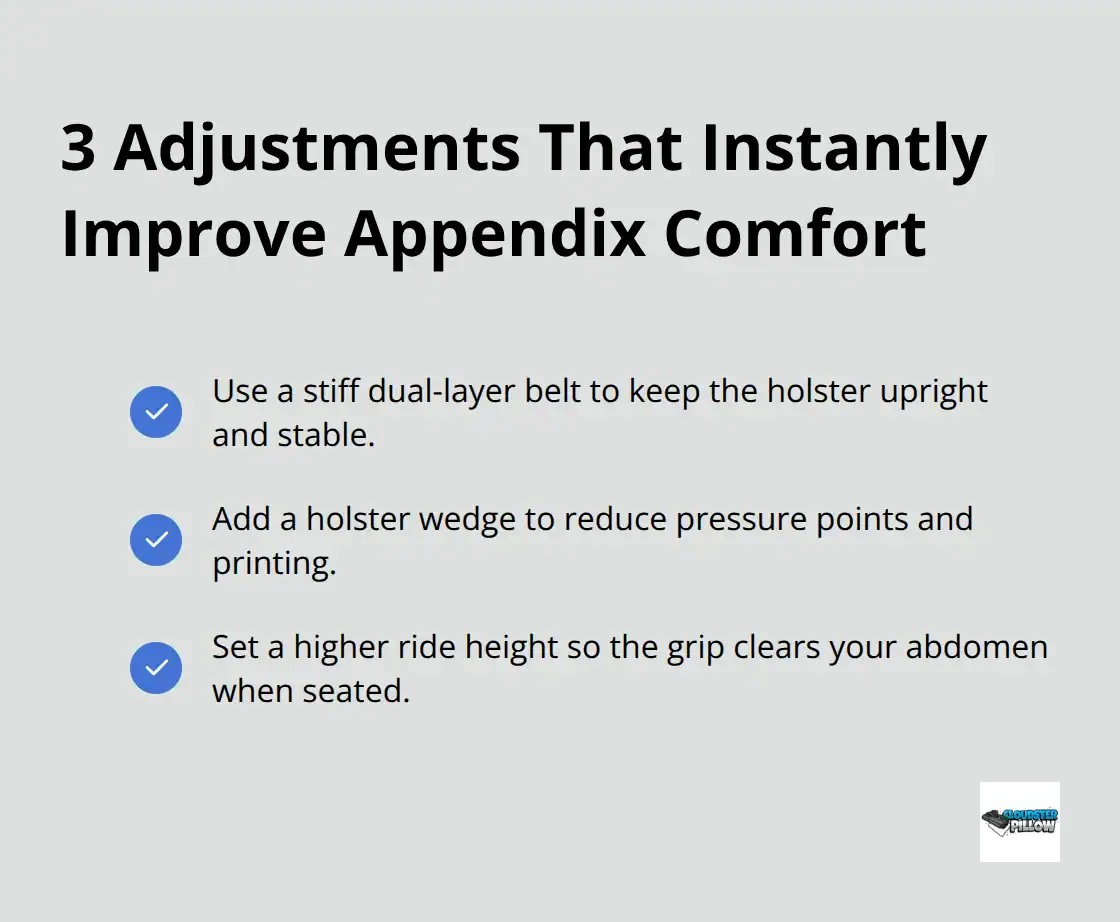
Many carriers abandon appendix carry after a few uncomfortable weeks because they assume their body type makes it impossible, when the real culprit is poor gear setup. The solution requires specific adjustments: a stiff dual-layer belt to maintain stability, a holster wedge to reduce printing and pressure points, and a high-ride position that clears your abdomen when seated.
Heat, Moisture, and Firearm Protection
Heat and moisture buildup accelerates in appendix carry because your body temperature and sweat concentrate against the holster and firearm. In warm climates or during physical activity, sweat pools between your skin and the Kydex material, creating discomfort and promoting rust and corrosion on your firearm. Opting for holsters with sweat guards guarantees better defense against corrosion and improves durability, especially if you frequently carry in humid conditions.
These three adjustments-a stiff belt, a holster wedge, and proper ride height-transform appendix carry from a source of daily pain into a genuinely comfortable option that works for larger frames and longer wear periods. With the right setup in place, you can now focus on selecting the specific holster and accessories that match your body type and daily routine.
Building Your Appendix Setup
Position, Belt, and Clothing Work as One System
Appendix carry success depends on three interconnected factors working together: your holster’s position, your belt quality, and your clothing choices. These elements don’t function independently-a premium holster paired with a weak belt fails just as badly as a solid belt paired with a poorly designed holster. The goal is to create a system where your firearm stays stable, concealed, and accessible without constant adjustment throughout the day.
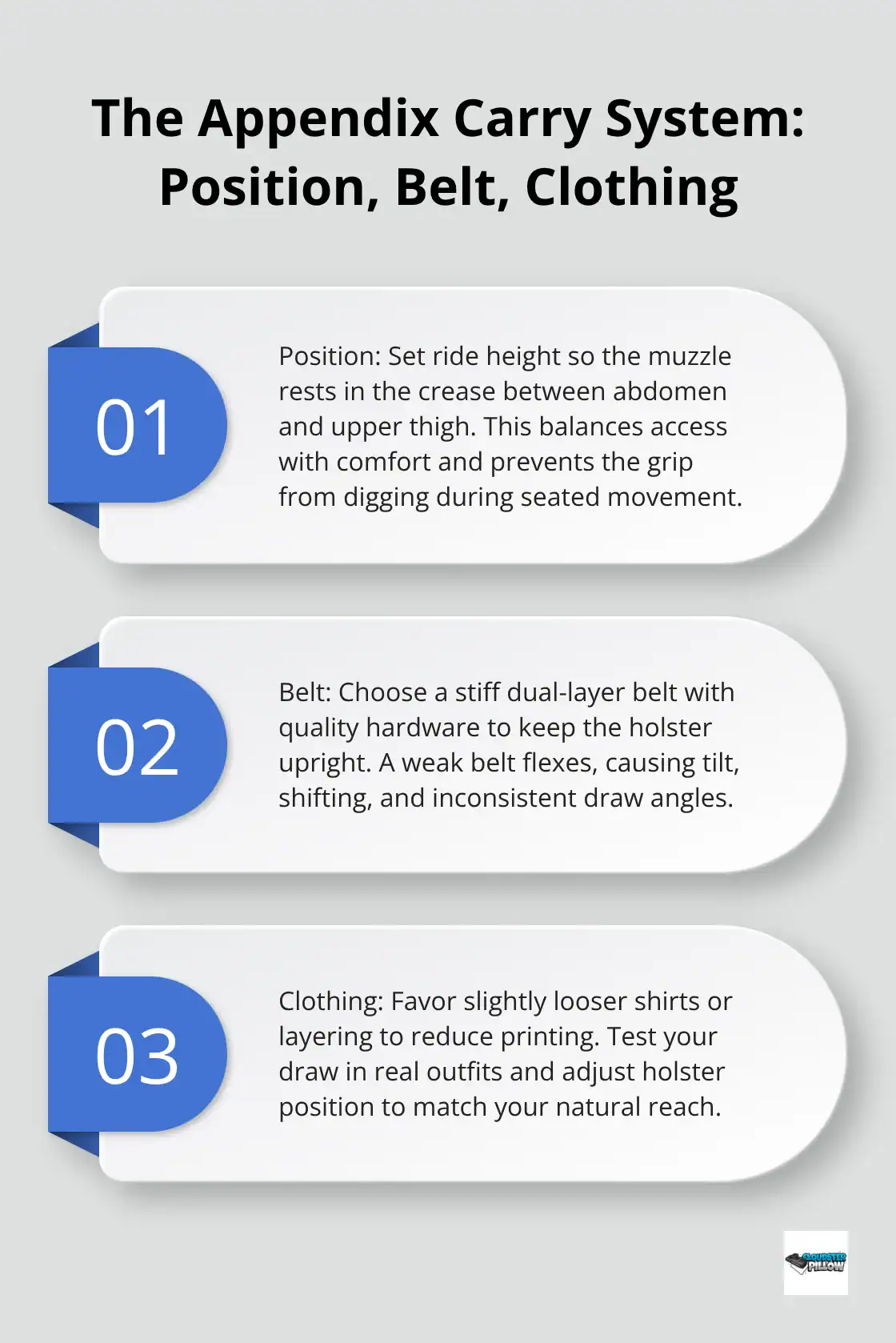
Your ride height determines everything else. Position the holster too low and sitting becomes unbearable; too high and your grip prints or catches on your leg during movement. Most carriers find the sweet spot when the muzzle sits in the crease between your abdomen and upper thigh, allowing natural access without the gun digging into your body.
The Belt Holds Everything Together
A stiff dual-layer belt with quality hardware-ideally leather or reinforced nylon with internal stiffeners-keeps the holster upright and prevents tilting under gravity. Cheap single-layer belts flex and twist, forcing you to constantly readjust your rig and creating inconsistent gun positioning that ruins both concealment and draw reliability. Invest in a belt rated for appendix carry; expect to spend $60 to $100 on something that actually holds weight.
Your holster’s belt clips matter equally. Discreet Carry Concepts MonoBlock clips and similar rigid designs grip your belt securely, preventing side-to-side movement during the draw stroke. Weak clips allow your holster to shift, creating friction against your body and unpredictable gun angles that invite printing.
Clothing Selection Determines Concealment Success
Clothing selection directly impacts concealment success and determines whether appendix carry works for your daily routine. Tight or form-fitting shirts eliminate any margin for error-the grip outline becomes visible regardless of holster quality. Untucked button-ups work better than you’d expect because fabric drapes naturally and moves with your body, but wind and bending expose rigs easily.
T-shirts in slightly larger sizes provide the best balance, offering coverage during normal movement while staying comfortable in warm weather. Layer when possible; an undershirt beneath a looser outer shirt creates distance between fabric and your gun, reducing printing dramatically.
Retention and Draw Speed Require Intentional Practice
Most appendix holsters use passive Kydex retention, relying on friction to hold your firearm without requiring a button or lever. This setup prioritizes speed-your draw becomes one fluid motion from concealment to target. However, passive retention demands a secure holster design and consistent practice.
Dry-fire drills for 10 to 15 minutes per session, three to five times per week build muscle memory so your draw becomes automatic, not something you think about. Test your draw in the clothing you actually wear; what works in a t-shirt might fail when wearing a jacket or sweater. Adjust your holster position slightly forward or backward until your grip aligns perfectly with your natural hand reach. This small adjustment transforms your draw from awkward and slow to fast and reliable.
Pressure Points Need Active Management
Even with perfect positioning and a quality belt, pressure points still emerge during extended wear. The grip digs into your abdomen when sitting, and the holster body creates hotspots along your hip. A holster wedge (foam insert) tilts the grip inward toward your body, reducing both printing and pressure concentration. Wedge Rx uses orthotic-grade foam with a skin-friendly exterior coating, making it comfortable against skin for long wear while maintaining its shape through repeated use. The asymmetrical design mirrors how most carriers prefer their rigs positioned, balancing concealment and comfort better than symmetrical alternatives. Installation takes minutes with included hook-and-loop fasteners, and the wedge retrofits onto any rigid IWB holster without requiring a new purchase.
Your appendix setup only works when all three elements align-position, belt, and clothing-functioning as a cohesive system tailored to your body and lifestyle. Once you nail this foundation, comfort solutions become the next logical step to eliminate remaining friction points and extend your carry time throughout the day.
Making All-Day Appendix Carry Actually Comfortable
Pressure Relief Transforms Your Daily Carry
The gap between a functional appendix setup and a genuinely comfortable one comes down to three practical interventions: targeted pressure relief, clothing that actually works with your rig, and deliberate practice that makes your draw automatic. Most carriers accept daily discomfort as the cost of front carry, but that’s unnecessary. Pressure points, moisture, and inconsistent draw mechanics compound throughout the day, turning what should be manageable into something you actively dread wearing.
Pressure relief starts with a holster wedge that actively reshapes how your rig sits against your body. A wedge uses orthotic-grade foam to tilt your grip inward, compressing the pressure zone from a sharp point into a distributed contact area. The asymmetrical design mirrors how most carriers naturally prefer their rigs positioned rather than forcing a symmetrical approach that works for nobody perfectly. The exterior uses hospital-grade skin-safe coating that resists sweat and stays comfortable during eight-plus hours of wear without degrading. Installation takes minutes with hook-and-loop fasteners, and it retrofits onto any rigid IWB holster, meaning you don’t scrap your existing setup to gain comfort.
Carriers dealing with muzzle hotspots, grip printing, or the gun tipping away from their body report immediate relief within the first day of use. The wedge costs significantly less than a new holster entirely, making it the highest-return comfort investment available. Sweat guards on your holster add another layer of protection in humid climates, preventing moisture from pooling between your skin and the Kydex material-a setup that accelerates rust and turns your firearm into a maintenance nightmare. If you live in warm regions or carry during physical activity regularly, sweat guards aren’t optional.
Clothing Strategy Determines Concealment Success
Clothing strategy determines whether your appendix rig stays concealed during normal movement or prints visibly under every shirt you own. Tight or form-fitting clothing eliminates all margin for error; the grip outline becomes visible no matter your holster quality. Untucked button-ups work better than expected because fabric drapes and moves naturally, but they fail instantly when you bend forward or wind catches your shirt.
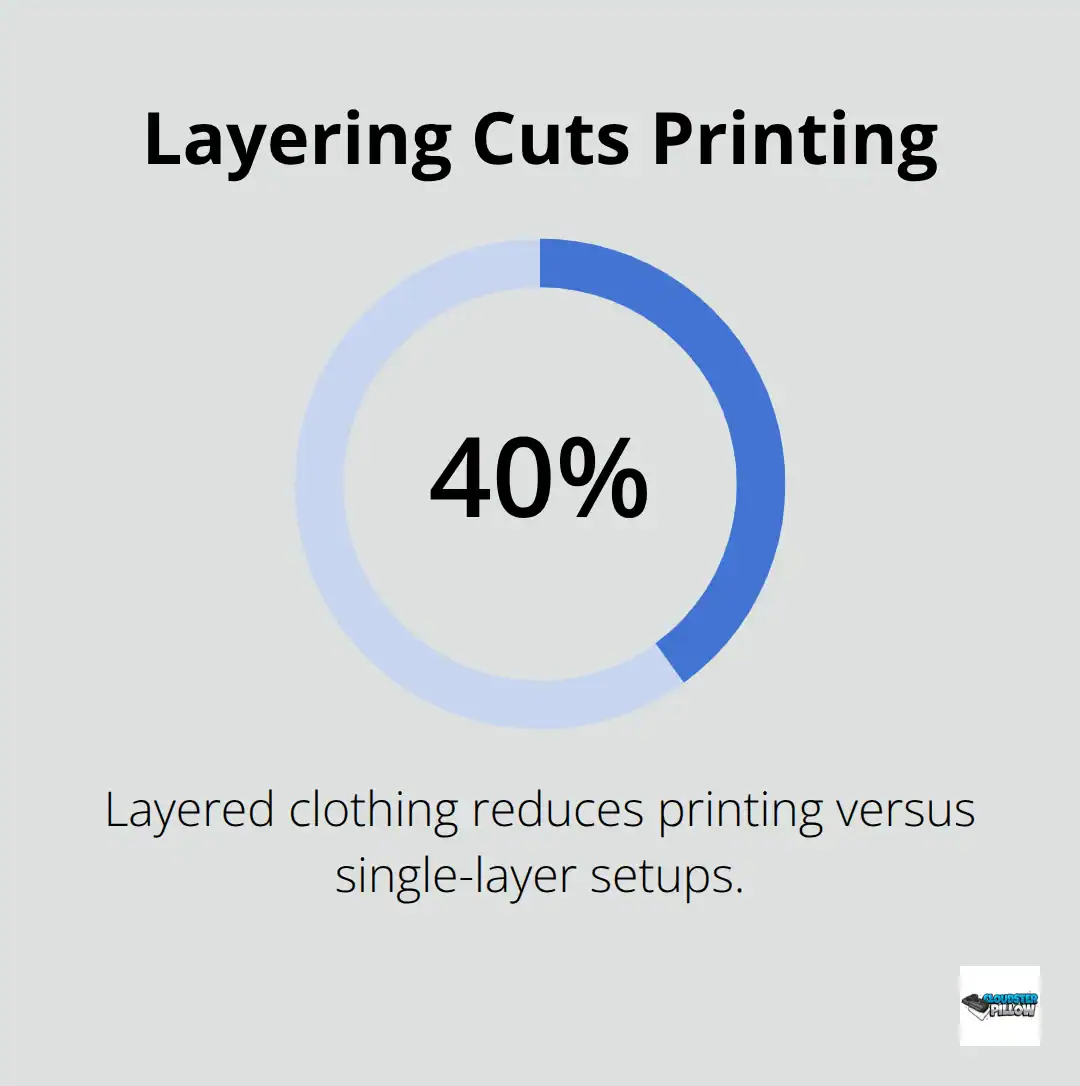
T-shirts in sizes one size larger than normal provide the practical sweet spot-they offer genuine coverage during sitting and bending while remaining comfortable in warm weather. The key is testing your actual draw in the clothing you’ll wear daily. A draw that works smoothly in a t-shirt might snag on a sweater or jacket, requiring minor holster adjustments forward or backward to match your natural hand reach. Layering multiplies your concealment options; an undershirt beneath a looser outer layer creates distance between fabric and your gun, which reduces printing compared to a single layer.
This matters because your clothing choices directly impact how often you adjust your rig throughout the day-constant repositioning creates friction, discomfort, and inconsistent gun positioning that ruins both concealment reliability and muscle memory.
Training Frequency Builds Automatic Responses
Training frequency determines whether your appendix draw becomes automatic or remains awkward and slow. Dry-fire practice for 10 minutes builds genuine muscle memory so your hand finds the grip without conscious thought. Most carriers underestimate how much their draw changes when wearing real clothing versus practice wear; a draw that feels fast in a t-shirt often fails when wearing a jacket because your grip angle shifts.
Test your draw in every type of clothing you actually carry in, then adjust your holster position slightly until the grip aligns perfectly with your natural reach. This single adjustment transforms your draw from frustratingly slow to genuinely fast. Consistency matters more than speed; a repeatable two-second draw beats an inconsistent 1.5-second draw every time because you’ll actually execute it under stress. Training also reveals comfort issues that static wear never shows-pressure points that feel fine standing become unbearable after 50 draw repetitions, signaling that your wedge size or holster position needs adjustment.
Final Thoughts
Appendix carry problems vanish when you stop treating comfort as optional and start building a system designed around how your body actually moves. The solutions in this guide address real friction points: pressure concentration, printing visibility, and inconsistent draw mechanics. Your setup only succeeds when position, belt quality, and clothing function together as one cohesive unit tailored to your body and daily routine.
Comfort improvements directly support consistent training because you’ll actually wear your rig long enough to build genuine muscle memory. A carrier who dreads putting on their holster trains sporadically and develops inconsistent draw mechanics, while a carrier who feels comfortable carrying all day trains regularly and develops automatic responses that work under stress. This distinction matters more than any gear specification because training frequency determines whether your appendix carry setup becomes reliable or remains a source of frustration.
Your appendix carry success depends on commitment to the process, not on having the most expensive gear. Build your foundation with a quality belt and proper positioning, add targeted pressure relief when needed (like a holster wedge), and train consistently in your actual carry clothing. We at Cloudster Pillow designed our wedge specifically for carriers dealing with appendix carry discomfort who want real solutions without replacing their entire rig-visit our holster wedge solutions to learn more about pressure relief designed by everyday CCW users who understand what real comfort means.
