
Carry Techniques and Optimization, Firearms Training
Training Tactics For Carriers: Sharpen Your Everyday Readiness
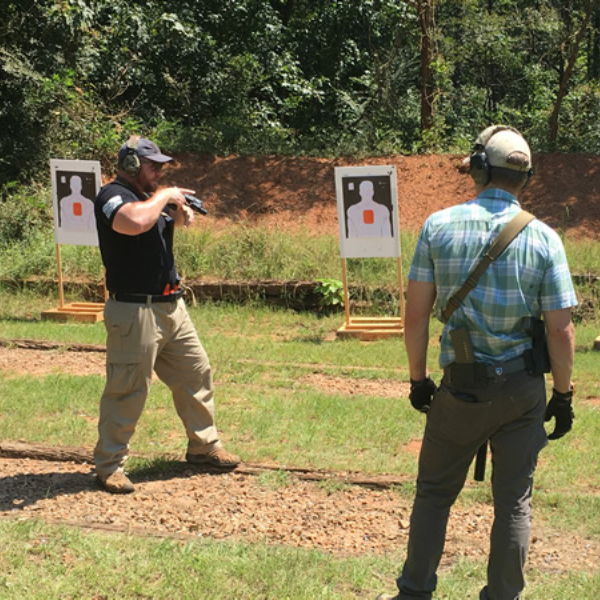
 Carrying a firearm daily means staying ready for anything. At Cloudster Pillow, we know that proper training tactics separate confident carriers from those who second-guess themselves.
This guide walks you through the drills, routines, and mental strategies that build real readiness. You’ll learn how consistent practice transforms your everyday carry from a responsibility into something you handle with genuine confidence.
How to Build a Training Schedule That Actually Sticks
Consistency beats intensity every single time. Most carriers train sporadically-a few rounds at the range when they remember, maybe a dry-fire session if they feel motivated. That approach leaves gaps in your skills that surface when you need them most. Real change happens when you treat training like a non-negotiable part of your week, not something you fit in between other obligations.
Establish Your Weekly Practice Rhythm
Start with one specific day and time each week for live-fire practice at your local range. Wednesday evenings work well for many carriers because the range stays less crowded and you can focus without distractions. Dry-fire practice should happen at home three to four times per week for 10-15 minutes each session. This requires no ammunition, range fees, or travel time-just you, an unloaded firearm, and your commitment.
The Dot Torture drill, created by David Blinder and popularized by Todd Green, delivers measurable results with minimal rounds. Fifty hits out of fifty shots on two-inch dots at three yards builds genuine competence. Track which drills you complete, how many rounds you fired, and your accuracy scores in a simple spreadsheet or notebook. This creates accountability and shows you exactly where improvement happens. After four weeks of consistent practice, your draw speed improves, your sight alignment becomes automatic, and stress scenarios feel less overwhelming because your fundamentals are solid.
Muscle Memory Through Targeted Repetition
Your nervous system learns through repetition, not through understanding theory. Dry-fire practice reinforces the mechanics of your draw, trigger control, and sight picture without the cost and travel of live ammunition. Practice your concealed draw from the same holster and garment you carry daily-appendix carry, inside-the-waistband, or shoulder carry-whatever matches your real-world setup.
The five-step draw (Get Ready, Grab It, Pull It, Rotate It, Extend It) becomes automatic only after you execute it hundreds of times. Slow practice builds the neural pathways; speed comes naturally once the movement is ingrained. Live-fire sessions at the range should focus on the drills that revealed weaknesses in your dry-fire work. If your controlled pairs show poor recoil management, dedicate range time to that specific skill. If weak-hand engagement struggles, shoot 20 rounds of weak-hand only at seven yards. This targeted approach means every round serves a purpose rather than just burning ammunition.
Set Concrete Benchmarks That Matter
Vague goals like becoming a better shot lead nowhere. Instead, commit to concrete benchmarks that tell you exactly when you’ve improved. The Mozambique drill-two shots to the chest, one to the head-at seven yards is a solid baseline. The El Presidente drill, twelve rounds across three targets at ten yards, should take around ten seconds. The 5×5 drill at ten yards uses 25 rounds across four strings and separates Grand Masters from beginners based on time.
Shoot these drills monthly and record your times to reveal genuine progress that motivation alone cannot measure. After three months of consistent training, you should see your times drop by 15-20 percent and your accuracy tighten noticeably. This measurable improvement builds real confidence because you have data instead of guesses about your abilities. Write your goals on paper: I will shoot the Dot Torture drill once weekly, I will dry-fire three times weekly, I will complete the Mozambique drill monthly and improve my time by one second each month. When you hit these targets, the discipline becomes self-reinforcing because you feel the results.
From Drills to Real-World Readiness
Your training schedule only matters if it translates to actual readiness when you carry. The drills you practice at home and the range must match the conditions you face in daily life-the same holster, the same clothing, the same stress levels as much as possible. This is where many carriers fail; they train in ideal conditions and then carry in real ones. Your consistent practice schedule builds the foundation, but the next step involves testing those skills under pressure and in low-light conditions where real threats actually occur.
Drills That Build Real Shooting Skills
The Collateral Drill: Speed Meets Accuracy
The Collateral drill strips away distractions and forces you to execute the fundamentals that matter most. This drill requires close-quarters, rapid engagement from retention position: two chest shots and one head shot across two targets, with a garment-defeat sequence and a fast swipe-to-draw, typically completed in around two to three seconds. Start at three yards and practice this drill monthly to measure your speed and accuracy together rather than separately. Most carriers underestimate how difficult it is to present a firearm accurately from concealment while managing a tight timeline. The Collateral drill exposes this weakness immediately.
After your first attempt, you will likely miss shots or fumble your draw. That failure is valuable data telling you exactly where to focus your dry-fire practice. Spend two weeks drilling the garment defeat and draw mechanics at home, then return to the range and shoot the Collateral drill again. Your time should drop noticeably and your accuracy should tighten. This cycle of identifying weakness, drilling at home, and testing at the range is how real improvement happens.
Movement Under Fire: Adding Variables to Your Training
Movement changes everything about your shooting accuracy and threat response. Most range training happens from a static position where you stand in one spot and shoot at paper. Real threats rarely cooperate with this setup. Practice moving laterally while maintaining sight alignment and trigger control, shooting two controlled shots, then moving again. Start at seven yards and move only five feet left or right between shooting positions.
Your accuracy will suffer initially because movement introduces variables your body has not trained for. This discomfort is exactly the point. After four weeks of movement-based practice once weekly, your ability to shoot accurately while repositioning improves dramatically. Add obstacles to your home dry-fire practice by moving around furniture while executing your draw and dry-fire sequences. This trains your brain to process spatial awareness and threat engagement simultaneously, preparing you for the chaotic conditions you may actually face.
Low-Light Training: The Reality Most Carriers Avoid
Low-light conditions demand even more specific training because your vision and depth perception degrade significantly in darkness. Train with a quality flashlight held in your support hand, using the Harries technique or the Rogers technique. Practice these techniques at least twice monthly in actual low-light environments, not just dimmed indoor ranges.
Your local range may offer low-light shooting events, or you can set up a safe training area in your backyard after sunset with proper safety protocols and a qualified instructor present. The stress of shooting in darkness while managing a flashlight, locating a target, and controlling recoil reveals gaps in your fundamentals that daylight training never exposes. These practical drills separate carriers who train realistically from those who only practice ideal conditions. The next step involves testing your mental readiness-how you think and decide when pressure mounts and adrenaline floods your system.
Mental Readiness and Situational Awareness
Threat Recognition Starts with Observation
Threat recognition is not about paranoia or seeing danger everywhere. It is about noticing patterns in human behavior and environmental conditions that signal actual risk, then deciding whether a response is necessary.
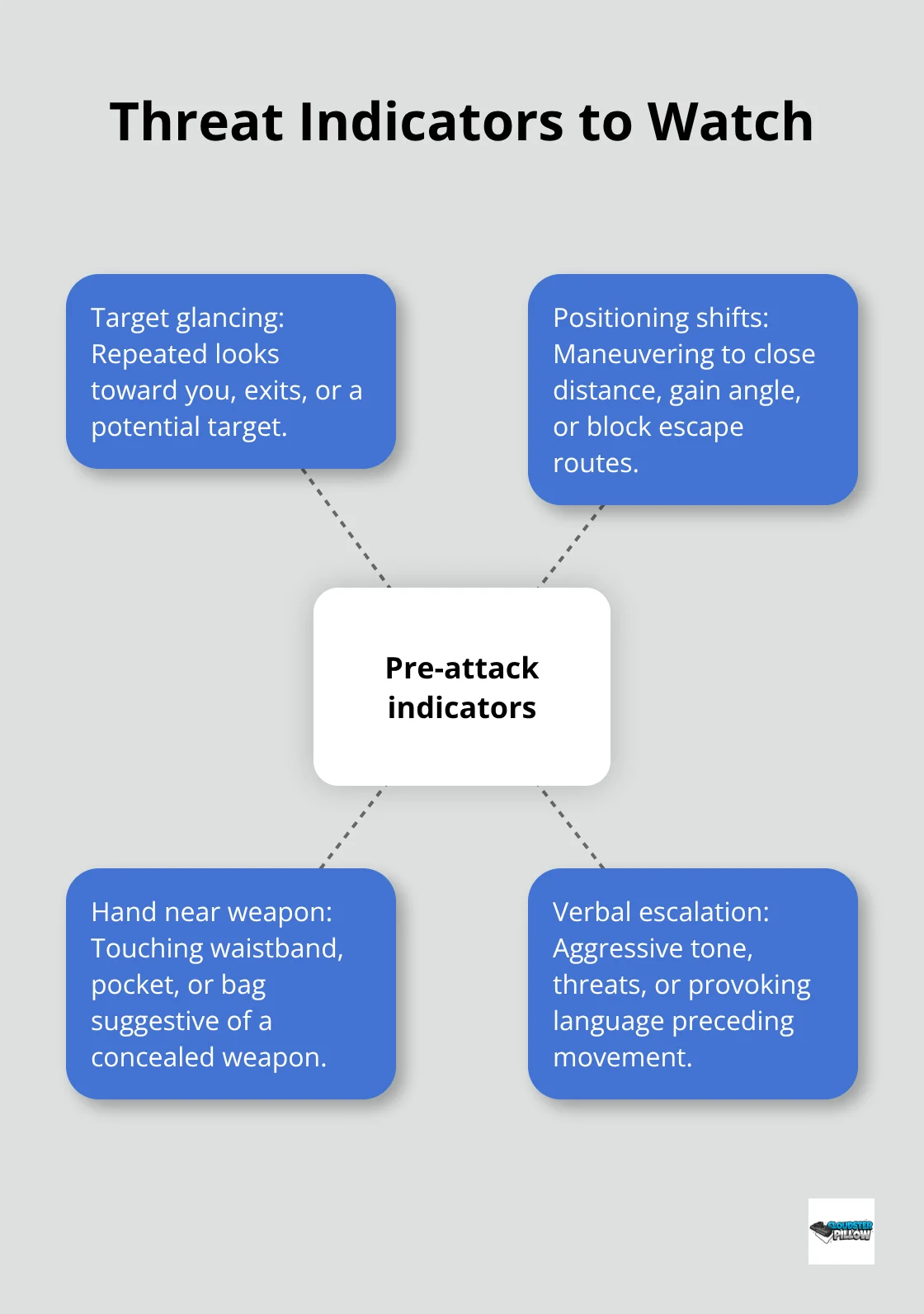
Most carriers spend hundreds of hours at the range but almost no time training their brain to spot the warning signs that precede violence. Threat recognition and pre-attack indicators show that predatory attacks rarely happen without observable warning signs. Attackers typically display target glancing, positioning shifts, hand placement near weapons, and verbal escalation before physical aggression begins.
Training yourself to notice these specific behaviors takes deliberate practice, not instinct. Spend time observing people in public spaces and identify what normal behavior looks like in different settings. A person standing still in a convenience store for three minutes while watching the entrance behaves differently than someone walking to the counter. A person with their hand near their waistband while maintaining eye contact with you exhibits a different pattern than someone scrolling through their phone. These observations become automatic after conscious practice, similar to how your draw becomes automatic after dry-fire repetition.
Build Your Observation Habit
Situational awareness training happens in your daily life, not at the range. Dedicate one week each month to sitting in a coffee shop or park for 20 minutes and simply observing people. Write down what you notice about their positioning, hand placement, eye movement, and verbal tone. This trains your brain to process threat indicators faster when they actually matter.
Decision-Making Under Real Pressure
Decision-making under pressure deteriorates rapidly if you have not practiced it beforehand. Your cognitive load increases dramatically when adrenaline floods your system, which means complex decisions become impossible in real emergencies. The solution is to train your decision-making process through scenario-based drills where you must identify a threat, decide whether force is appropriate, and execute your response within seconds.
GoRuck events and force-on-force training classes force you to make decisions while fatigued and stressed, which mirrors actual emergency conditions far better than static range shooting. If you cannot access formal force-on-force training, create scenario-based dry-fire drills at home where you imagine specific situations and practice your response. Imagine a person approaching you aggressively at a gas pump. Walk through your decision tree: Is retreat possible? Do you have time to draw? What is your verbal de-escalation statement?
Mental Rehearsal Builds Real Confidence
Only after you have mentally rehearsed these decisions dozens of times will your brain execute them quickly when real pressure arrives. Confidence develops through this repetition of realistic scenarios, not through believing you are naturally fast or accurate. After you complete your monthly drills and your low-light training sessions, add one scenario-based decision drill per week where you stand in your carry position, imagine a specific threat situation, and execute your complete response from recognition through presentation.
Your confidence will rest on actual training data rather than hope. This mental readiness separates carriers who train realistically from those who only practice ideal conditions. The stress of executing decisions while fatigued and under time pressure reveals gaps in your fundamentals that comfortable range sessions never expose. These practical drills transform your everyday carry from a responsibility into something you handle with genuine confidence. When you combine this mental preparation with proper equipment like the Cloudster Pillow holster wedge at https://cloudsterpillow.com/holster-wedge/, you gain both the mindset and comfort needed for consistent, confident carry.
Final Thoughts
Training tactics for carriers work because they build real skills through repetition, not wishful thinking. The drills you practice at home and the range create neural pathways that fire automatically when pressure arrives. Your consistent schedule transforms scattered effort into measurable improvement, and after three months of weekly live-fire sessions and regular dry-fire practice, your draw speed tightens, your accuracy improves, and your confidence rests on actual data rather than hope.
The mental readiness you develop through scenario-based training separates carriers who execute under stress from those who freeze. When you combine this training foundation with proper equipment, your everyday carry becomes genuinely comfortable, and we at Cloudster Pillow understand that training alone is only half the equation-a holster that prints through your shirt or digs into your ribs during a four-hour shift undermines your confidence and disrupts your focus. The Cloudster Pillow holster wedge enhances all-day concealment for AIWB and IWB holsters, letting you concentrate on your training and readiness instead of adjusting your gear.
Pick one drill from this guide and commit to it this week. Shoot the Dot Torture drill at your local range, or practice your concealed draw at home three times this week, then write down your baseline performance and repeat the same drill monthly to track improvement. After 30 days of consistent practice, you will feel the difference in your speed and accuracy, and after 90 days, your confidence will rest on genuine skill rather than assumption.
