
CCW Training, Firearms Training
What to Expect in Your First Concealed Carry Class
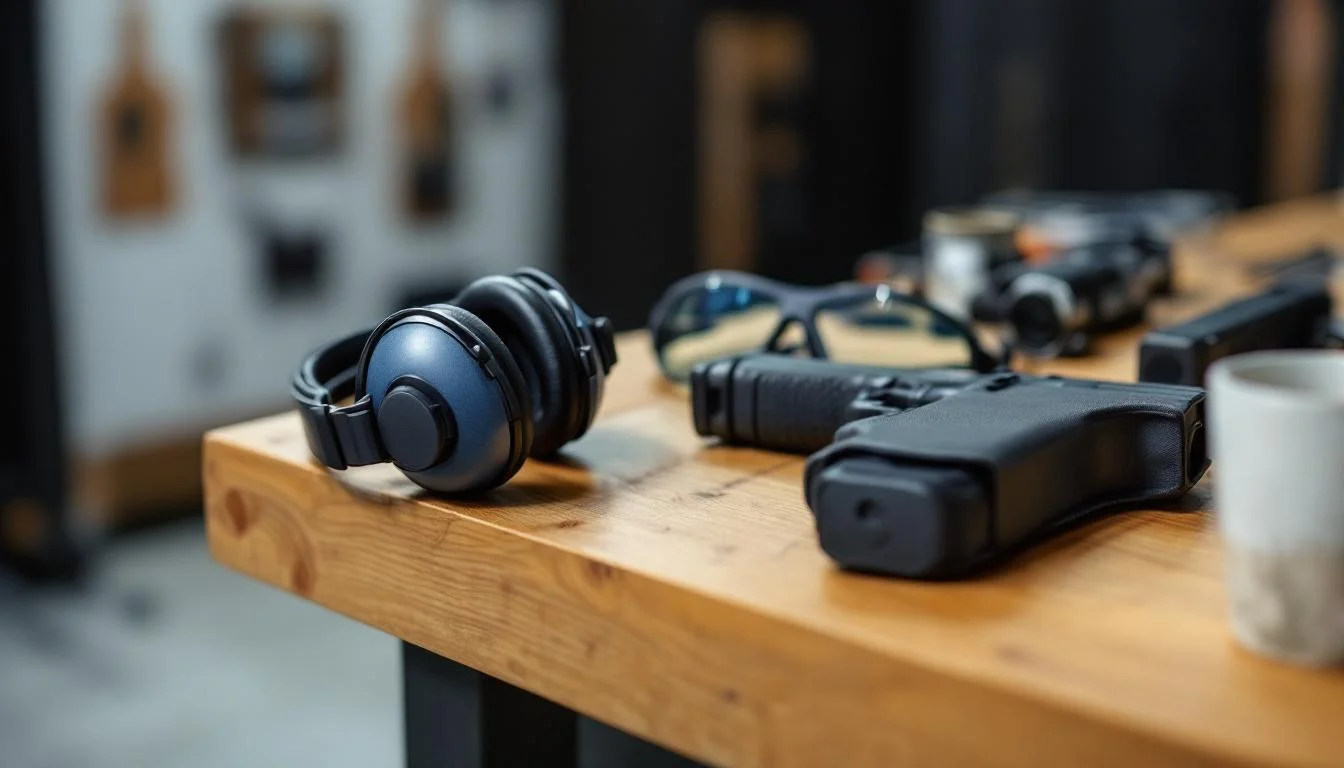
Your first concealed carry class marks the beginning of your journey as a responsible armed citizen. Most new students feel nervous about what lies ahead in their concealed carry class.
We at Cloudster Pillow understand that preparation makes all the difference. This comprehensive guide walks you through exactly what happens during your first CCW training session, from classroom instruction to range time.
Preparing for your concealed carry class is essential to ensure you gain the most from the experience.
What Core Skills Will You Master
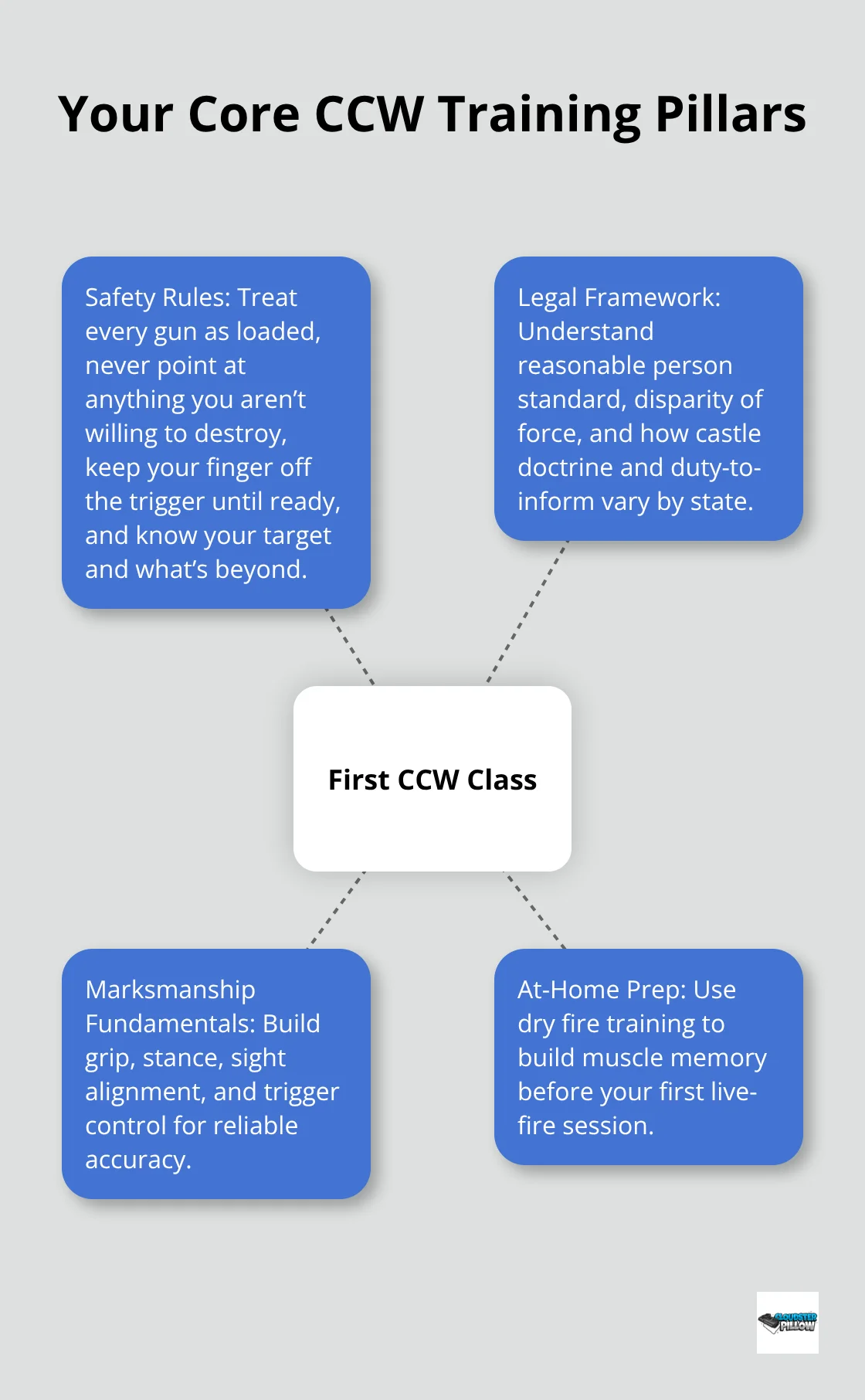
Your instructor begins with the four fundamental safety rules that govern every moment you handle a firearm. These rules form the foundation of everything else you learn. You practice treating every firearm as loaded, never pointing the muzzle at anything you don’t intend to destroy, keeping your finger off the trigger until ready to shoot, and knowing your target and what lies beyond it.
Legal Framework and Use of Force
The legal portion covers when you can legally use deadly force for self-defense. Most states follow the reasonable person standard, meaning your actions must match what a reasonable person would do in the same situation. You learn about the legal concept of disparity of force, which allows smaller individuals to use firearms against larger attackers. Castle Doctrine laws vary significantly between states. Your instructor explains your state’s specific retreat requirements and duty to inform laws during police encounters.
Marksmanship and Handling Fundamentals
Range instruction focuses on grip, stance, sight alignment, and trigger control. The Weaver stance and isosceles stance each offer distinct advantages for different body types and shooting scenarios. You fire between 50 and 100 rounds during most classes, with instructors requiring groups within a 6-inch circle at seven yards for certification. Proper trigger finger placement prevents shots from pulling left or right, while consistent sight picture maintains accuracy. Most students struggle initially with anticipating recoil (causing them to jerk the trigger and miss low).
Understanding the fundamentals before attending your concealed carry class can significantly enhance your learning experience.
These foundational skills prepare you for the practical aspects of class day, but success depends heavily on what you bring and how you prepare beforehand. Dry fire training at home helps build muscle memory before your first live-fire session.
Essential Gear and Preparation for Your Concealed Carry Class
Your driver’s license or state-issued ID serves as primary identification, but most instructors also require proof of residency like a utility bill dated within 30 days. Colorado residents must show documentation that proves legal residence status, while military personnel need orders or a military ID. The application fee ranges from $75 to $150 depending on your county, with cash or money orders preferred by most sheriff’s offices. Training certificates remain valid for only one year in Colorado, so you must time your class carefully.
Documentation and Paperwork Requirements
Gather all required documents at least one week before class to avoid last-minute stress. Some counties require additional forms beyond the standard application, and processing delays can push back your permit timeline by weeks. Military veterans should bring their DD-214 form as proof of firearms competency, which can substitute for live-fire requirements in certain states. Check with your instructor about specific county requirements, as some areas have unique documentation needs that catch students off guard.
In addition to paperwork, consider what gear you will need for your concealed carry class.
Appropriate Clothing and Safety Equipment
Closed-toe shoes with good grip are crucial for your safety during the concealed carry class, preventing slips on brass casings that cover most indoor range floors.
Range Equipment and Ammunition Needs
Quality eye protection that meets ANSI Z87.1 standards protects against ricochets and debris that cheaper glasses cannot stop. Electronic hearing protection allows you to hear range commands while it blocks harmful noise levels above 85 decibels. Most classes require 50 to 100 rounds of factory ammunition in your chosen caliber (with hollow-point rounds prohibited during training due to range rules).
Bring quality gear specifically suited for your concealed carry class, which will enhance your comfort and performance.
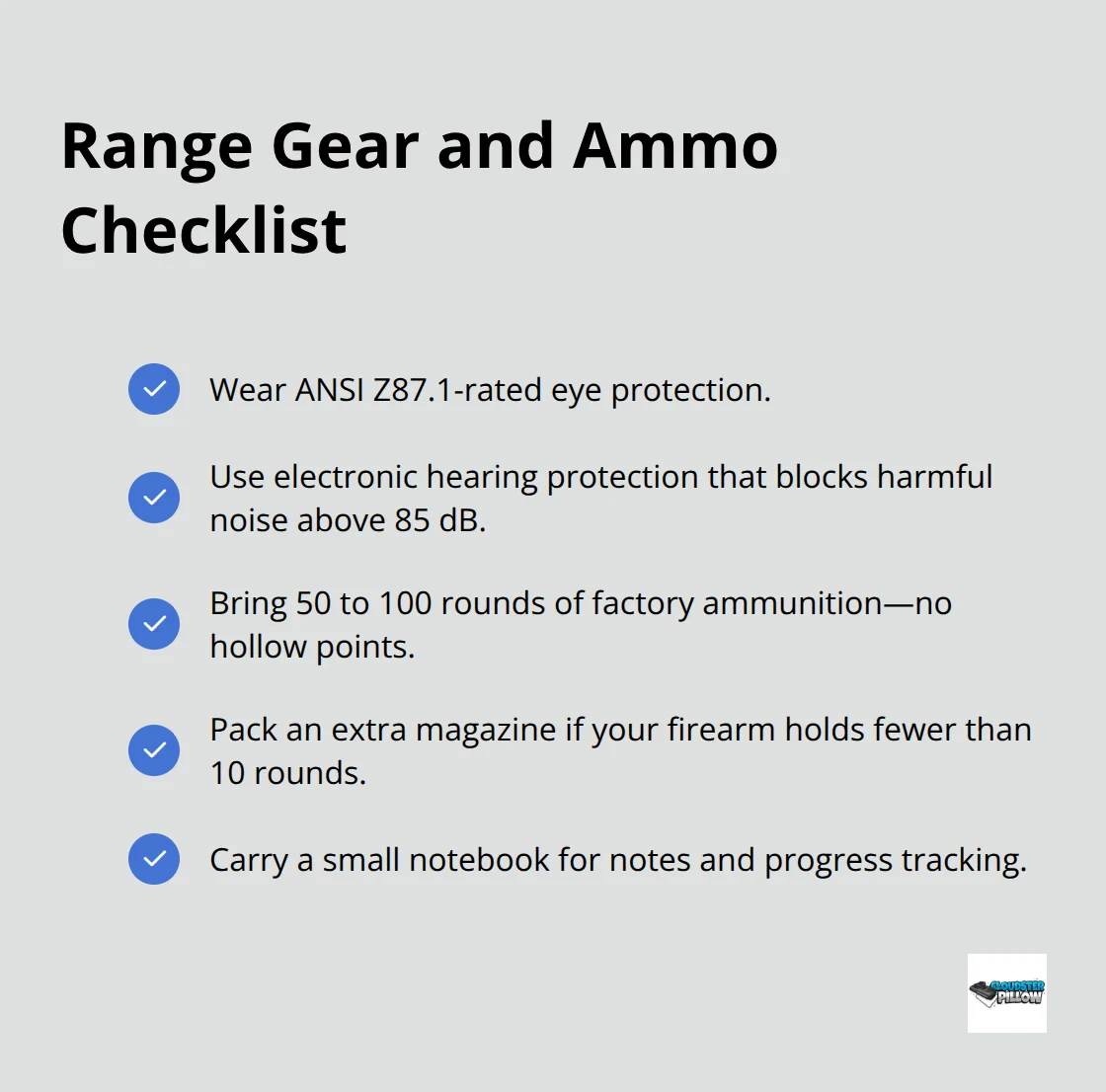
Bring an additional magazine if your firearm holds fewer than 10 rounds, as some drills require continuous fire. A small notebook helps you track progress and record important legal information your instructor covers during the classroom portion.
Ensure you have adequate supplies, especially if you’re attending a concealed carry class, as some drills require additional resources.
These preparation steps set you up for success, but even well-prepared students face common challenges that can affect their performance and confidence during the concealed carry course.
Common Challenges New Students Face
Understanding the common challenges faced during a concealed carry class will help you prepare mentally.
First-time students often underestimate how their hands will shake during live-fire exercises. Your heart rate jumps significantly above normal when you step up to the firing line, according to stress response research. This physiological reaction affects many new shooters and directly impacts accuracy. Combat breathing techniques help manage this response: inhale for four counts, hold for four, exhale for four, and pause for four before repeating. Practice this breathing pattern daily for two weeks before your class to build muscle memory.
Managing Range Performance Pressure
Most instructors require groups within a 6-inch circle at seven yards for certification, but nervous students often shoot 12-inch groups or larger during their first attempts. The key lies in accepting that your first shots will probably miss the target completely. Focus on consistent trigger press rather than perfect accuracy. Experienced instructors know that many new students need three to five attempts before they pass the shooting qualification. Take your time between shots and reset your stance after each round. The student who rushes through 50 rounds in 10 minutes always performs worse than the one who takes 30 minutes with deliberate practice.
Understanding Legal Concepts and Scenarios
Legal terminology trips up most students because instructors use phrases like reasonable person standard, disparity of force, and castle doctrine without explaining them in plain English. Reasonable person standard means your actions must match what any sensible person would do in your exact situation. Disparity of force allows you to use a firearm against an unarmed attacker if they significantly outweigh you, outnumber you, or have special combat training. Write down these definitions during class because you need them for the written exam.
Many students find it beneficial to review legal concepts that may be covered in their concealed carry class.
Developing Proper Shooting Mechanics
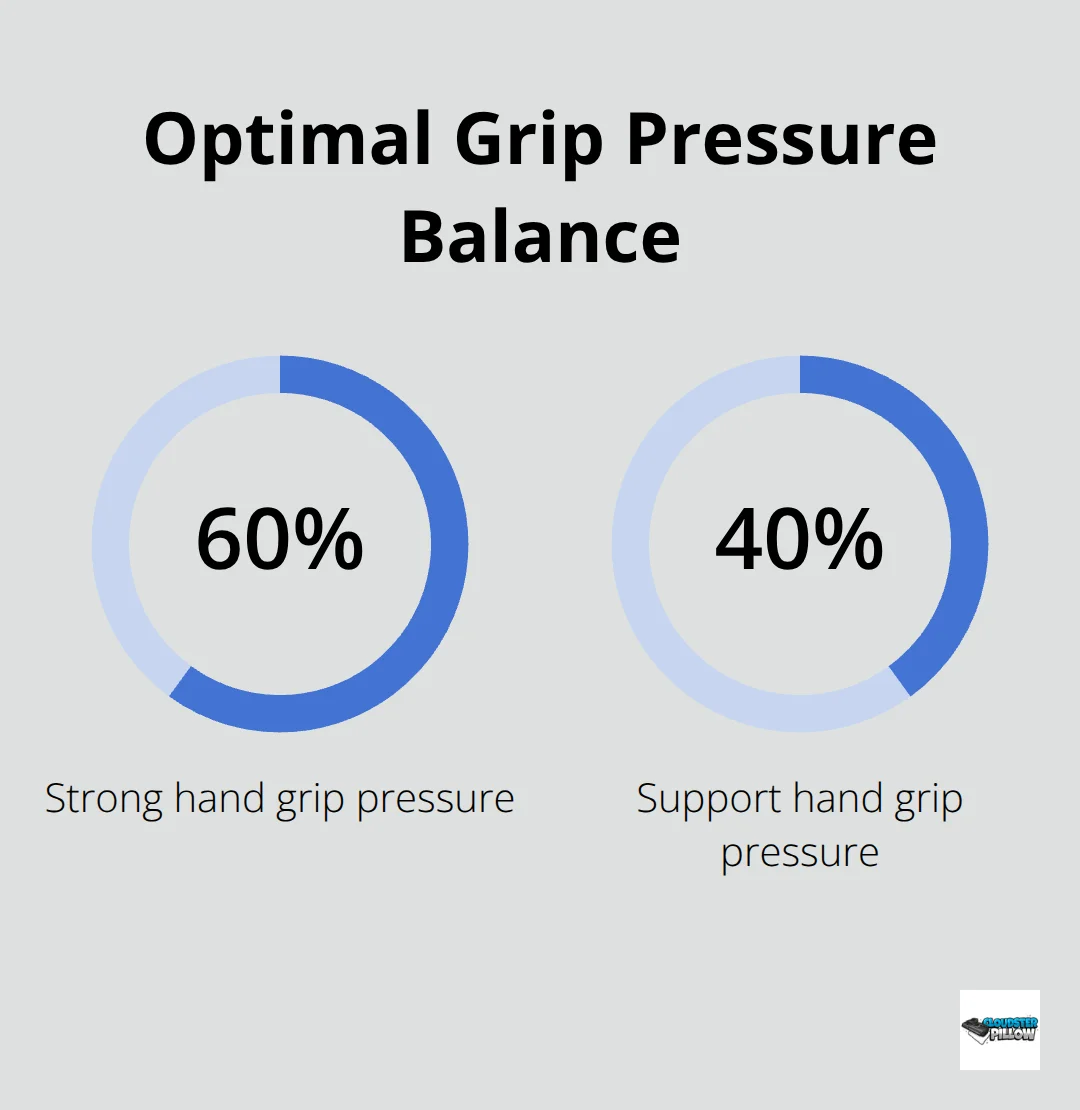
Most new students grip their firearm too loosely or place their support hand incorrectly, which causes shots to scatter across the target. Your strong hand should apply 60% of the grip pressure while your support hand provides the remaining 40%. Trigger finger placement matters more than most students realize-the pad of your index finger should contact the trigger, not the joint.
Students who use too much finger often pull shots to the left (for right-handed shooters). Stance consistency proves difficult when adrenaline kicks in, but the isosceles stance works better for most beginners because it feels more natural than the Weaver stance. Many students also struggle with concealed carry positions and the challenges of retention and re-holstering safely.
Final Thoughts
Your first concealed carry class provides the foundation for responsible armed citizenship, but graduation marks just the beginning of your journey in concealed carry.
Schedule monthly range visits to maintain your skills and build confidence with your firearm. Many students benefit from advanced courses that cover low-light scenarios, stress fire drills, and tactical reload techniques. Join a local club where experienced carriers share practical advice about gear selection and carry methods.
The transition from classroom to daily carry after your concealed carry class presents new challenges that need addressing.
After your concealed carry class, ongoing practice and commitment will strengthen your skills.
