EDC Gear
Daily Readiness Gear Ideas for Calm, Confident Carry
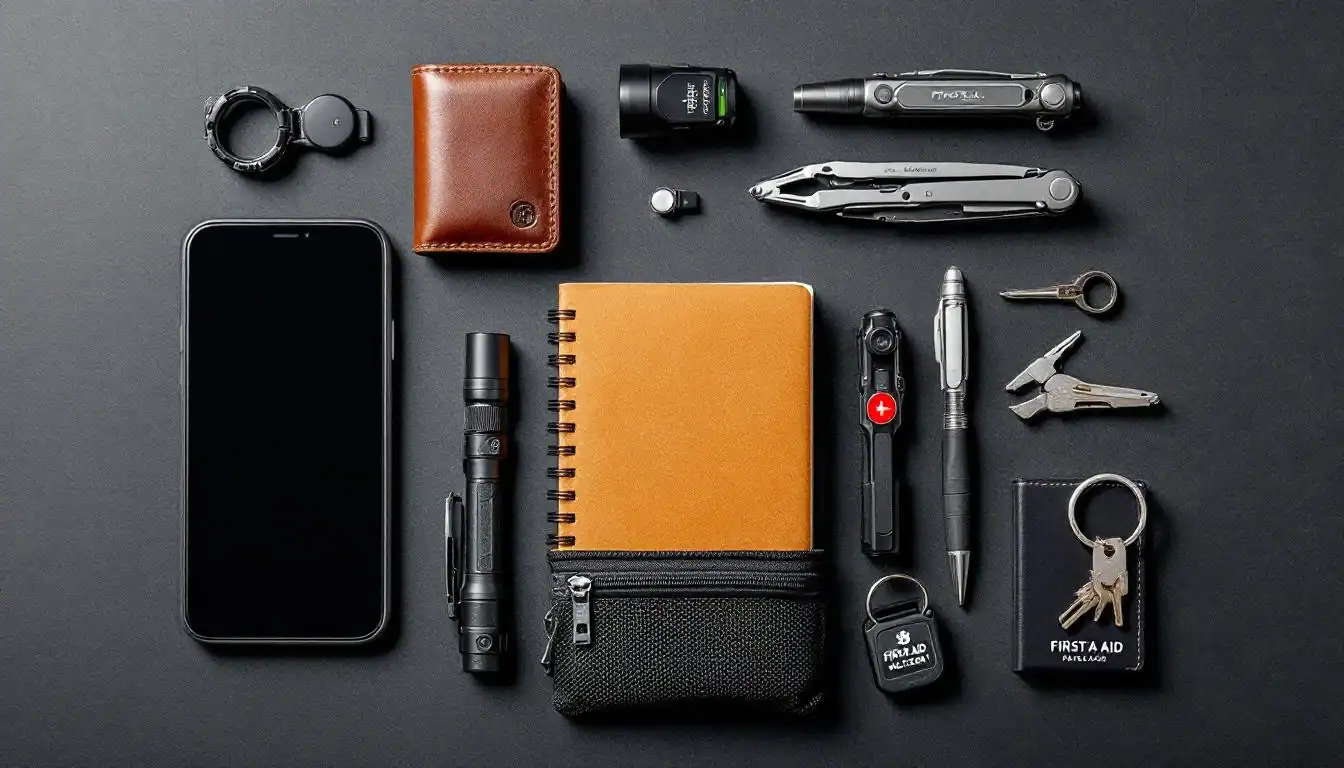
Carrying a firearm every day means more than just strapping on a holster. It requires the right gear, solid training habits, and a mindset built on preparedness.
We at Cloudster Pillow know that daily readiness gear ideas go beyond your weapon-they’re about creating a complete system that keeps you calm and confident throughout your day. When your setup works seamlessly, you can focus on what matters most.
What Gear Rounds Out Your Daily Carry System
The Flashlight: Your Most Practical Addition
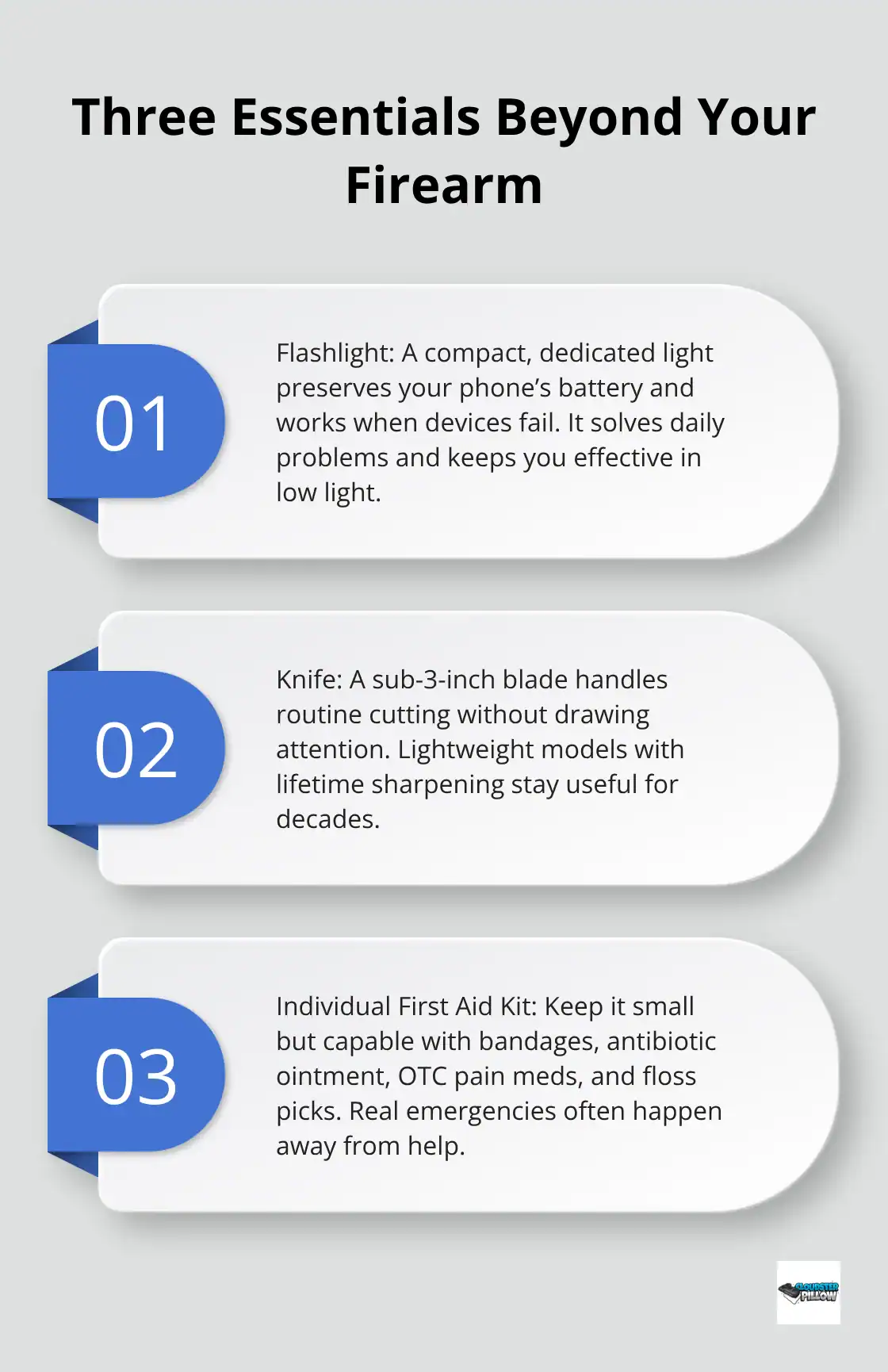
Your firearm and holster form the foundation, but three additional tools separate casual carriers from those genuinely prepared for emergencies. A dedicated flashlight should be your first addition because your phone’s light drains battery fast and won’t function if your device dies. The Streamlight Microstream delivers 250 lumens in a pocket-sized package weighing just 2.2 ounces, with both white and UV modes for finding small parts or checking watch lume during power outages. Many carriers skip this step and regret it during actual emergencies when their phone is dead or their hands are full.
The Knife: Compact and Legal
A quality knife under 3 inches handles daily cutting tasks without legal complications in most jurisdictions, and models like the Benchmade Bugout Mini or Spyderco Para 3 Lightweight offer lifetime sharpening services that keep your blade effective for decades. These compact knives fit naturally into pocket carry or pack systems without adding significant bulk or weight. The right blade solves problems you encounter regularly-opening packages, cutting rope, or handling unexpected situations-without drawing attention or creating legal risk.
The First Aid Kit: Real Medical Readiness
Your first aid kit should be small enough to carry daily but comprehensive enough for real situations. Include bandages, antibiotic ointment like Neosporin, over-the-counter pain medication, and floss picks for debris removal from wounds. An Individual First Aid Kit fits easily in a cargo pocket and addresses the reality that most medical emergencies happen away from help, not during dramatic gunfights.
Building Your Ecosystem Gradually
Adding each piece gradually beats overwhelming yourself with purchases. Start with whichever tool you’ll actually use most often-many carriers find the flashlight makes the biggest immediate impact because it solves problems daily, not just during emergencies. Your gear choices should align with how you dress and move through your environment. If you wear tight shirts, every additional item matters for concealment, and comfort solutions address a real problem: they reduce printing without forcing you to buy new holsters or change your carry position. Comfort drives consistency, and consistency drives readiness. The carriers who maintain their practice routines and stay prepared are those whose setups feel natural enough to forget about after the first week of carry. Once your gear ecosystem functions smoothly, your attention shifts to the training and mindset that separate prepared carriers from those who simply own a gun.
How to Build a Preparedness Mindset That Actually Works
Practice Creates Automatic Responses
Gear sits idle without the mental framework to use it effectively. The carriers who stay calm under pressure build competence through deliberate practice and situational awareness habits that become automatic. Regular dry-fire practice at home rewires your nervous system so your hands know what to do before your brain catches up. Spend fifteen minutes twice weekly practicing your draw from your holster, target acquisition, and reset, focusing on consistency over speed. This repetition creates muscle memory that functions even when adrenaline spikes your heart rate and narrows your vision.
Train for Real Scenarios, Not Fantasies
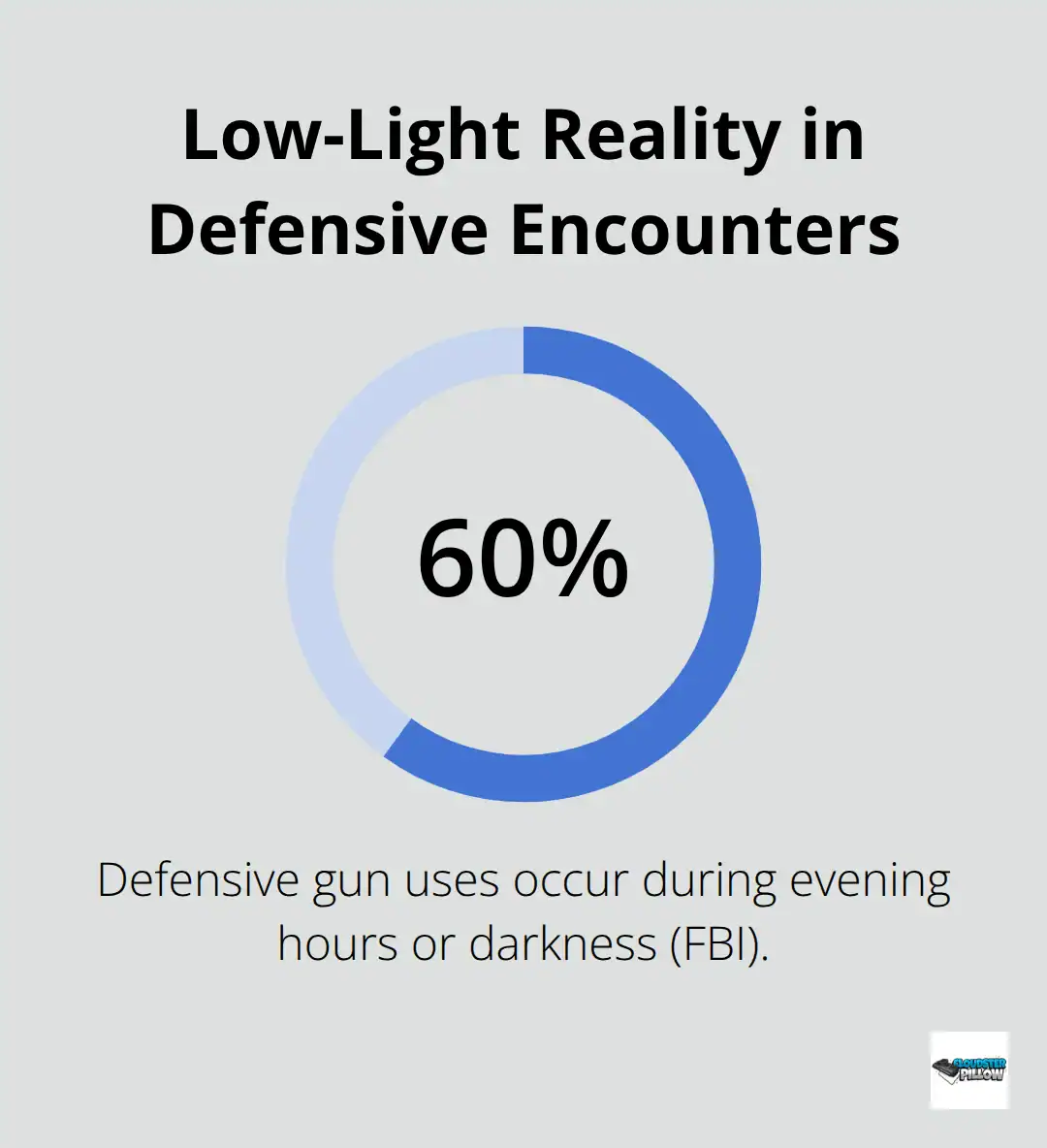
Real training means identifying the specific scenarios you’ll actually face, not imaginary tactical situations. If you carry in urban environments, practice drawing and engaging targets at close distances-three to seven yards-where most self-defense incidents occur. If you have a family, practice retrieving your firearm while protecting them, which changes your movement and positioning entirely. Many carriers neglect low-light training, yet the FBI reports that approximately 60 percent of defensive gun uses happen during evening hours or darkness. Add a flashlight to your practice routine and train drawing while holding illumination in your support hand, since your dominant hand manages the gun.
Know Your Legal Boundaries Before You Need Them
Mental clarity under stress separates those who freeze from those who act decisively. This comes from understanding your legal and ethical boundaries before you need them, not deciding your limits in the moment. Know your state’s self-defense laws, your duty to retreat if applicable, and when force becomes legally justified. Carriers with this knowledge stored in long-term memory make faster decisions because they’re not second-guessing themselves.
Situational Awareness Stops Threats Before They Start
Situational awareness isn’t paranoia-it’s noticing the baseline of your environment and detecting when something changes. Identify exits whenever you enter a location, notice who’s around you, and recognize pre-attack indicators like someone scanning the room or positioning themselves strategically. Most attackers spend seconds positioning themselves before committing to violence, and those seconds of warning give you time to move, create distance, or prepare your response. This awareness becomes easier when your gear doesn’t demand constant adjustment or distract you with discomfort. A quality holster and support items like a holster wedge eliminate fidgeting and keep your attention on your surroundings instead of whether your gun is printing or your holster is shifting.
Your mindset and training create the foundation for everything that follows. Comfort solutions amplify this readiness by removing the physical distractions that pull your focus away from what matters most.
The Real Comfort Problem That Kills Consistency
Discomfort kills carry consistency faster than any other factor. A carrier with the best training and sharpest mindset abandons their firearm if wearing it feels miserable by noon, and this is where most carriers fail without realizing it.
Weight Distribution Determines Your Success
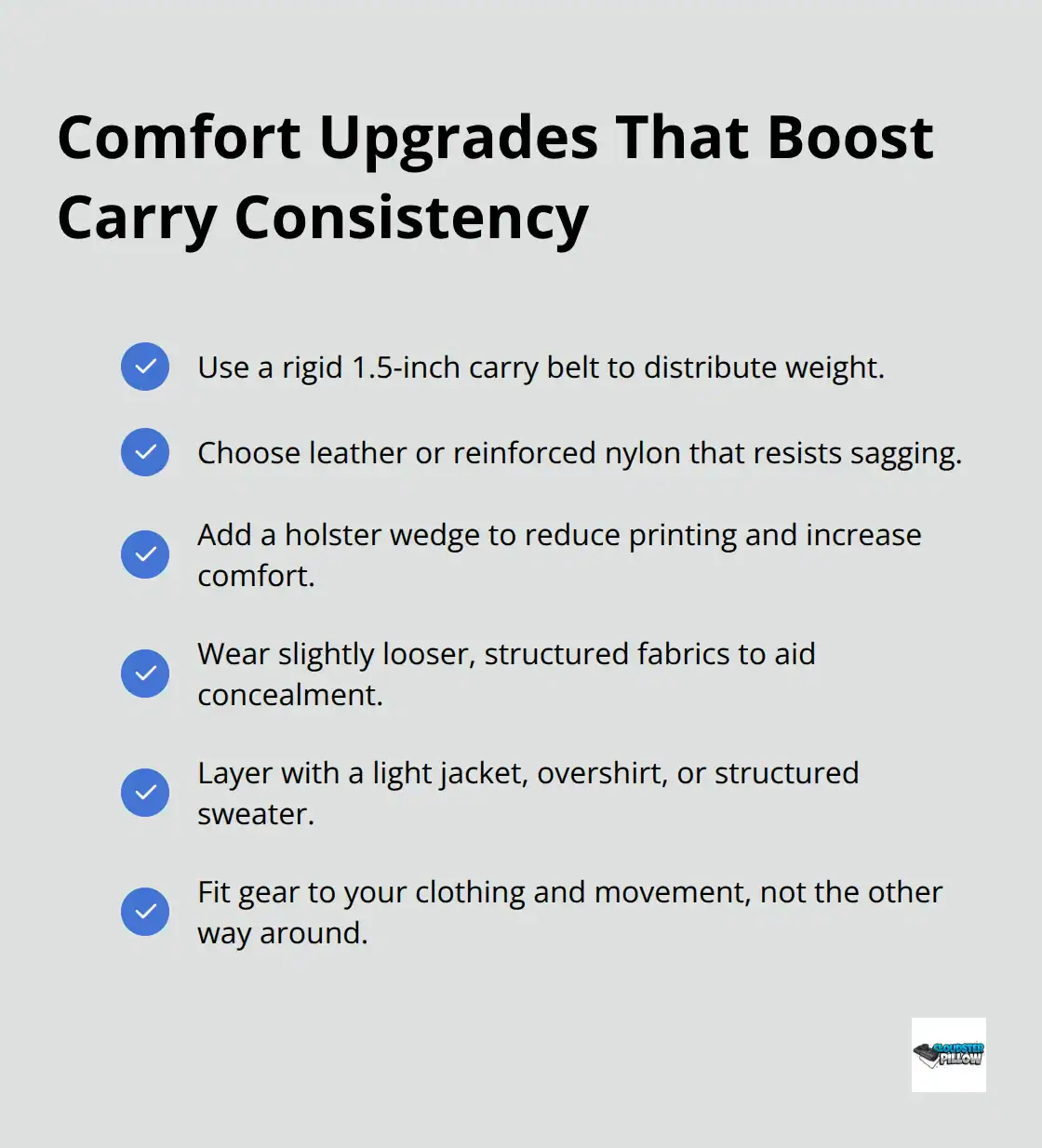
The weight distribution problem starts immediately-a typical compact 9mm weighs 18 to 22 ounces, and without proper support, that weight concentrates on a small section of your waistband, creating pressure points that dig into your hip or ribs depending on your carry position. A quality belt rated for gun carry distributes this load across your entire waist rather than concentrating stress on a narrow band. Look for belts specifically designed for concealed carry, typically 1.5 inches wide with rigid construction that prevents sagging. Leather and reinforced nylon both work, but the belt must hold its shape under sustained weight without rolling or twisting. Most carriers waste money on regular belts that flex under pressure, then blame their holster for discomfort when the real problem is inadequate support underneath. Your belt is the foundation-get this wrong and no holster adjustment fixes the problem.
Printing Reveals What You Want Hidden
The second major comfort killer is printing, the visible outline of your firearm under your shirt. This happens when your holster sits too far from your body or your waistband gap creates space between your hip and the gun. A holster wedge eliminates this problem by filling the gap between your body and the holster, pushing the grip inward so the gun sits flush against your ribs. Most carriers wear slightly loose clothing anyway-a wedge lets you wear what you already own while improving both concealment and comfort.
Clothing Choices Matter More Than Most Realize
Your clothing selections matter more than most carriers realize. Tight shirts force you to carry smaller guns or compromise your position, while slightly looser garments in structured fabrics work better for all-day carry. Avoid thin cotton that clings to your body; instead try thicker materials like Merino wool blends or structured cotton that drape naturally without hugging your waistline. Layering adds concealment without bulk-a light jacket, unbuttoned overshirt, or even a structured sweater creates distance between your body and onlookers while adding negligible weight. The most successful daily carriers dress for their setup rather than forcing their setup into unsuitable clothing, and this single choice determines whether they carry consistently or leave their gun at home on difficult days.
Final Thoughts
Daily readiness gear ideas work only when three elements function together: the physical tools you carry, the training habits you practice, and the mental framework you build. Gear without training sits unused when pressure arrives. Training without comfortable gear gets abandoned because carrying feels miserable. Mindset without either becomes wishful thinking.
Start small and build momentum. Pick one upgrade that addresses your biggest frustration right now. If printing bothers you, add a holster wedge that fills the gap between your body and holster, pushing the grip inward for better concealment and comfort. If your belt rolls under weight, invest in a rigid carry belt that distributes load evenly across your waist.
Small comfort improvements drive consistency more than any other factor. The carrier who stays armed all day owns a setup that doesn’t demand constant adjustment or create pressure points by afternoon. We at Cloudster Pillow built our holster wedge specifically for everyday carriers who want better concealment and comfort without replacing their entire holster system.