
EDC Gear
EDC Dump Trays: 9 Critical Ways to Eliminate the Fumble Factor for Low-Light Readiness
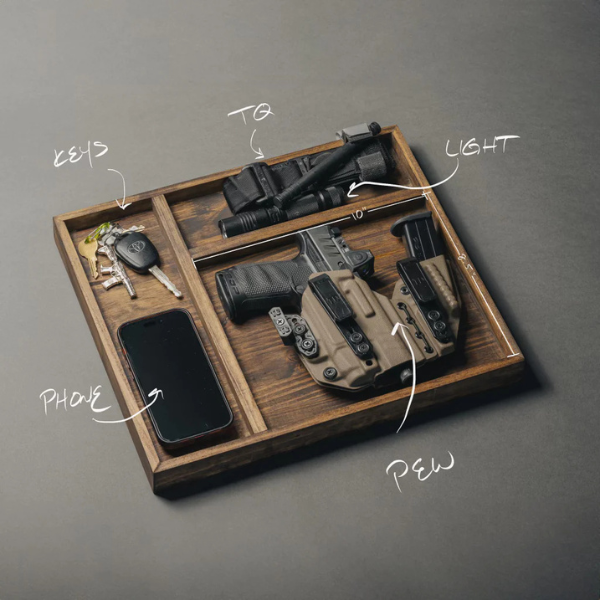
EDC Dump Trays: 9 Critical Ways to Eliminate the Fumble Factor for Low-Light Readiness
Make Your Nightstand a “Ready-State” Station
Upgrade comfort and control with Cloudster Pillow—trusted by everyday carriers who want safer routines, better concealment, and fewer pain points.

What a “Sleepy Gun” Setup Really Means
It’s 2:00 AM. You wake up disoriented. Your vision is soft, your heart is pounding, and your brain is still in low power mode. In that moment, you don’t rise into a perfect fighting stance with perfect technique—you reach for tools. Your setup either helps you or it fights you.
That’s the point of a “Sleepy Gun” setup: removing variables. The goal isn’t to build a movie-scene loadout. The goal is to make your nightstand a simple, repeatable system where you can access your tools with minimal thinking and minimal fine motor skills.
This is exactly why edc dump trays matter. They turn chaos into a consistent “blind-reach” station so you’re not playing hide-and-seek with critical gear in the dark.
Why the Fumble Factor Gets People Hurt
The fumble factor is what happens when your hands don’t do precise work under stress—especially when you’re sleepy. Your fingers feel clumsy. You miss grips. You knock things over. If your nightstand is a pile of chargers, coins, lip balm, and pocket junk, your “simple reach” becomes a risky scavenger hunt.
In a real low-light event, fumbling can create three serious problems:
- Unsafe grabbing: You may grab the wrong part of the firearm or snag gear on clutter.
- Dropping tools: A pistol, flashlight, or phone can get knocked to the floor, creating noise and delay.
- Lost time: Seconds are spent searching instead of assessing, moving, or calling for help.
A properly staged dump tray reduces each of these by shrinking the search area and providing tactile reference points.

How EDC Dump Trays Create Tactile Boundaries
A flat tabletop gives you no feedback. Your hand glides across the surface, and you have to rely on vision to confirm where things are. That’s a problem at 2:00 AM.
EDC dump trays solve this by adding physical boundaries—walls, edges, and compartments. Your hand doesn’t need to search the entire nightstand. It just needs to find the tray. Once your fingers touch that edge, you instantly know you’re in the correct zone.
This is one of the simplest upgrades you can make: reduce a large, messy surface into a smaller “indexed” surface that always contains your essentials.
Indexing Gear for Blind-Reach Capability
To get the most out of edc dump trays, you must index your gear. Indexing means placing items in the same orientation every night so your body builds automatic reach patterns.
A good setup isn’t just “organized.” It’s consistent:
- Same item, same slot, same orientation, every night.
- No rotating where the firearm sits “based on mood.”
- No tossing the flashlight wherever there’s room.
If you want true blind-reach capability, your nightstand must function like a system—not a pile.
The Triangle of Readiness (Gun, Light, Phone)
A practical “Sleepy Gun” setup centers on three tools. Put these in a tight group so you can access them without searching:
1) The Firearm
Your firearm should be staged so the grip is oriented to your dominant hand. If you use an edc tray gun slot or a designated compartment, the pistol should “present” the grip the same way every time. Keep muzzle direction as safe as possible for your environment and household layout.
2) The Flashlight
You can’t shoot what you can’t identify. Place your handheld light next to the firearm so you can grab both quickly. If your light is always in the same place, you’ll stop fumbling for it when your eyes are still adjusting.
3) The Phone
Your phone belongs in the tray too. If you need to call 911 while holding a position, you should not be digging through blankets or stepping on a cable in the dark.
This “triangle” is why everyday carry dump tray setups outperform random nightstand clutter. Your hand doesn’t hunt. It goes straight to a known zone.
Tactile Memory and Why Consistency Wins
Humans are excellent at tactile memory. You can find a light switch in the dark because your body remembers distance and angle. The same concept applies to a nightstand staging system.
When you use edc dump trays consistently, your brain builds a low-light shortcut: reach, contact tray edge, index to gear. But if you change your layout constantly—gun left one night, right the next—you reset your learning every time.
A tray isn’t just storage. It’s discipline. It forces the same routine and makes “ready-state” obvious at a glance.
Where to Place the Tray on Your Nightstand
Put the tray where your dominant hand can reach it naturally while lying down. Most people do best placing the tray on the side closest to their bed, but not so close to the edge that it can be knocked off.
- Close enough: You can touch it without sitting up fully.
- Far enough back: The tray won’t slide off if bumped.
- Clear zone: Keep chargers and other clutter outside the tray area.
The entire purpose is to remove variables. Your reach should be repeatable from a prone or half-upright position.
Protecting Your Gear, Finish, and Sleep
Besides readiness, an everyday carry dump tray protects your equipment and keeps your household quieter.
Silence Matters
Placing a pistol or flashlight on raw wood creates loud “clacks” that can wake a spouse or kid. A tray with a soft lining reduces noise and makes the end-of-day routine smoother.
Protecting Expensive Tools
Optics, weapon lights, and metal slides can scratch furniture and get scratched by it. A lined tray reduces wear on:
- Slide finish and controls
- Optic housings and lens shrouds
- Flashlight bodies and bezel edges
For broader safety principles and secure handling habits at home, review guidance from
NSSF,
USCCA,
CDC injury prevention research,
and Police1.
Frequently Asked Questions
Should I keep my gun in the holster while it’s in the dump tray?
Yes. Keeping a holstered firearm in edc dump trays is a strong administrative habit because it keeps the trigger covered and maintains consistent orientation.
Can a dump tray hold a full-sized pistol with a weapon light?
Many trays are oversized and can fit a duty pistol, spare magazine, and handheld light. Choose a tray that provides enough space so nothing crowds the trigger guard area.
What is the “triangle of readiness”?
It’s staging your firearm, flashlight, and phone together so you can access all three without searching. A quality edc tray gun station makes this simple.
Where should I put the tray on my nightstand?
Place it closest to your dominant hand within easy reach while lying down, but far enough from the edge to prevent accidental drops.
How does a dump tray help with grogginess?
It replaces visual searching with tactile confirmation. With edc dump trays, you find the tray edge first, then index directly to the tool you need.
Fix Comfort First—Then Build the Perfect Ready-State
If your carry setup hurts, you’ll avoid it. Upgrade concealment comfort with Cloudster Pillow and make daily routines easier to maintain.
