
Appendix Carry
How to Make Appendix Carry Comfortable
Appendix carry, also known as AIWB (Appendix Inside the Waistband) carry, has become one of the most popular concealed carry methods among firearm owners. Many experienced carriers prefer this position because it allows for faster access to the firearm, improved concealment, and better weapon retention compared to traditional hip carry.
Despite these advantages, one of the biggest concerns people have when trying appendix carry is comfort. Many new concealed carriers assume discomfort is simply part of carrying a firearm in the front of the waistband.
In reality, appendix carry can be extremely comfortable when your gear, positioning, and setup are configured correctly.
This guide explains how to build a comfortable appendix carry setup step-by-step, from choosing the right holster to adjusting your carry position and improving concealment.
If you’re new to appendix carry, understanding how to choose the best AIWB holster is the foundation of a comfortable carry system.
Step 1: Choose a Holster Designed for AIWB
Comfort begins with selecting a holster specifically designed for appendix carry.
Holsters built for AIWB typically include features that improve both comfort and concealment, such as:
-
Adjustable ride height
-
Concealment claw or wing
-
Slim profile design
-
Rounded edges
-
Compatibility with wedges or comfort accessories
These features help position the firearm correctly against your body while reducing pressure points during everyday movement.
If you’re evaluating different holster options, this AIWB holster guide explains what to look for when selecting the right setup.
Step 2: Find the Right Carry Position
One of the most common mistakes beginners make is placing the holster directly at the 12 o’clock position.
While this works for some body types, many people find better comfort by shifting the holster slightly to the side.
The most common comfortable positions include:
-
12:30
-
1:00
-
1:30
These positions allow the firearm to align more naturally with the shape of your body, which reduces pressure when sitting or bending.
Even small adjustments in carry position can make a noticeable difference in comfort.
Step 3: Add a Holster Wedge
One of the most effective upgrades for appendix carry comfort is adding a holster wedge.
A wedge sits between the holster and your body and slightly changes the angle of the firearm. This simple adjustment can significantly improve both comfort and concealment.
A wedge helps by:
-
Pushing the grip inward for better concealment
-
Reducing pressure from the holster muzzle
-
Preventing the holster from digging into your body
Many experienced concealed carriers consider wedges essential for comfortable AIWB carry, especially when carrying larger firearms.
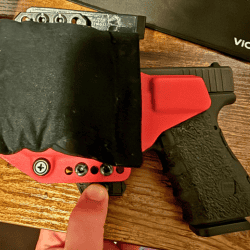
Comfort accessories like the Cloudster Pillow holster wedge are designed to create a soft buffer between the holster and your body while improving concealment by rotating the grip inward.
Step 4: Choose the Right Firearm for Appendix Carry
The size and shape of your firearm also affect comfort.
Full-size pistols can certainly be carried appendix style, but they may create additional pressure against the body, particularly when sitting.
Compact pistols are often easier to conceal and carry comfortably.
For example, many carriers prefer setups based on how to conceal carry a Glock 19 effectively because the pistol offers a balance between size, capacity, and concealability.
Slim pistols are also popular for appendix carry. Many concealed carriers choose holsters designed for the best Glock 43X holsters because they provide excellent concealment while remaining comfortable for everyday carry.
Step 5: Use a Quality Carry Belt
A proper gun belt is essential for stabilizing your appendix carry setup.
A strong belt helps:
-
Keep the holster secure
-
Prevent the firearm from shifting
-
Distribute weight evenly around the waist
Without proper belt support, the holster may tilt forward or move throughout the day. This movement can create friction and pressure points that reduce comfort.
Step 6: Consider Alternative Carry Systems
Some appendix carry systems are designed specifically to improve comfort and flexibility.
For example, the Phlster Enigma holster system allows the holster to be worn independently from the beltline.
This type of system can improve comfort for people who struggle with traditional waistband carry setups or who want more flexibility in how they carry.
Step 7: Dress for Appendix Carry
Clothing plays a major role in appendix carry comfort.
Loose-fitting shirts and slightly relaxed waistlines usually work better for concealed carry. Tight clothing can press the firearm into your body and increase discomfort.
Some carriers also prefer pants with a slightly higher waistline because they support the holster more naturally.
The goal is to create enough space for the holster to sit comfortably without excessive pressure against your body.
Step 8: Fine-Tune Your Setup
Appendix carry comfort often comes down to small adjustments.
Spend time experimenting with:
-
Holster ride height
-
Carry position
-
Belt tension
-
Wedge placement
These small changes allow you to fine-tune your setup until it feels natural during everyday movement.
Most carriers find their ideal configuration after a short period of testing different adjustments.
How the Cloudster Pillow Improves Appendix Carry Comfort
Even with the right holster, belt, and positioning, some carriers still experience pressure or discomfort from the holster pressing against the body.
This is where comfort accessories like the Cloudster Pillow can make a significant difference.
The Cloudster Pillow attaches to the back of your holster and acts as a soft cushion between the holster and your body. Unlike rigid foam wedges, the pillow compresses naturally and adapts to your body shape.
Benefits include:
-
Improved comfort while sitting or bending
-
Reduced pressure from the holster muzzle
-
Better concealment by rotating the grip inward
-
Soft cushioning for all-day carry
When paired with the right holster and positioning, a comfort pillow can dramatically improve everyday appendix carry comfort.
Final Thoughts
Appendix carry is one of the most effective concealed carry methods available, but comfort depends heavily on how your setup is configured.
Most discomfort comes from a few common issues:
-
Incorrect holster position
-
Poor belt support
-
Lack of pressure distribution
-
Improper holster design
By choosing the right holster, adjusting your carry position, and using comfort accessories like wedges or holster pillows, appendix carry can become comfortable enough for all-day everyday carry.
With the right setup, AIWB carry offers an excellent combination of speed, concealment, and comfort.
FAQs
Is appendix carry comfortable for everyday use?
Yes. With the correct holster, belt, and positioning, appendix carry can be comfortable for daily carry.
What is the most comfortable position for appendix carry?
Most people find positions between 12:30 and 1:30 to be the most comfortable because the firearm aligns better with the natural shape of the body.
Do holster wedges improve comfort?
Yes. Holster wedges help change the angle of the holster, reduce pressure points, and improve concealment.
What type of holster is best for comfortable appendix carry?
A dedicated AIWB holster with adjustable ride height, concealment claw, and wedge compatibility usually provides the best results.
Is a smaller pistol better for appendix carry?
Compact and slim pistols are generally easier to conceal and often more comfortable than full-size firearms.
