
EDC Gear
Must Have EDC Gear: 11 Proven Essentials for Reliable Carry and Comfortable Concealment
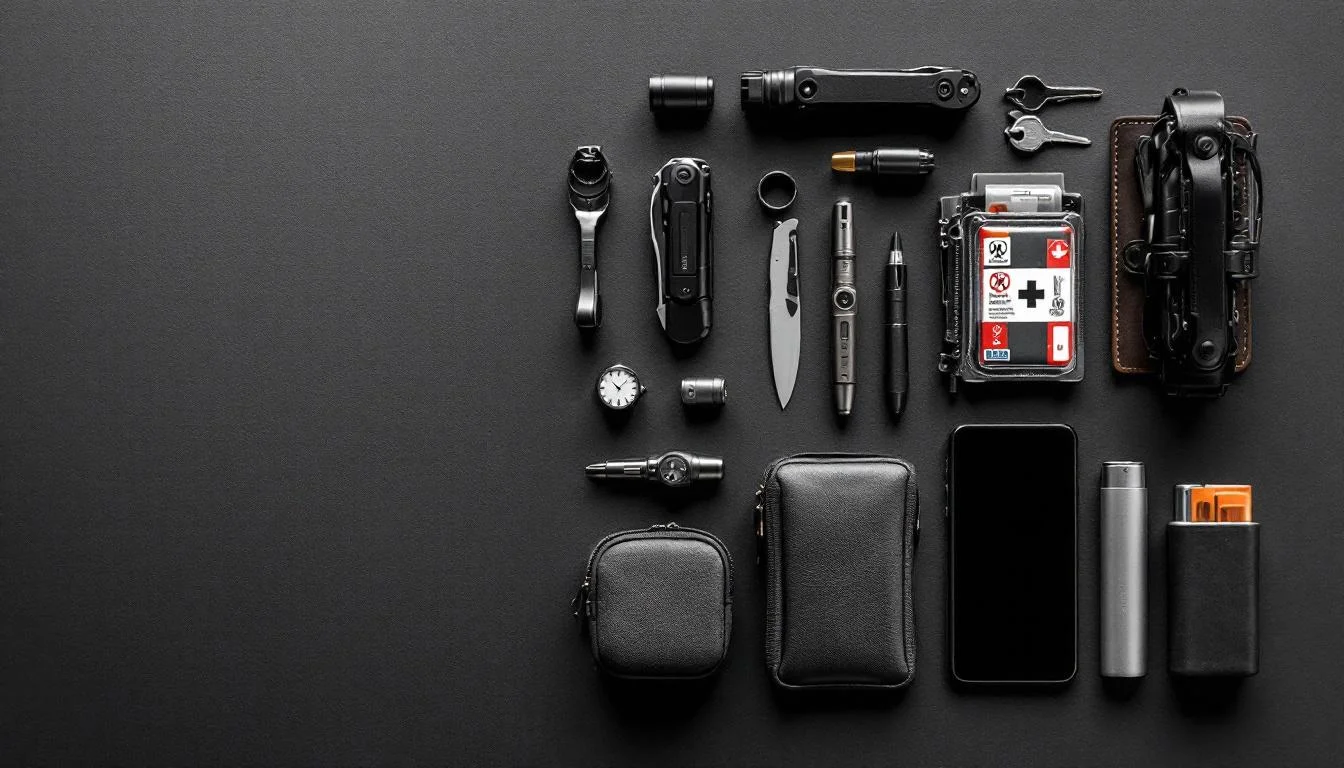
Must Have EDC Gear: 11 Proven Essentials for Reliable Carry and Comfortable Concealment
Understanding the Must Have EDC Gear ensures that you’re prepared for everyday challenges.
Carrying the right Must Have EDC Gear can elevate your preparedness. The Must Have EDC Gear you choose should support your daily life seamlessly.
Make Your Carry Comfortable Enough to Be Consistent
The best EDC gear is the gear you’ll actually carry. Upgrade concealment comfort with the Cloudster Pillow holster wedge so your setup stays on-body all day.
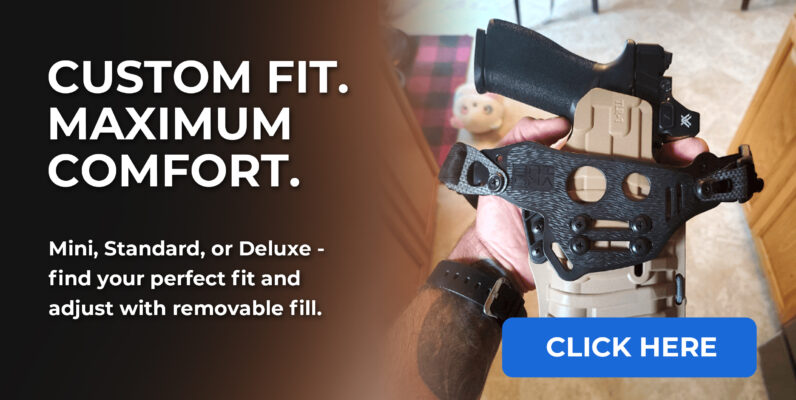
Carrying the right gear every day makes a real difference in how prepared you feel. Whether you’re new to concealed carry or a seasoned professional, having must-have EDC gear that works for your lifestyle matters more than owning everything.
At Cloudster Pillow, we know that comfort and reliability go hand in hand. The items you choose to carry should support your daily routine without slowing you down. If your gear causes pain, prints badly, or constantly needs adjustment, you’ll eventually leave it behind. And gear left at home can’t help you.
Why Must-Have EDC Gear Should Match Your Real Life
The internet is full of “perfect loadouts” that look great on a flat lay but fall apart in everyday life. The best approach is to build must-have EDC gear around realistic problems: lighting, cutting, basic repairs, medical emergencies, and (for lawful carriers) concealed carry comfort that keeps you consistent.
A minimalist carrier may only need a few proven items. A professional in a higher-risk environment may need redundancy and medical capability. Neither is “wrong.” The point is performance and consistency, not showing off gear.
Essential Pocket Carry Items
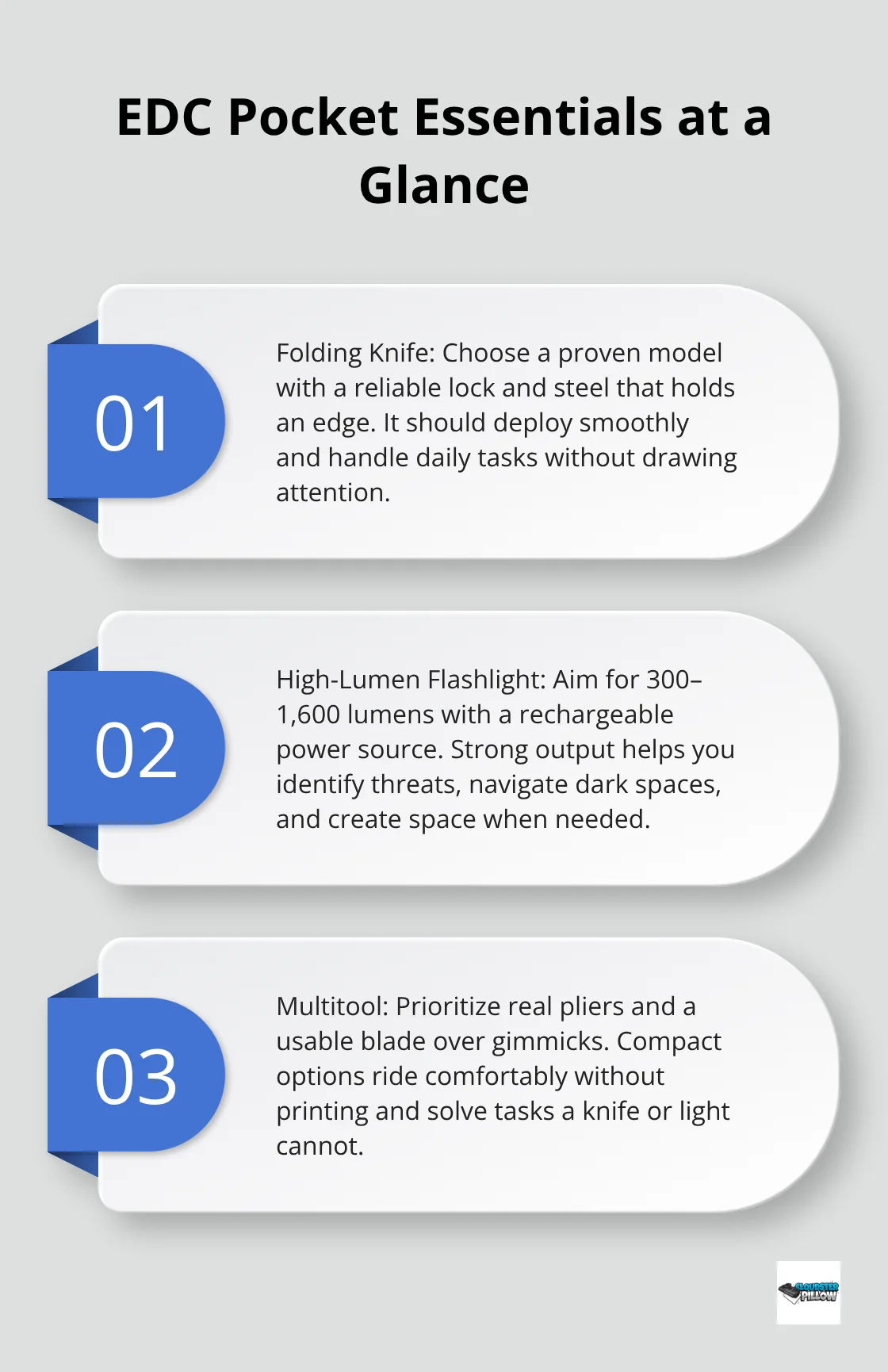
Your pockets are real estate you can’t waste. A quality folding knife, a high-lumen flashlight, and a reliable multitool form the foundation of practical pocket carry. These three items handle most daily problems without requiring a backpack.
If you’re building must-have EDC gear from scratch, start here. These tools get used constantly, which means you’ll quickly learn what you like, what you hate, and what you’ll actually carry.
As you refine your collection of Must Have EDC Gear, think about what items will enhance your daily effectiveness.
Choosing a Folding Knife That Works
A folding knife like a Spyderco Paramilitary 2 or Benchmade Bugout gives you a tool that cuts through tape, opens packages, and handles unexpected tasks without drawing attention. The key is selecting a knife with a reliable lock mechanism, a comfortable handle, and a blade that actually stays sharp.
Avoid novelty knives or overly complicated designs that jam or require constant maintenance. In must-have EDC gear, simplicity wins. You want a tool that deploys smoothly and holds an edge through regular use.
If you keep a knife in your daily rotation, remember local and workplace policies. A tool is only useful if you can legally and practically carry it where you spend your time.
Selecting a Flashlight for Real Situations
Skip the tiny keychain lights that barely illuminate your hand. A Streamlight Stylus Pro USB or Fenix PD36R delivers practical output and rechargeable convenience. Lumens matter because they help you identify hazards, navigate dark spaces, and maintain awareness when conditions are uncertain.
These considerations ensure your Must Have EDC Gear remains functional when it matters most.
A bright handheld light is also one of the most overlooked pieces of must-have EDC gear for personal safety. You can’t make good decisions if you can’t see what’s happening. Even in daylight, a high-output burst can disrupt vision long enough to create distance and reassess.
For a deeper dive into handheld light performance and beam patterns, check reviews and testing from
Pew Pew Tactical
and general preparedness guidance from
Ready.gov.
Adding a Multitool to Your Pocket Setup
A multitool handles tasks your knife and light can’t. Choose one with useful pliers and durable drivers rather than a gimmick tool full of features you never touch. Compact options from Leatherman or Swiss Army can fit without printing or feeling bulky.
Evaluate your Must Have EDC Gear regularly to ensure it meets your evolving needs.
The most effective must-have EDC gear is the gear you use weekly. If you never pull the multitool out, it’s a signal to simplify or swap for something that fits your routine better.
Training Transforms Your Gear Into a System
Quality gear is useless if you can’t deploy it under stress. Low-light training drills teach you how to use a flashlight while managing a firearm—something many carriers skip. Practice opening your knife one-handed and learn how to access your multitool without fumbling.
The goal is simple: your must-have EDC gear should function like a system you can execute with minimal thought. That system starts with repetition.
Your Must Have EDC Gear should be intuitive, requiring minimal thought to use effectively.
If you want structured practice ideas, start with reputable training resources and safety standards from
USCCA Training.
Comfortable Concealed Carry Solutions
Your holster is the most important piece of concealed carry equipment because it determines whether you’ll carry consistently. A bad holster creates pressure points, shifts, and prints—turning your firearm into something you tolerate rather than trust.
In a complete must-have EDC gear setup, the right concealed carry system should feel stable and predictable. When your setup is dialed in, it disappears.
Understanding Your Carry Position Options
Appendix Inside-the-Waistband (AIWB) carry and traditional IWB carry solve different problems. AIWB offers fast access and strong concealment under most clothing. It often works well for people who drive frequently or spend time seated. Traditional IWB distributes weight along the hip and can feel more natural for extended standing and movement.
Your lifestyle dictates what’s optimal. The best answer is the one you’ll actually stick with day after day.
Addressing the Discomfort Problem
Discomfort is the #1 reason people stop carrying. A common budget hack involves using a Dr. Scholl’s heel insert on a Kydex holster to soften pressure points. It can help, but it’s still a temporary fix.
If you want a more purpose-built solution, adding a wedge between your body and the holster creates leverage at the muzzle. That leverage pushes the bottom outward just enough to rotate the grip inward, reducing the concentrated dig that makes you want to remove your firearm halfway through the day.
If you want a step-by-step guide to dialing in wedge placement, see:
How to Adjust Your AIWB Holster Wedge.
Building a Stable Foundation
Your belt matters as much as your holster. A weak belt allows the holster to shift and rotate, creating friction and forcing constant adjustment. A rigid gun belt stabilizes everything so comfort solutions can do their job.
For a curated overview of concealment belt options, see:
Pew Pew Tactical’s gun belt guide.
Once the belt and holster work together, comfort upgrades become dramatically more effective—especially for long days of sitting, driving, and moving through normal life.
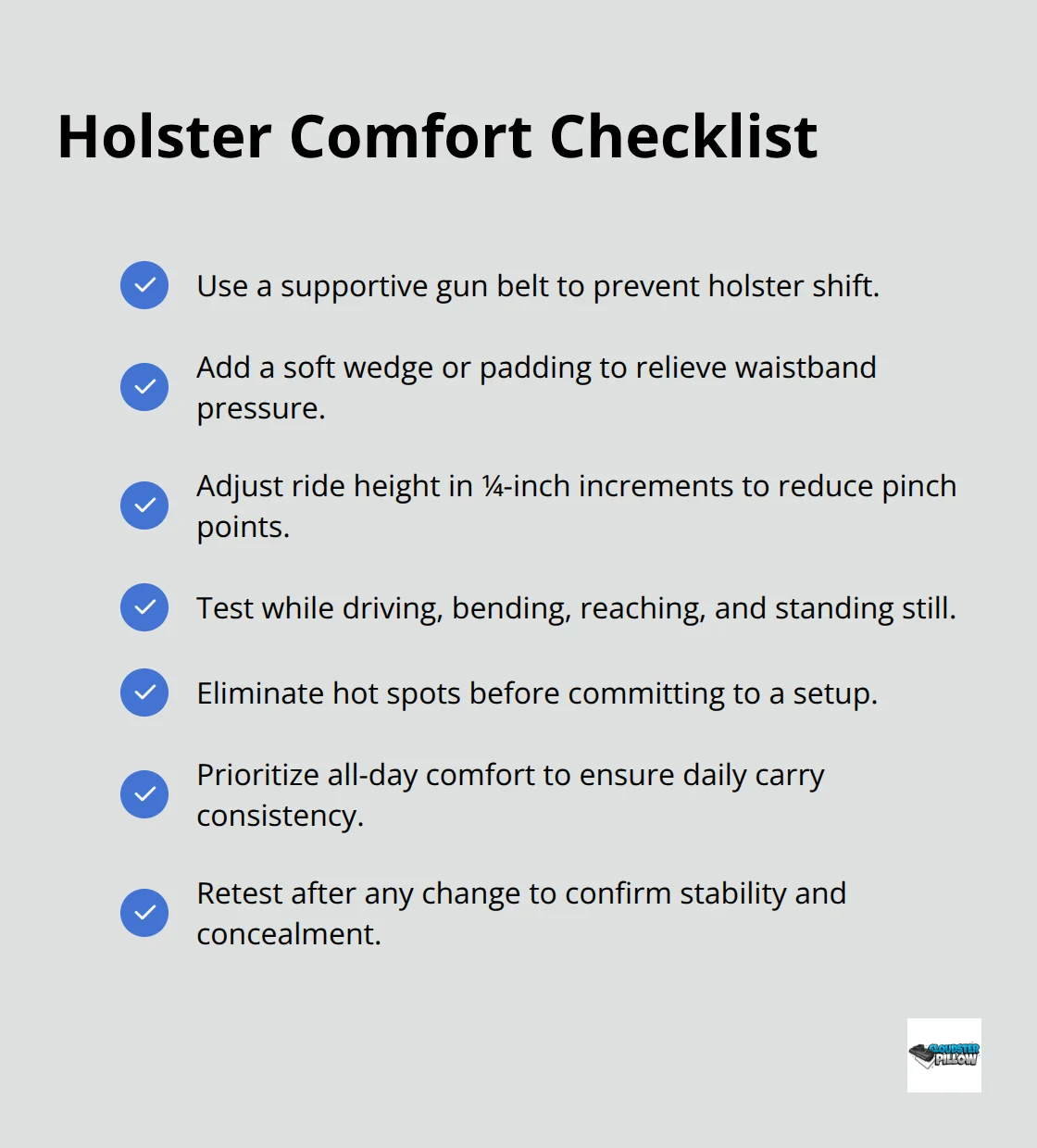
Comfort drives consistency, and consistency keeps you carrying when it matters. When your concealed carry setup stays comfortable and stable all day, you can focus on the backup systems and tools that round out your complete EDC strategy.
Ultimately, your choice in Must Have EDC Gear reflects your lifestyle and readiness for any situation.
Backup Gear and Self-Defense Options
Why Backup Firearms Matter for High-Risk Carriers
Most carriers stop at their primary firearm and never think about what happens if that tool becomes inaccessible or fails. Backup firearms can make sense for professionals facing genuine threats, but only if they fit your risk profile and your training routine.
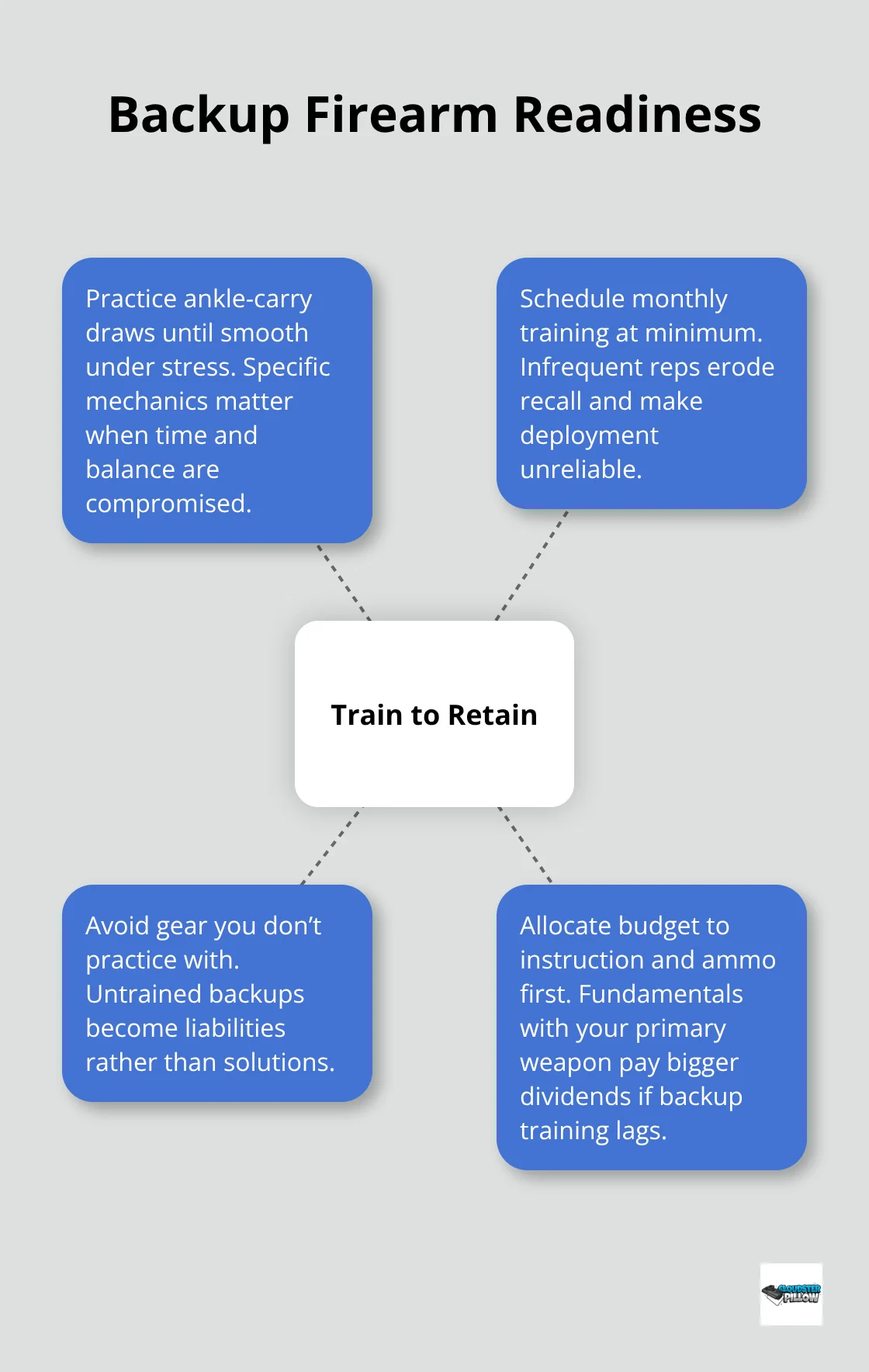
A secondary firearm is only helpful if you can access it under pressure and run it effectively. If you don’t train with it, it becomes dead weight.
Training Your Backup Weapon Properly
Backup guns demand specific practice. Ankle carry and deep concealment positions require dedicated draw work. If you don’t train at least monthly, that budget is often better spent on ammunition and instruction for your primary firearm.
Less-Lethal Tools for Gray-Zone Encounters
Less-lethal tools help in situations where lethal force isn’t justified. A high-lumen flashlight can disrupt vision and create distance. Pepper spray and electronic devices may be viable options, but restrictions vary widely—always check local laws before carrying.
For a general overview of self-defense restrictions by state, see:
Premier Body Armor’s legal overview.
Building a First-Aid Kit That Actually Works
Your first-aid kit bridges the gap between prevention and response. Include a tourniquet, trauma shears, sterile gauze, and nitrile gloves. A compact kit can fit in a cargo pocket or bag and handle the most common emergencies you may encounter.
For reference material and trauma care basics, review:
TCCC Quick Reference Guide (PDF).
Final Thoughts
By prioritizing reliable Must Have EDC Gear, you’ll be better prepared for emergencies.
Your EDC kit works best when it matches your actual life, not someone else’s fantasy loadout. A minimalist needs different must-have EDC gear than a professional facing genuine threats, and that’s exactly how it should be.
Start with the essentials that solve problems: a reliable knife, a quality flashlight, and a multitool you’ll actually use. Then build your concealed carry system around comfort and consistency, because an uncomfortable holster gets left at home.
Reliability beats quantity every time. Five pieces of gear you trust outperform twenty items you’ve never tested under stress. At Cloudster Pillow, we help carriers achieve real comfort without replacing their entire holster system through our
holster wedge collection.
Your needs evolve, and your gear should adapt with you.
Adapt your Must Have EDC Gear as your life changes, ensuring you remain equipped for any challenge.
Upgrade the One Piece of Gear That Controls Consistency
Investing in quality Must Have EDC Gear can significantly improve your daily convenience and safety.
If your holster hurts, you’ll stop carrying. Fix pressure points and improve concealment with the Cloudster Pillow holster wedge.
Think of your Must Have EDC Gear as an extension of yourself, enhancing your capabilities.
Shop Cloudster Pillow Holster Wedge
Every item in your Must Have EDC Gear should serve a purpose and improve your daily life.
Ultimately, your Must Have EDC Gear should empower you to tackle challenges confidently.

Pingback: Real Life Defense Training: Self Defense Training for Readiness