Firearms Training
Practical CCW training tips: Build Confidence and Readiness
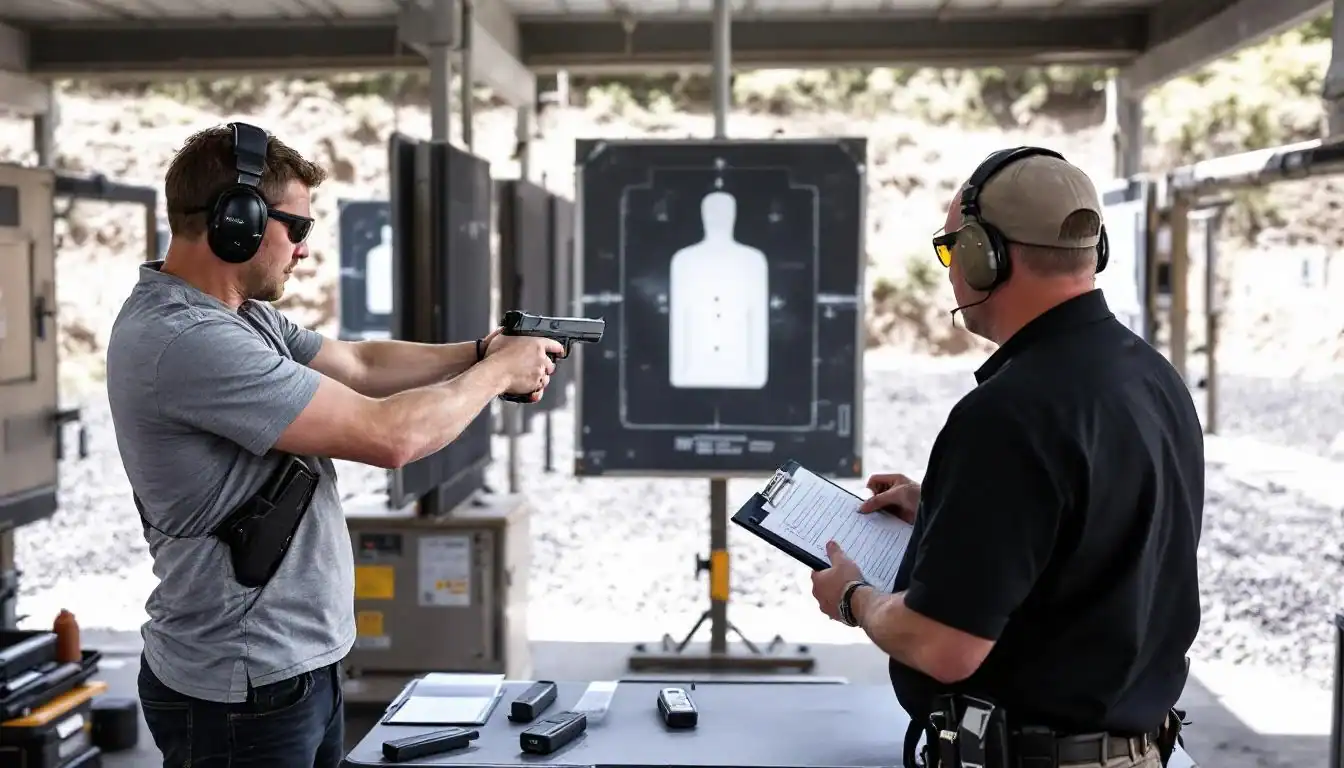

Carrying a concealed weapon comes with responsibility, and that starts with solid training. Practical CCW training tips separate confident, prepared carriers from those who freeze when it matters most.
At Cloudster Pillow, we know that real readiness isn’t built overnight-it comes from consistent practice, smart drills, and learning from common mistakes. This guide walks you through the fundamentals that actually work.
Building the Foundation: Grip, Stance, and Draw
Your grip determines everything that follows, and most carriers get it wrong. A proper grip means your dominant hand wraps high on the backstrap with your thumb forward, while your support hand covers the lower grip and wraps underneath. The web of your hand should contact the gun as high as possible, which reduces muzzle rise and improves control. Test this at the range: shoot five rounds with a loose grip, then five with maximum pressure. You’ll see immediate differences in shot placement. Most carriers skip this because it feels awkward initially, but after 50 repetitions, it becomes automatic.
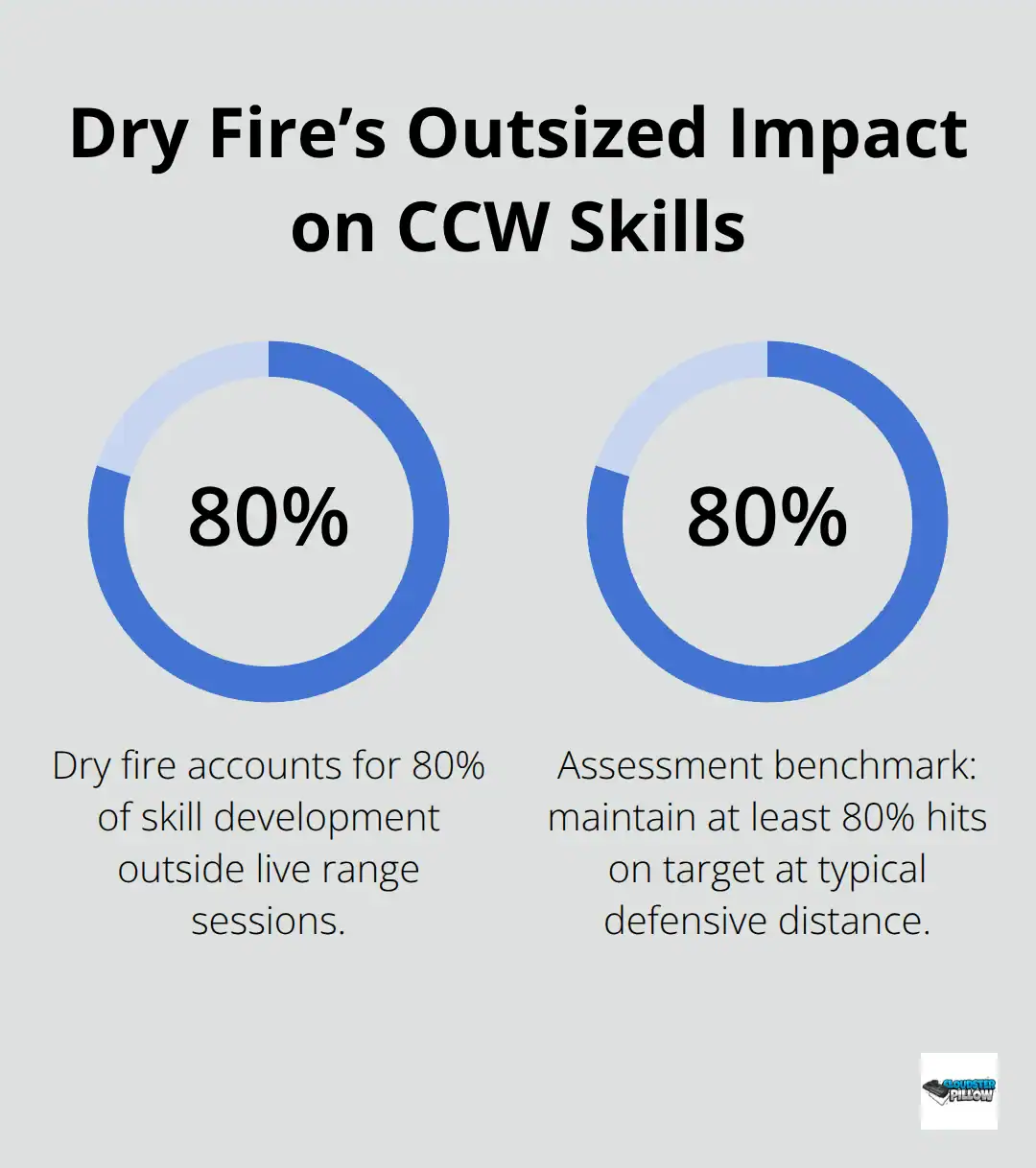
Your stance matters just as much as grip. A bladed stance with your dominant foot slightly back gives you stability without looking confrontational in public spaces. Stand in front of a mirror and practice your draw without the firearm-you should feel balanced and ready to move in any direction. Dry fire practice at home, with an unloaded firearm and no ammunition present, builds muscle memory faster than anything else. The USCCA reports over 1 million students trained nationwide, and instructors consistently emphasize that dry fire accounts for 80% of skill development outside live range sessions.
Sight Alignment and Trigger Control Matter More Than Speed
Sight alignment comes before speed, always. Front sight focus means your eyes stay locked on the front sight while the rear sight and target blur slightly. This single skill eliminates most accuracy problems. Trigger control requires a straight press straight back without disturbing your sight picture-any sideways movement throws your shot. Practice trigger control during dry fire by aiming at a spot on your wall and pressing the trigger without movement. If your front sight drifts, your trigger press needs work. Live fire reveals truth: shoot three rounds at seven yards and assess. If all three land in the center of your target, your fundamentals are solid. If they scatter, your trigger control or grip needs refinement. Try this drill monthly at minimum.
Drawing From Concealment Builds Actual Readiness
Drawing from concealment differs from drawing from an open holster. Your cover garment slows your presentation, so practice with the exact clothing you carry in. Start slow at three yards and focus on a smooth, consistent draw. Time yourself: a solid defensive draw to first shot should take 2 seconds flat from concealment. The CCW subreddit community emphasizes that consistency and repetition build confidence, and members value drills that simulate realistic scenarios. Draw 10 times per range session, every session. This trains your body to access your firearm under stress without fumbling. Many carriers neglect this and wonder why they feel unprepared.
How Gear Setup Affects Your Performance
Your holster and belt setup directly impact your draw speed and comfort. If your holster sits too high or your belt doesn’t support your rig properly, your draw suffers and discomfort increases. Small adjustments like proper ride height and padding in the right places transform both your draw consistency and all-day comfort. When your gear fits well, you stay focused on training rather than fidgeting with your setup. This foundation-solid grip, controlled trigger press, consistent draw, and comfortable gear-prepares you for the stress and decision-making that real defensive situations demand.
Scenario Training Separates Prepared Carriers from the Unprepared
Most carriers stop at fundamentals and never test their skills under pressure. Scenario training forces you to make split-second decisions while your heart rate climbs and your hands shake-exactly what happens in a real defensive encounter. The CCW community on Reddit consistently emphasizes that drills simulating realistic scenarios build genuine confidence, and members share that accuracy, speed, and decision-making must work together under stress.
Start Simple, Then Add Complexity
Start with simple scenarios at the range: someone approaches aggressively from your weak side, forcing you to move and draw while assessing the threat. Your first shot should come from seven yards in under two seconds, just like the draw-to-first-shot standard you practiced in isolation. Then add complexity. Set up three targets at different distances and angles, then have a range officer call out which target represents the threat while you engage. This trains your brain to identify targets under pressure instead of mechanically shooting everything in front of you.
Many carriers fail because they train on static targets and freeze when forced to choose. The difference between life and death often comes down to milliseconds and correct target identification. Move during drills too. Draw from concealment, fire two rounds, move five yards to cover, reassess, and fire again. Your body must learn that staying still makes you a target.
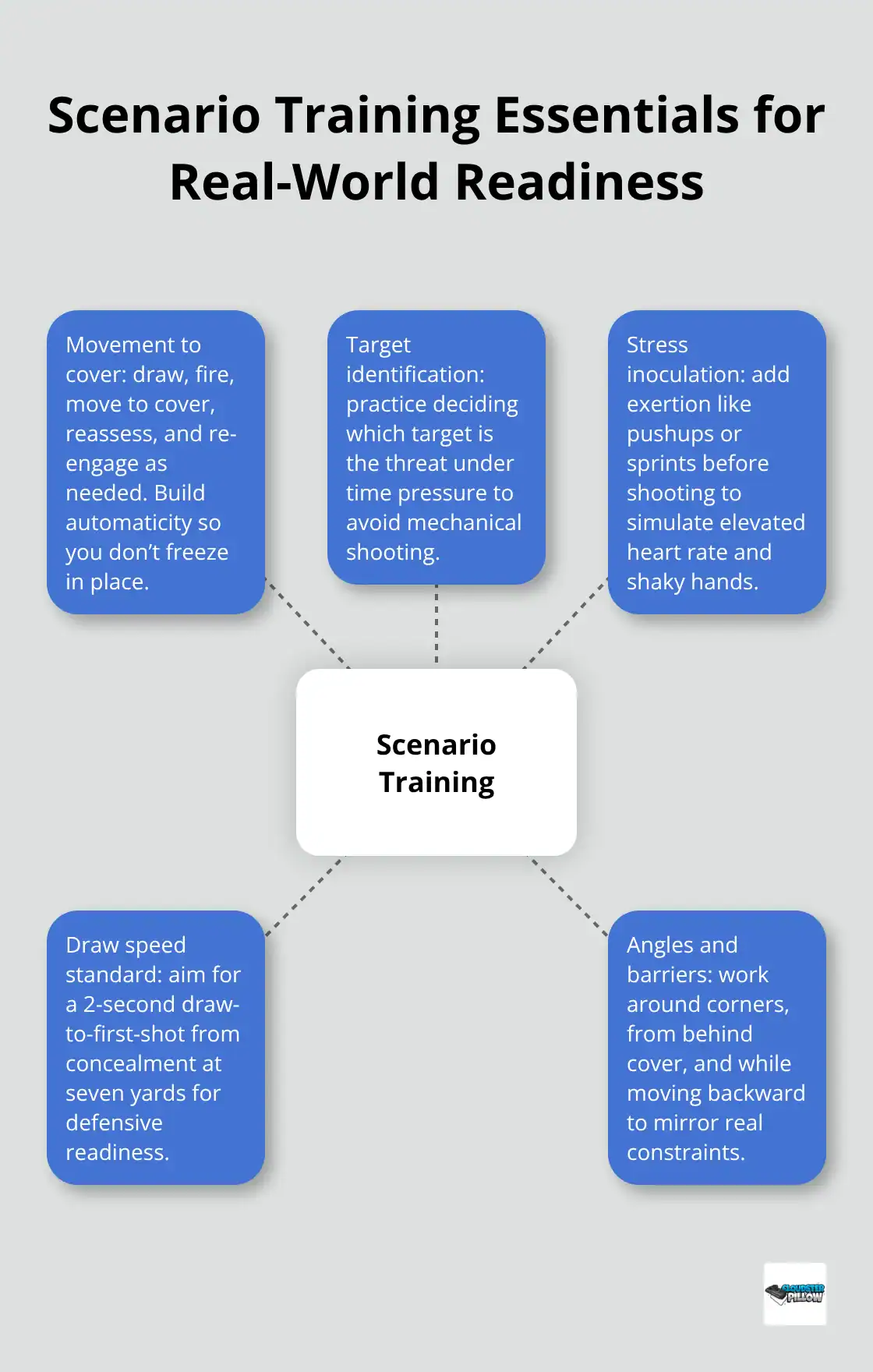
Shoot from behind barriers, around corners, and while moving backward. These aren’t Hollywood fantasies-they’re the reality of defensive situations where your position matters as much as your accuracy.
Train Your Body to Perform Under Stress
Decision-making under stress requires practice that mimics real stress responses. Your vision narrows, your fine motor skills deteriorate, and your breathing becomes shallow when adrenaline spikes. Train for this by adding physical exertion before shooting. Drop and do 20 pushups, sprint 50 yards, then immediately move to your shooting position and engage targets. Your elevated heart rate and fatigue simulate the physical state you’d experience in an actual threat.
Shoot at least 50 rounds per training session this way-your body needs repetitions to maintain accuracy when stressed. Force yourself to make decisions during drills instead of just pulling the trigger. Scenarios where you engage one target but not another, or where you must communicate your position to a responding officer, teach you to think beyond the moment of contact. The USCCA trains instructors who consistently report that carriers who practice scenario-based training feel significantly more prepared than those who only shoot at paper.
Measure Progress With Concrete Metrics
Track your performance with concrete metrics: time from draw to first accurate shot, accuracy percentage at various distances, and consistency across multiple sessions. If you don’t measure progress, you won’t identify weaknesses. Monthly assessment drills reveal whether your skills are improving or stalling. Most carriers plateau because they repeat the same comfortable drills instead of pushing into harder scenarios. Your training should feel slightly uncomfortable-that’s where real growth happens.
As your scenario skills sharpen, your confidence grows, but confidence alone won’t sustain your training. What keeps carriers consistent is comfort-both mental comfort from knowing they’re prepared and physical comfort from gear that doesn’t distract them during practice.
Common Training Mistakes That Derail Your Progress
Dry Fire Practice Builds Skills That Live Fire Cannot
Dry fire practice separates serious carriers from those who hope their fundamentals stick. Most carriers shoot live rounds once a month and call it training, then wonder why their draw feels clumsy under pressure. The reality is stark: dry fire accounts for roughly 80 percent of skill development outside the range. That means if you only shoot live ammunition, you ignore the tool that builds actual muscle memory.
Set aside 15 minutes three times per week at home with an unloaded firearm and zero ammunition in the room. Draw from your carry position 20 times, focusing on a smooth presentation without jerking the trigger. Then dry fire 50 times at a spot on your wall, concentrating on a straight trigger press that doesn’t shift your front sight. This costs nothing except time, yet most carriers skip it entirely. They plateau at the range because their fundamentals never solidify between live fire sessions. Your body learns through repetition, and dry fire provides unlimited repetitions without ammunition expense or range fees.
Structured Assessment Prevents Wasted Range Sessions
Range time becomes counterproductive without structured assessment. Shooting 100 rounds downrange without measuring what you actually accomplish teaches your body bad habits. Many carriers shoot the same comfortable distance, the same targets, and the same drill every session, then feel shocked when they can’t perform at seven yards or under pressure.
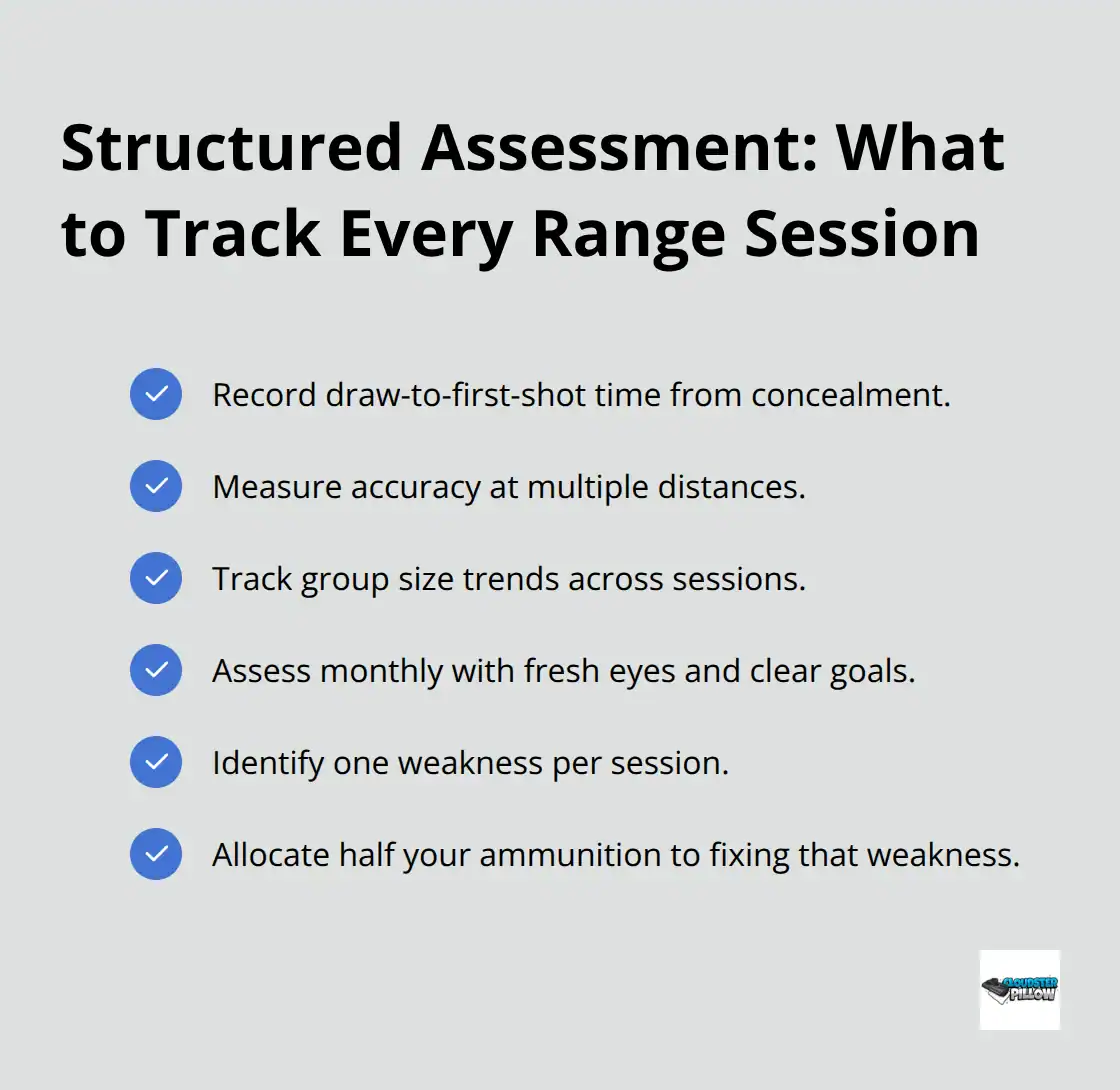
Track your actual performance: record your draw time from concealment to first shot, measure your accuracy percentage at multiple distances, and note whether your groups tighten or spread. If your accuracy drops below 80 percent hits on target at your typical defensive distance, something in your grip, stance, or trigger control needs work. Shoot at least once monthly with fresh eyes, treating it as an assessment rather than casual practice. Identify one specific weakness each session and dedicate half your ammunition to fixing it. Without this structure, you burn money and ammunition while your skills stagnate.
Gear Comfort Determines Training Consistency
The final mistake carriers make is underestimating how much gear comfort affects training consistency. An uncomfortable holster setup pulls your focus away from fundamentals during practice. You end up adjusting your rig instead of concentrating on your draw, or you skip range sessions because carrying feels like punishment.
When your gear fits properly with minimal pressure points and reliable concealment, you stay focused on building skills. Test your current setup during a full training session: if you think about comfort more than three times, your gear needs adjustment. Small fixes like proper ride height, padding in the right spots, and a sturdy gun belt transform both your training consistency and all-day carry comfort. Cloudster Pillow helps everyday carriers achieve the comfort and confidence needed for consistent practice without replacing their entire holster system.
Final Thoughts
Practical CCW training tips rest on three core principles: master your fundamentals, test yourself under realistic stress, and eliminate distractions that pull your focus away from skill development. Grip, sight alignment, trigger control, and consistent draws from concealment form the foundation that everything else builds on. Scenario training forces your body to perform when your heart rate climbs and your hands shake, separating carriers who feel prepared from those who hope they’ll perform when it matters.
None of these principles stick if your gear makes you uncomfortable. When your holster setup creates pressure points, shifts during movement, or prints visibly under your shirt, you stop thinking about your draw and start thinking about your rig. You skip range sessions because carrying feels like punishment, and you fidget during drills instead of focusing on accuracy.
Real readiness comes from showing up to the range month after month, practicing dry fire between sessions, and running scenario drills that challenge your decision-making. That consistency only happens when your gear works with your body instead of against it. Small adjustments to your holster setup-proper ride height, strategic padding, a sturdy belt-transform both your training experience and your all-day carry comfort. Explore how the right comfort solution supports your training journey and take your readiness forward with confidence.