
Carry Techniques and Optimization, Firearm Tips and Tricks, Firearms Training
Proper Grip Techniques for Concealed Carry Drawing

Proper Grip Techniques for Concealed Carry Drawing
Your draw speed means nothing if your grip fails under pressure. Poor grip techniques turn even the fastest draw into a fumbled mess when seconds count.
We at Cloudster Pillow know that consistent, proper grip forms the foundation of effective concealed carry. Master these fundamentals and watch your confidence soar.
Fundamentals of Proper Grip for CCW
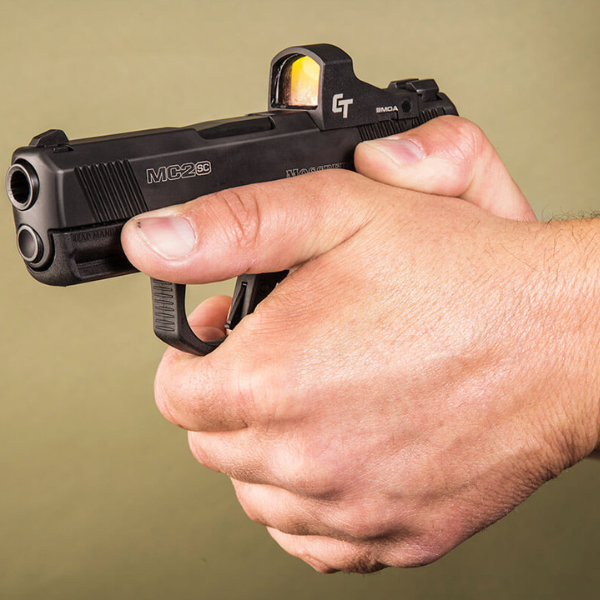
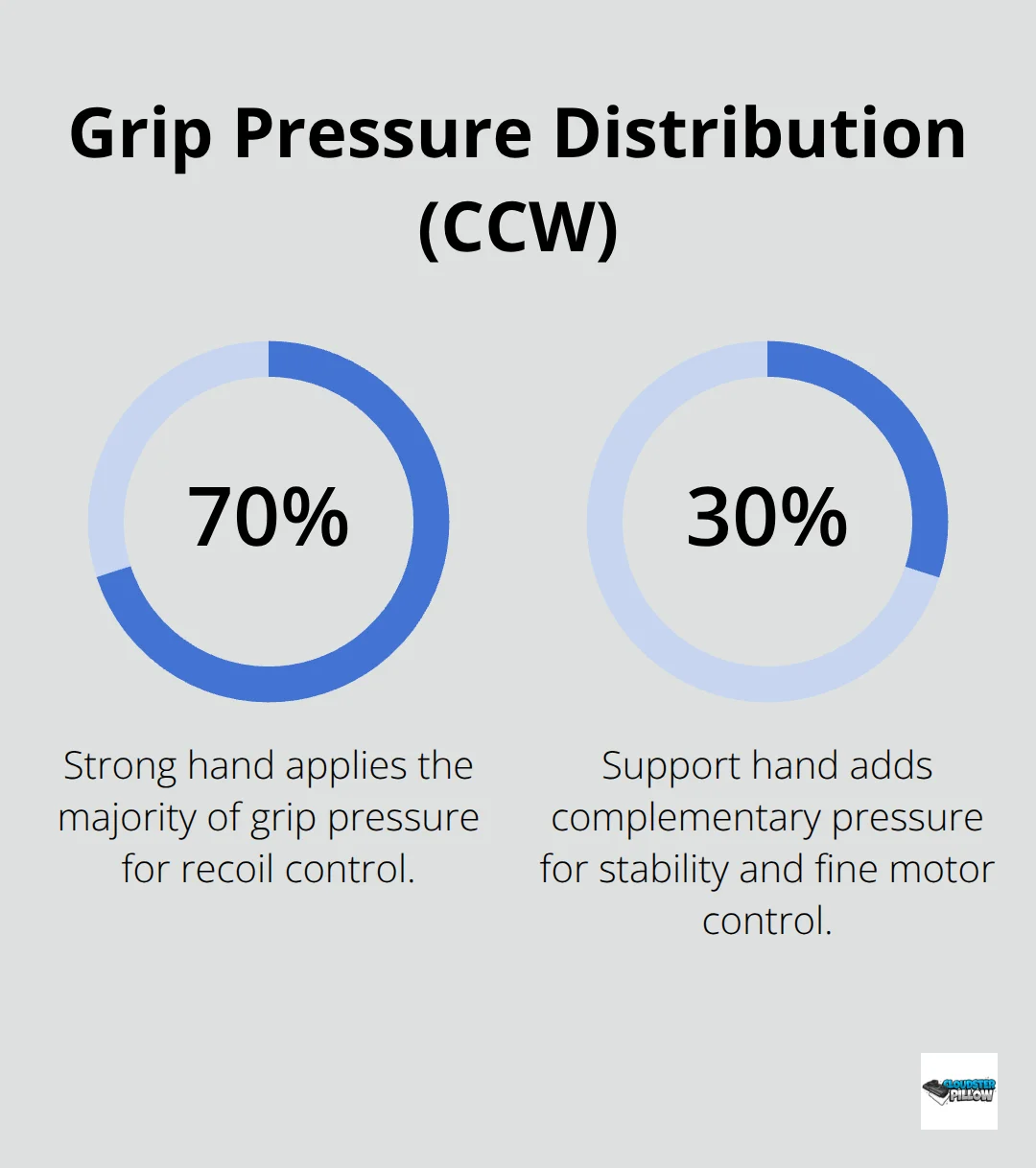
Your grip must place 70% of pressure in your strong hand and 30% in your support hand. This distribution gives you maximum recoil control while you maintain fine motor skills under stress. Place your strong hand as high as possible on the backstrap, which creates what instructors call a high tang grip. Your thumb should rest along the frame, never wrapped around the grip.
High Tang Grip and Thumbs Forward Position
Point both thumbs forward along the frame. Your support hand thumb should press firmly against the strong side of the frame while your strong hand thumb stays clear of the slide path. This creates a 360-degree grip that controls muzzle flip better than any other technique. Shooters who use thumbs forward technique can manage recoil significantly better compared to traditional grip methods.
Consistent Grip Pressure and Hand Placement
Apply firm pressure with the last three fingers of your strong hand while you keep your trigger finger relaxed. Your support hand should push forward into the strong hand, which creates forces that lock the gun in place. Grip pressure should feel like a firm handshake, never a death grip that causes tremors. Excessive grip tension reduces accuracy when stress hits, particularly in close-quarters scenarios.
Common Grip Mistakes That Slow Your Draw
The teacup grip kills your draw speed and accuracy. Never cup your support hand under the grip like you hold a teacup. Thumbs behind the slide will cost you skin and blood when the slide cycles. Low grip placement gives recoil complete control over your follow-up shots. These mistakes turn a 1.5-second draw into a 3-second struggle that could cost your life.
Master these fundamentals before you move to position-specific techniques. Different carry positions demand unique approaches to grip acquisition, and each method requires specific hand placement adjustments that work with your holster setup. Proper grip, stance, and trigger control form the foundation of effective concealed carry skills.
Drawing Techniques for Different Carry Positions
Your carry position dictates everything about grip acquisition speed and effectiveness. AIWB demands a completely different approach than strong side IWB, and pocket carry creates unique challenges that most carriers handle wrong.
AIWB Draw Mechanics and Grip Acquisition
AIWB requires you to cant your wrist downward at a 45-degree angle during the initial grip phase. Your strong hand must slide along your belt line and approach the grip from below to avoid flagging yourself. Federal Law Enforcement training emphasizes keeping your support hand pressed against your chest during AIWB draws to prevent muzzling.
Your grip must be perfect on first contact because repositioning takes precious time. Most AIWB failures happen when shooters try to adjust their grip after clearing the holster instead of establishing it correctly immediately. The downward cant feels awkward at first, but this angle prevents accidental discharge while you clear the holster.
IWB Strong Side Draw and Hand Positioning
Strong side IWB allows for a more natural grip approach but demands precise hand placement to avoid clothing snags. Your strong hand should sweep your cover garment with the back of your hand while your fingers find the grip. Position your hand so your thumb naturally falls on the grip safety (if your pistol has one).
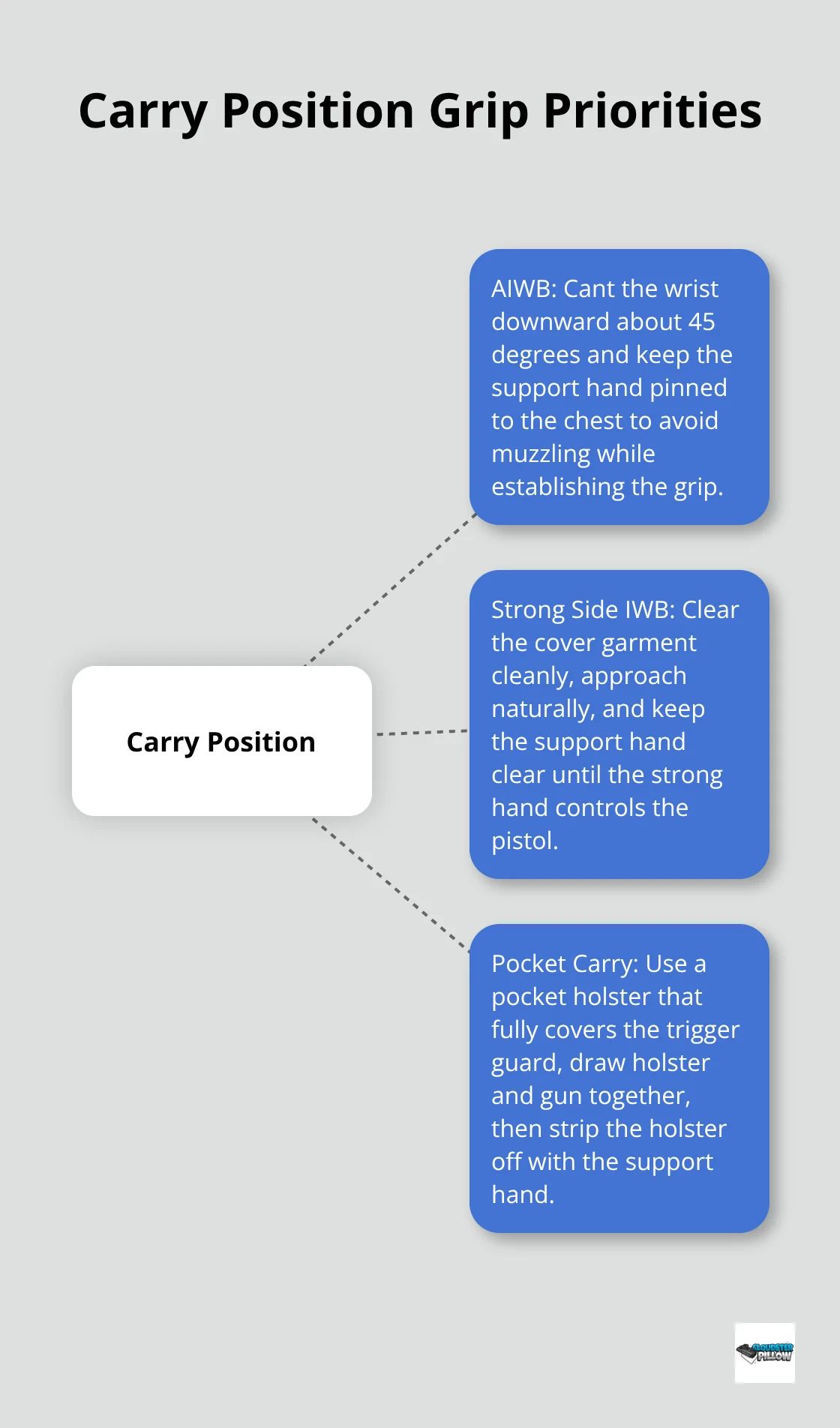
Proper cover garment clearance is critical for strong side carry success, as inadequate clearance causes most draw failures rather than grip problems. Your support hand must stay clear until your strong hand establishes complete control and begins the upward motion. This prevents interference and maintains a clean draw path.
Pocket Carry Grip Considerations
Pocket carry creates the most difficult grip acquisition scenario because fabric restricts your hand movement. You must use a pocket holster that completely covers the trigger guard and maintains consistent position. Your grip approach should be straight down into the pocket with your hand in a claw position.
Never try to establish a full firing grip inside the pocket because limited space prevents proper hand placement. Draw the entire holster and gun together, then strip the holster away with your support hand while your strong hand maintains basic control. This method prevents fumbling and gives you the fastest path to an effective firing grip.
These position-specific techniques form the foundation for effective practice routines that build muscle memory and confidence under stress.
Practice Drills to Perfect Your Grip
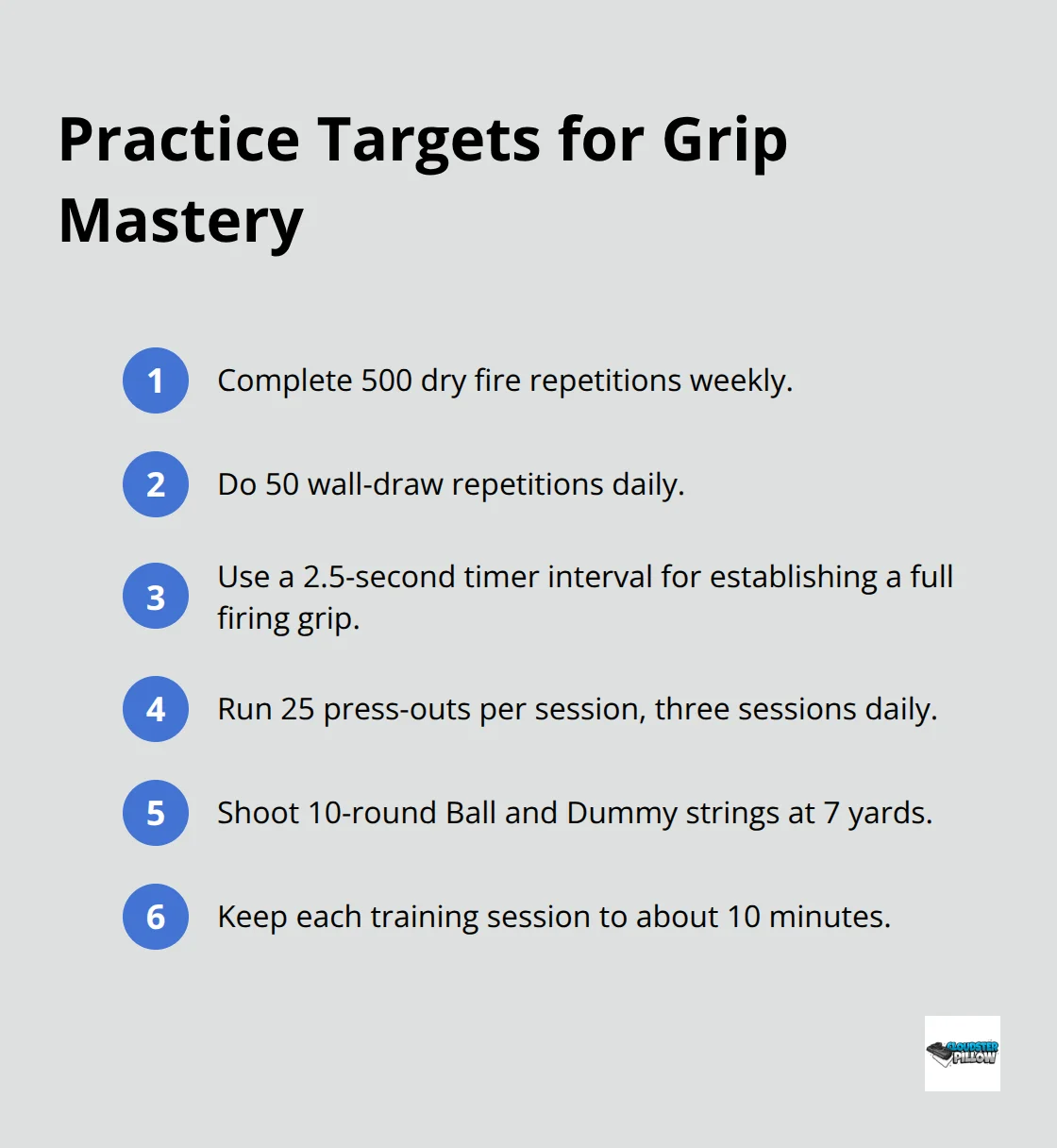
Perfect grip requires consistent repetition to develop muscle memory that functions under stress. Law enforcement agencies like the LAPD mandate 500 dry fire repetitions weekly because muscle memory fails when adrenaline spikes. Start with wall drills where you face a blank wall and practice your draw stroke 50 times daily. Focus on identical hand placement each repetition, check that your strong hand achieves the same high tang position every time.
Dry Fire Consistency Exercises
Set a shot timer for 2.5-second intervals and practice achieving your complete firing grip within that window. Professional instructors recommend the press-out drill where you establish grip, press the gun forward to full extension, then return to ready position while you maintain identical hand placement. Practice this sequence 25 times per session, three sessions daily.
Your grip pressure should remain constant throughout the entire motion, never loosen during the press-out phase. Most carriers fail because they establish a perfect grip initially but lose consistency when they move to shooting position.
Live Fire Accuracy Drills with Draw Focus
Shoot the Ball and Dummy drill at 7 yards with your carry ammunition. Load random dummy rounds in your magazine and fire strings of 10 shots. Perfect grip will produce identical points of impact regardless of live or dummy rounds. Flinching or grip changes will cause low shots on live rounds and perfect shots on dummy rounds. This drill exposes grip inconsistencies that dry fire cannot reveal. Professional shooters use this method weekly to identify grip problems before they become habits (ingrained through repetition).
Daily Practice Routines for Muscle Memory
Morning sessions should focus on grip establishment speed, afternoon sessions on grip consistency under movement, and evening sessions on grip maintenance during reloads. Each session requires only 10 minutes but must happen daily without exception. Weekend sessions should include stress inoculation where you practice after physical exertion like burpees or sprints. Your grip must remain perfect when your heart rate exceeds normal levels, which simulates real defensive scenarios where adrenaline affects fine motor control.
Final Thoughts
Proper grip techniques transform your concealed carry from a burden into a confidence-building tool. The 70/30 pressure distribution, high tang placement, and thumbs forward position create the foundation for reliable defensive performance. These fundamentals work across all carry positions when you practice them consistently.
Your grip directly impacts your ability to deliver accurate shots under stress. Poor grip techniques cause malfunctions, missed shots, and dangerous fumbles when your life depends on performance. Daily dry fire practice builds the muscle memory that functions when adrenaline floods your system and fine motor skills deteriorate (which happens in every defensive encounter).
Comfort during extended carry sessions affects your willingness to carry consistently. When your holster setup causes discomfort, you compromise your defensive readiness by leaving your firearm at home. The Cloudster Pillow holster wedge enhances all-day concealment comfort for both AIWB and IWB positions, helping you maintain consistent carry habits that support your training investment.
