
EDC Gear
What Does EDC Gear Mean and Why It Matters
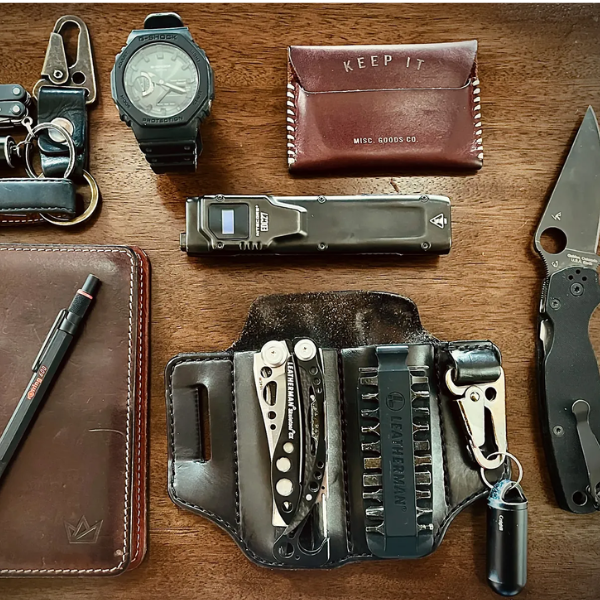

EDC gear meaning goes beyond just carrying a knife or flashlight. It’s about intentional preparation and the mindset that comes with it.
At Cloudster Pillow, we’ve seen how everyday carry transforms the way people approach their day. When you understand what EDC actually is, you realize it’s less about the gear itself and more about the confidence and readiness it builds.
What EDC Really Means
EDC stands for everyday carry, and it describes the gear you consistently have with you to handle daily situations and unexpected problems. This isn’t about tactical operators or survival preppers-it’s about regular people who want to be ready. The baseline EDC for most people includes a phone, wallet, keys, and watch. From there, the definition expands based on your lifestyle, job, and what you actually need. Someone working in an office might carry a pen and notebook. A parent might add a small first aid kit. A concealed carrier adds their firearm and related gear.
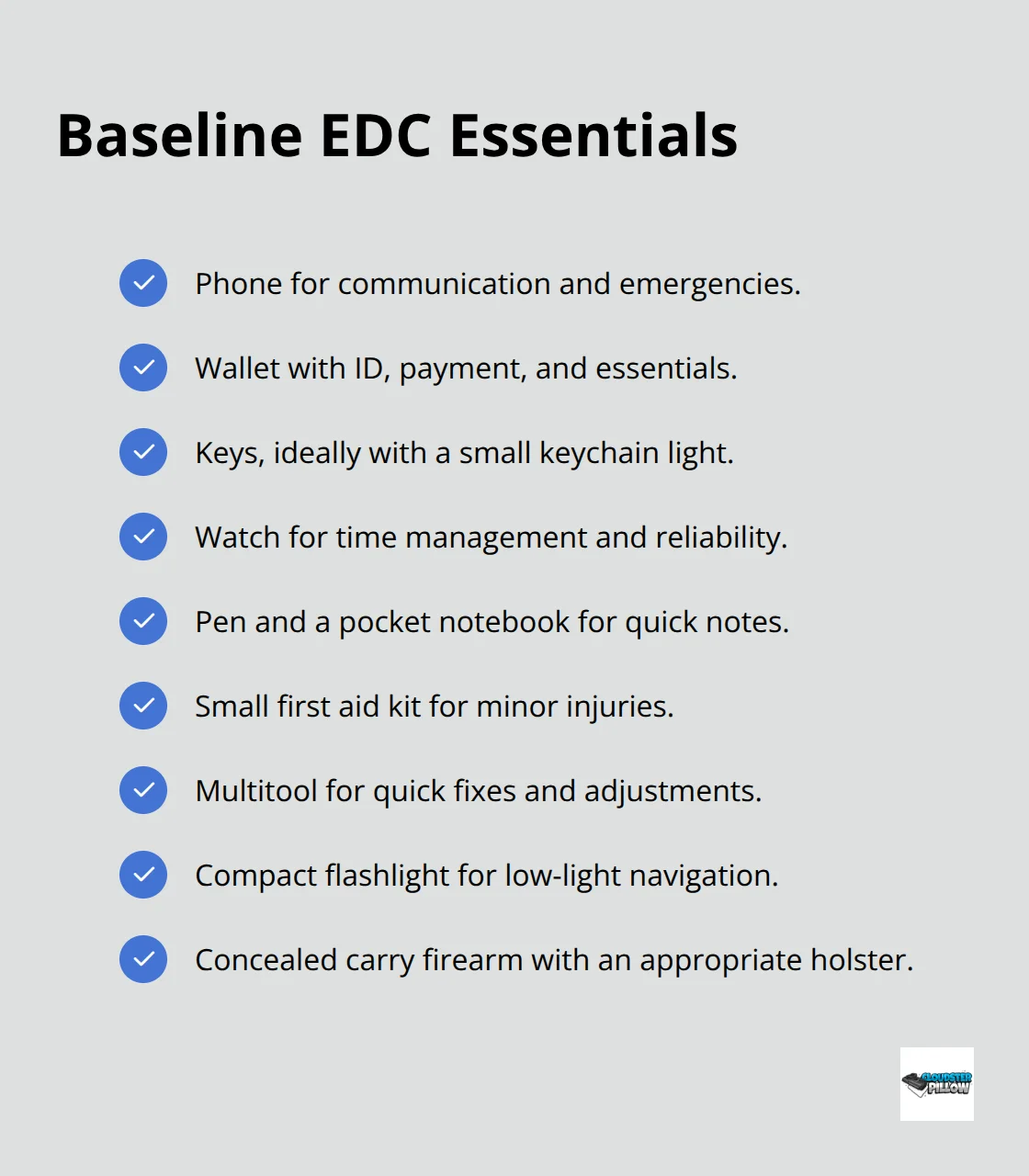
The core principle is maximizing usefulness while minimizing weight and bulk so everything fits discreetly on your person or in a small bag.
EDC Isn’t Tactical Gear
This distinction matters because many people confuse EDC with tactical or survival equipment. Tactical gear prioritizes performance in high-stress, combat-adjacent scenarios. EDC prioritizes everyday functionality and practicality. A tactical bag might weigh 15 pounds and hold specialized equipment. Your EDC pouch should weigh a few ounces and contain items you actually use weekly. The Triple Aught Design GPP1 pouch, for example, fits cargo pockets and holds essentials like a multitool, flashlight, and first aid supplies without becoming cumbersome. This carrier-based approach lets you expand beyond on-person carry without sacrificing accessibility. The best EDC items are multi-use tools-a Victorinox Swiss Champ provides 33 functions in one tool, a flashlight serves both utility and potential self-defense, and a quality knife handles everything from package opening to emergency situations.
Why EDC Went Mainstream
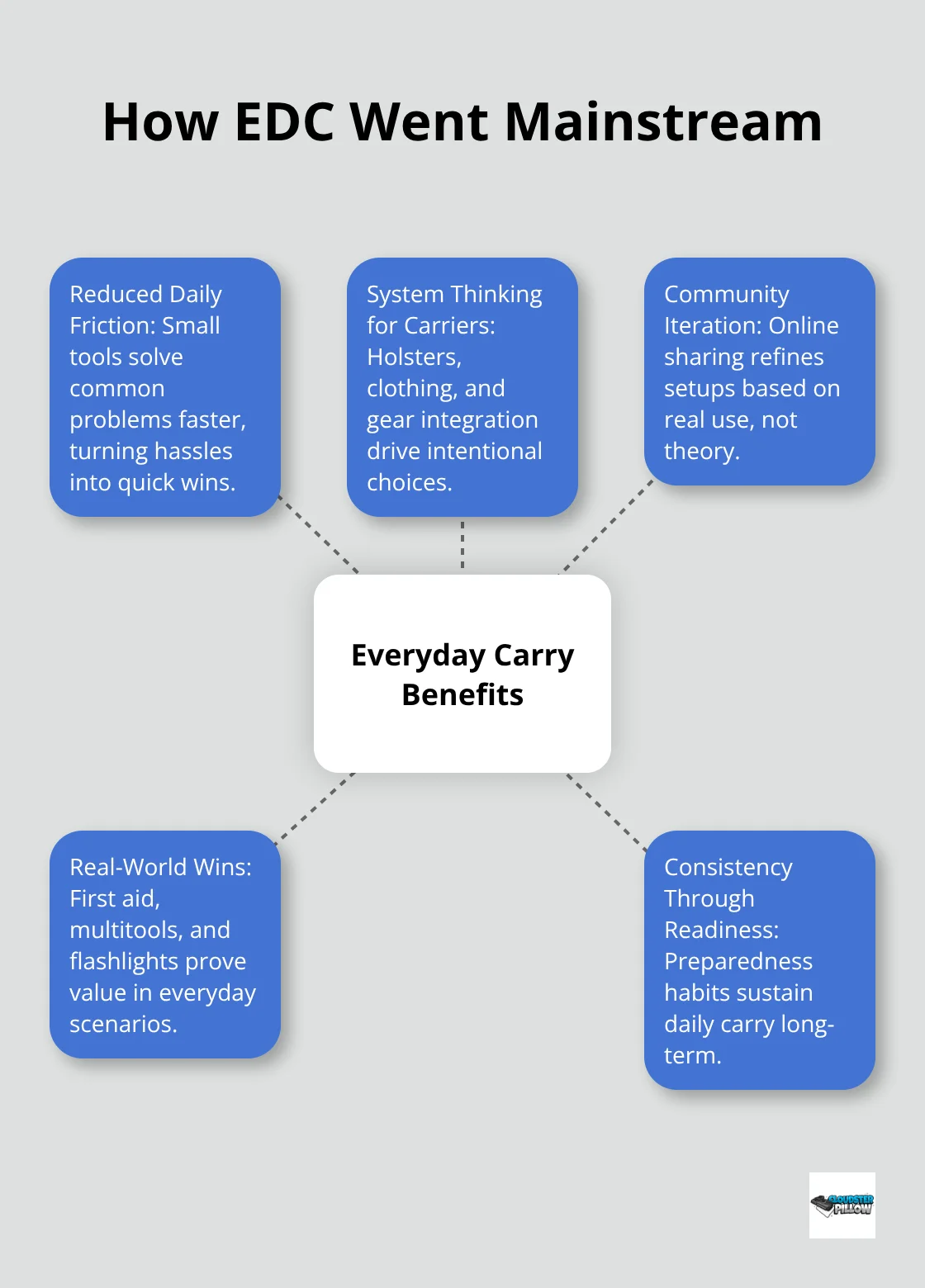
Everyday carry reduces friction in daily life. The USCCA, which has over 860,000 members, emphasizes that EDC is part of a broader self-defense and readiness mindset. Concealed carriers especially embraced EDC philosophy because consistent carry requires intentional equipment choices and daily habits. You can’t carry a firearm effectively without also considering your holster, clothing, and how other gear integrates. This forced carriers to think systematically about what they actually need versus what they think they need. Online communities and forums amplified this-people shared their setups, discussed real-world uses, and refined their kits based on actual experience rather than theory. The trend accelerated because EDC delivered real results: someone who carried a small first aid kit handled a child’s injury at home, someone with a multitool fixed a broken stroller, someone with a reliable flashlight navigated a power outage. These aren’t theoretical scenarios-they’re the reasons people maintain their EDC consistently.
The Real Motivation Behind EDC
What drives people to commit to EDC isn’t the equipment itself. It’s the confidence that comes from knowing you have the right tools when you need them. Concealed carriers understand this better than most-they’ve already made the decision to carry a firearm, which means they’ve accepted responsibility for their own preparedness. That same mindset extends to every other item you carry. A quality multitool or flashlight becomes valuable not because it’s expensive or tactical-looking, but because you’ve actually used it to solve a problem. The items that stay in your EDC are the ones that prove their worth through real use, not through marketing or trends. This is why EDC setups vary so dramatically from person to person (and why five different philosophies-minimalist, survivalist, hybrid, specialist, and aesthetic-all have merit). Your EDC reflects your actual life, not someone else’s ideal kit.
Why EDC Transforms How You Handle Real Situations
Real Problems Demand Real Solutions
EDC stops being theoretical the moment you actually need it. A parent with a small first aid kit handles their child’s scraped knee without scrambling for supplies. Someone with a multitool fixes a broken stroller wheel in minutes instead of abandoning it. A concealed carrier with a reliable flashlight navigates a darkened parking garage with confidence instead of fumbling with their phone. These aren’t edge cases-they’re the everyday moments that prove why people maintain their EDC consistently.
When you carry practical gear, you respond faster because you’ve already made decisions before stress arrives. You execute a plan you built into your daily routine. Research on decision-making under pressure shows that pre-planned responses reduce reaction time significantly. Concealed carriers understand this principle deeply: they’ve trained with their firearm, practiced their draw, and committed to carrying responsibly. That same preparedness extends to every other item in your EDC.
How Gear Becomes Part of Your Thinking
The gear you carry regularly becomes an extension of your decision-making process. You stop asking if you have the right tool and start focusing on solving the problem. A multitool with 31 functions proves its value through actual use, not marketing. A quality flashlight handles both utility and unexpected situations. A reliable knife solves problems from package opening to genuine emergencies.
This shift happens because you’ve tested your EDC in real scenarios. You’ve discovered what actually works versus what sounds good in theory. The items that stay in your kit are the ones that solve real problems in your actual life, not someone else’s ideal setup.
Confidence Compounds Through Preparation
Readiness creates a compounding effect on your confidence. People who maintain an EDC report feeling more capable in unexpected situations because they’ve proven to themselves that preparation works. You’re not relying on hope or luck-you’re relying on choices you made beforehand.
This confidence translates into better daily habits because you’ve internalized the connection between planning and results. Concealed carriers especially know that carrying a firearm requires mental discipline and responsibility that extends beyond the gun itself. Your holster matters. Your clothing choices matter. Your training matters. Your mindset matters.
Personal Responsibility Shapes Your Kit
Once you accept that level of accountability for your primary carry, you naturally apply the same standard to your other EDC items. You stop carrying things just because they look cool or because someone online recommended them. You carry what actually solves problems in your life.
This is why your EDC looks different from your friend’s EDC, and why that’s exactly how it should be. Personal responsibility in EDC means rejecting the idea that one perfect kit exists for everyone. Instead, you build a kit that reflects your actual routine, your actual risks, and your actual lifestyle (not theoretical scenarios or aspirational gear).
What Separates Committed Carriers from Gear Collectors
That intentionality-choosing gear based on real use rather than theory-separates people who carry EDC from people who just own gear. Carriers who focus on practical comfort and concealment solutions stay consistent with their EDC because their setup works for their life, not against it. The next step in this journey involves understanding how your carry system itself affects your ability to maintain that consistency.
The Gear That Actually Solves Problems
Multitools Earn Their Place Through Real Use
A multitool proves its value through actual problem-solving, not through the number of functions it claims. The Victorinox Swiss Champ weighs 185 grams and delivers a screwdriver, pliers, knife, file, and ballpoint pen in a single tool. Concealed carriers understand this principle deeply: you don’t carry something just to own it. You carry something because you’ve tested it and proven it works in your actual life.
A parent discovers they need tweezers for a splinter. Someone working in an office opens packages daily and appreciates having a blade without reaching for scissors. A concealed carrier realizes their holster needs adjustments and uses the screwdriver they’ve carried for months. The items that remain in your EDC are the ones that earn their weight through real use, not through online recommendations or aspirational thinking.
This filtering process means your multitool selection matters far less than your commitment to actually carrying and using whatever tool you choose. Pocket knives work the same way-a reliable folder handles everything from cutting paracord to opening boxes, and the specific brand matters less than whether you’ve tested it under pressure and found it dependable. Many carriers rotate through different tools searching for the perfect option instead of committing to one tool and discovering what it can actually accomplish.
Flashlights and Defense Tools Demand Reliability
Flashlights and personal defense tools occupy a different category because they matter most when you need them badly. A quality handheld flashlight like the Drop Vega AAA delivers up to 650 lumens with three modes and fits in a cargo pocket without adding bulk. Concealed carriers know that a reliable flashlight serves multiple purposes: navigating dark parking areas, checking under vehicles, identifying threats, and handling genuine emergencies.
The USCCA’s 860,000 members understand that preparedness extends beyond firearms to include the tools that support safe decision-making. Personal defense tools like pepper spray or less-lethal options require the same commitment as your firearm-you need training, you need to know local laws, and you need to carry them consistently. These tools only work if you’ve practiced with them and committed to carrying them every day.
Organization Systems Determine Consistency
Organization systems determine whether your EDC actually stays with you or becomes another collection of abandoned gear. The Triple Aught Design GPP1 pouch, designed for cargo-pocket carry, includes mesh pockets and attachment options that keep essentials accessible without becoming cumbersome. Your wallet, keys, and organization method matter because they determine whether you maintain your EDC or abandon it after a few weeks.
A minimalist approach works for some carriers-slim wallet, folding knife, flashlight, phone. Others need a small bag to carry additional items without sacrificing comfort or concealment. The honest assessment is this: the best EDC system is the one you’ll actually carry every single day without complaint.
Comfort Creates Sustainable Carry
If your setup creates friction, you’ll eventually stop carrying it. Uncomfortable holsters dig into your side. Items shift around in poorly designed pouches.
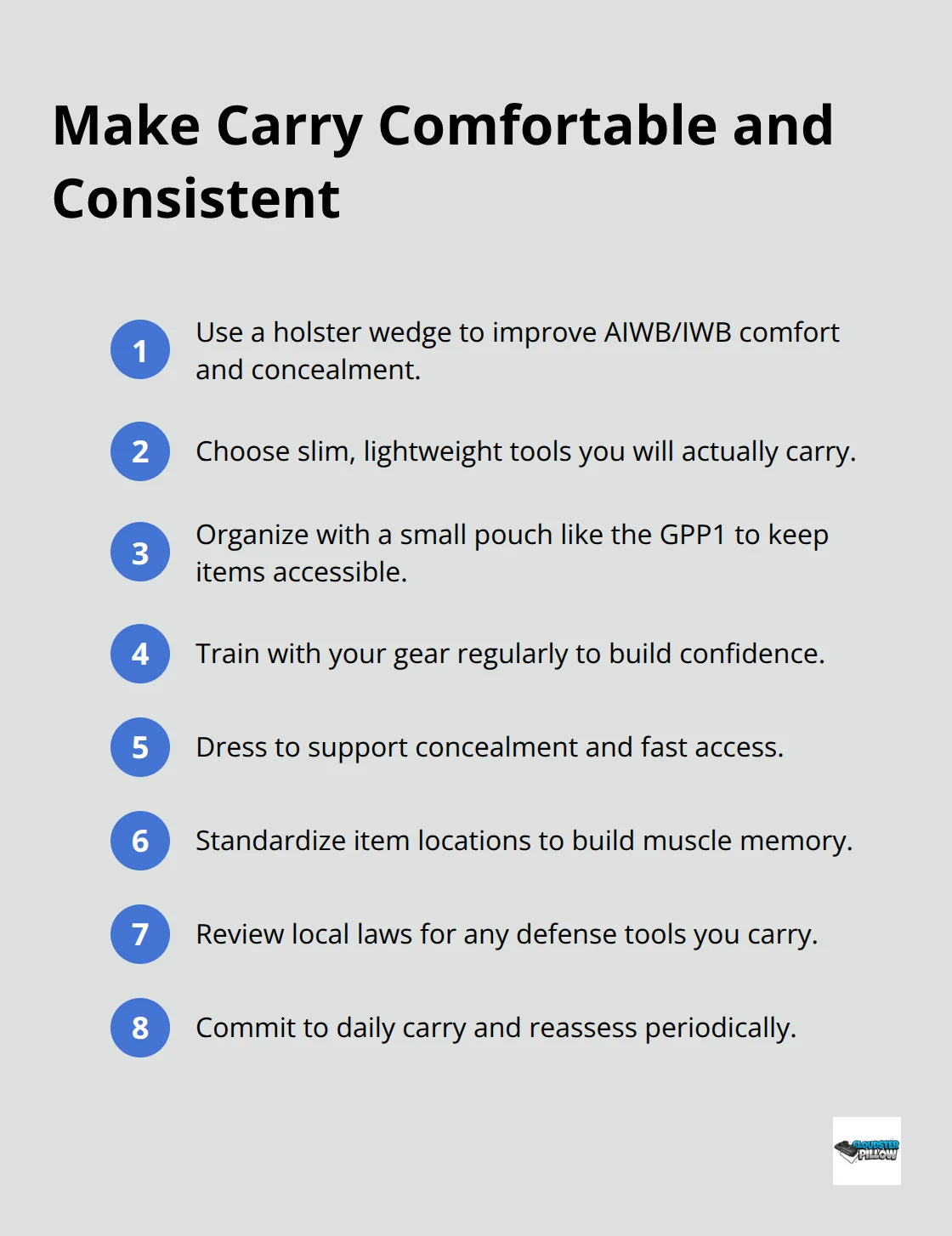
Your clothing choices restrict access to your gear. These problems compound over time until you abandon your entire EDC because the system itself works against you.
That’s why concealment comfort matters as much as the gear itself. We at Cloudster Pillow focus on eliminating that friction point because we know that even the best gear sits at home if your carry system creates discomfort. A holster wedge designed specifically for everyday carriers improves all-day concealment for AIWB and IWB setups without requiring you to replace your existing holster, making consistency actually achievable.
Final Thoughts
The EDC gear meaning most people miss is this: your equipment matters far less than the mindset driving your decisions. Concealed carriers grasp this faster than anyone because they’ve already committed to carrying a firearm responsibly, which forces you to think systematically about training, local laws, and daily habits. Everything else in your EDC flows from that same principle-gear without training is just weight in your pocket.
Consistent carry builds readiness through repetition, and you develop muscle memory when you carry the same items daily. You know exactly where your flashlight sits when you need it, your multitool responds to your hand without thought, and your firearm occupies the same position in your holster every single day. This consistency removes decision-making friction during moments when you need to act fast, and it separates carriers who stay prepared from those who quit after a few weeks.
We at Cloudster Pillow understand that consistency requires comfort, because if your carry system creates pain or frustration, you’ll eventually abandon it. That’s why a holster wedge designed for everyday carriers improves all-day concealment without replacing your holster, making it easier to maintain the consistent carry that builds real readiness. Your EDC reflects your actual life and your actual commitment to preparedness.

Pingback: Pepper Spray Considerations: Choosing The Right Nonlethal Option - Cloudster Pillow