
Appendix Carry
Why Appendix Carry Is Uncomfortable (And How To Fix It)
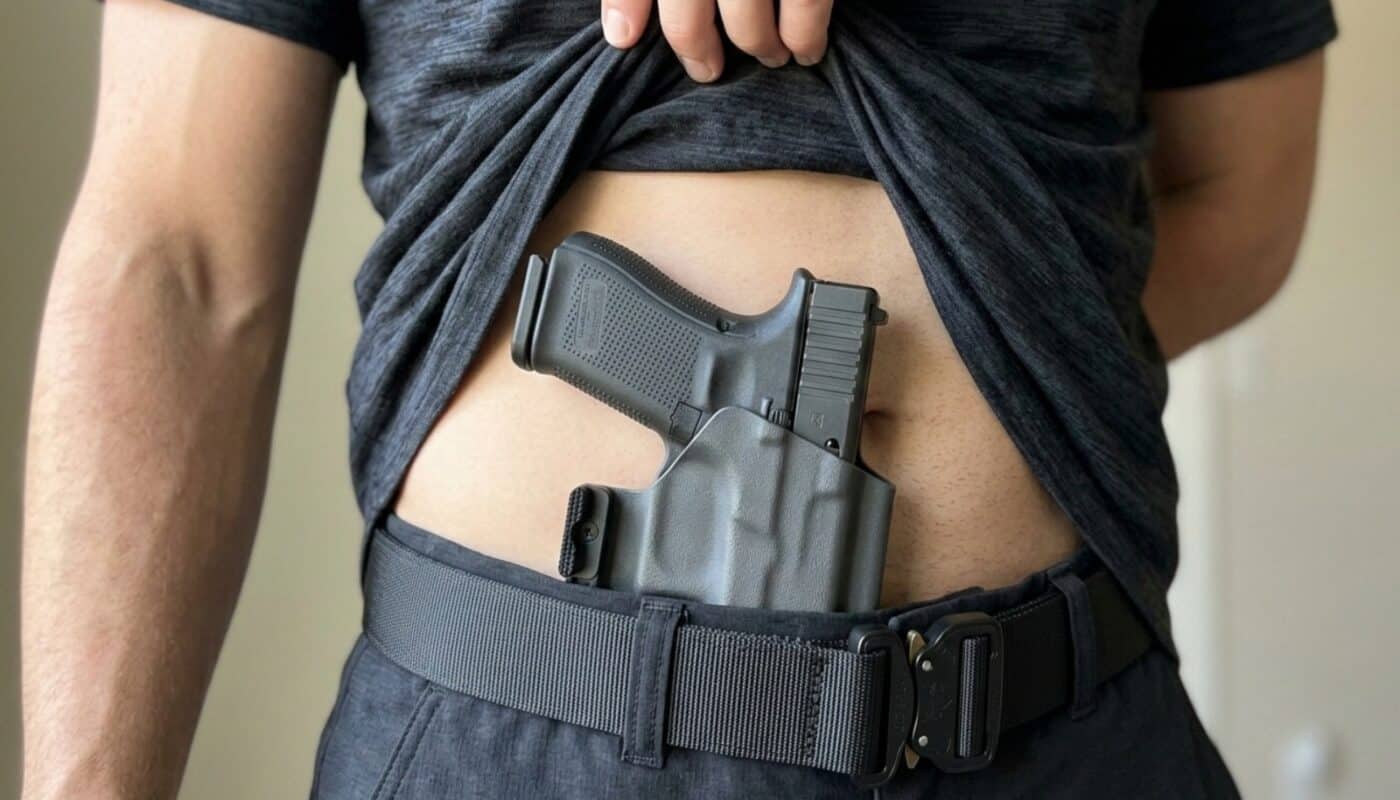
Appendix carry—often called AIWB (Appendix Inside the Waistband)—has become one of the most popular concealed carry methods among firearm owners. Many experienced carriers prefer this position because it allows for faster access to the firearm, better concealment, and stronger weapon retention compared to traditional hip carry.
Despite these advantages, many people who try appendix carry for the first time quickly notice something frustrating: it can feel uncomfortable.
Sitting, bending, or even walking can sometimes cause the holster to press into the body, creating pressure or irritation. For new carriers especially, this can make appendix carry seem impractical for everyday use.
The good news is that appendix carry discomfort is extremely common—and in most cases it’s caused by simple setup issues that can be fixed.
With the right adjustments and equipment, appendix carry can become one of the most comfortable and practical ways to carry a firearm.
In this guide, we’ll explain why appendix carry sometimes feels uncomfortable and what you can do to fix it.
Understanding the Appendix Carry Position
Appendix carry places the firearm inside the waistband at the front of the body, typically between the 12 o’clock and 2 o’clock positions.
This carry position offers several major advantages:
-
Faster draw speed compared to hip carry
-
Easier concealment with proper clothing
-
Better weapon retention during close contact
-
Improved access to the firearm while seated
Because the firearm sits in front of the body, the carrier can maintain better awareness and control over the weapon.
However, the front of the body is also an area where pressure points are more noticeable. If the holster or firearm isn’t positioned properly, the muzzle end of the holster may press into the pelvis or stomach.
Modern carry systems such as the Phlster Enigma holster system are designed to improve flexibility and comfort for appendix carry, but proper setup is still essential.
Common Reasons Appendix Carry Is Uncomfortable
Appendix carry discomfort usually comes from a few specific problems. Identifying these issues is the first step toward creating a more comfortable setup.
1. The Holster Is Digging Into Your Body
One of the most common complaints from appendix carriers is that the holster digs into the pelvis or groin area, especially when sitting.
This usually happens when:
-
The holster is too long
-
The ride height is incorrect
-
The holster lacks padding
-
The firearm angle is incorrect
When you sit down, your body naturally bends slightly at the waist. If the holster doesn’t distribute pressure correctly, the bottom of the holster can push inward and create an uncomfortable pressure point.
2. The Holster Wasn’t Designed for Appendix Carry
Not every holster is designed specifically for appendix carry.
Some holsters are originally designed for traditional inside-the-waistband carry at the hip but are marketed as AIWB holsters.
These holsters often lack features that improve appendix carry comfort, such as:
-
Adjustable ride height
-
Concealment claws or wings
-
Rounded edges
-
Compatibility with wedges
A well-designed appendix holster helps distribute pressure evenly and keeps the firearm positioned correctly against the body.
If you’re unsure what features matter most, this AIWB holster guide explains how to choose the right setup.
3. Firearm Size and Shape
The size of your firearm can also influence how comfortable appendix carry feels.
Larger handguns with longer slides can create more pressure against the body when sitting or bending.
Compact pistols are often easier to conceal and more comfortable for daily carry.
For example, many carriers find that learning best Glock 43X holsters properly improves comfort significantly because positioning and holster selection play a major role.
Slim pistols are also popular for appendix carry. Many concealed carriers choose setups built around the best Glock 43X holsters because they are easier to conceal and lighter for everyday carry.
4. Poor Belt Support
A quality gun belt plays a major role in appendix carry comfort.
If your belt is too loose, the holster may shift throughout the day. This movement creates friction and pressure against the body.
If the belt is too tight, it can push the firearm into your body and increase discomfort when sitting.
A proper concealed carry belt stabilizes the holster and distributes the weight of the firearm evenly around the waist.
5. Incorrect Carry Position
Another common issue is simply carrying in the wrong position.
Many people start carrying directly at the 12 o’clock position, but this may not be the most comfortable location for every body type.
Moving the holster slightly to the side—such as 12:30, 1:00, or 1:30—can often eliminate pressure points and improve comfort.
Small adjustments of even an inch can make a noticeable difference.
6. Body Type Differences
Every body type is different, which means appendix carry setups should be adjusted accordingly.
For example:
-
People with a larger stomach may experience pressure from the grip of the firearm
-
Lean body types may feel sharper pressure from the holster edges
-
Shorter torsos may notice more muzzle pressure when sitting
Finding the right holster position, ride height, and accessories helps customize the setup for your body.
How To Fix Appendix Carry Discomfort
Fortunately, most appendix carry discomfort can be solved with a few simple adjustments.
Use a Holster Wedge
One of the most effective ways to improve appendix carry comfort is by using a holster wedge.
A wedge sits between the holster and the body and changes the angle of the firearm slightly. This helps distribute pressure across a larger surface area and prevents the holster from digging into the body.
A wedge helps by:
-
Tilting the grip inward for better concealment
-
Reducing pressure from the holster muzzle
-
Improving comfort when sitting or bending
Comfort accessories like the Cloudster Pillow holster wedge create a soft cushion between the holster and your body while helping rotate the firearm inward for better concealment.
Adjust Ride Height
Ride height determines how high or low the holster sits on your waistband.
If the holster sits too low, the muzzle may dig into your pelvis. If it sits too high, the firearm may feel unstable or harder to conceal.
Most modern appendix holsters allow ride height adjustments so you can find the most comfortable position.
Adjust Your Carry Position
As mentioned earlier, moving the holster slightly to the side can dramatically improve comfort.
Try experimenting with positions such as:
-
12:30
-
1:00
-
1:30
Small adjustments can significantly reduce pressure points.
Choose the Right Clothing
Clothing also affects appendix carry comfort.
Tighter pants and belts can press the firearm into your body and increase discomfort. Slightly looser clothing generally works better for concealed carry.
Some carriers also prefer pants with a slightly higher waistline because they support the holster more naturally.
Break In Your Carry Setup
Just like a new pair of boots, your carry setup may take some time to feel natural.
Your body gradually adjusts to the position of the holster, and small tweaks to your setup can make a big difference.
Spend time experimenting with:
-
Belt tightness
-
Holster position
-
Ride height
-
Wedge placement
Most people find a comfortable configuration after a few days of adjustment.
Final Thoughts
Appendix carry offers several important advantages for concealed carriers, including faster draw speed, strong concealment, and improved weapon retention.
However, many people experience discomfort at first because their holster setup isn’t optimized correctly.
Most appendix carry problems come from a few common issues:
-
Poor holster design
-
Incorrect positioning
-
Lack of pressure distribution
-
Improper belt support
By choosing the right equipment and making small adjustments, appendix carry can become comfortable enough for everyday use.
With the right setup—and accessories like holster wedges—appendix carry can provide an excellent balance of comfort, concealment, and accessibility.
FAQs
Why does appendix carry feel uncomfortable when sitting?
Appendix carry can feel uncomfortable when sitting because the bottom of the holster may press into the pelvis or stomach. This usually happens when ride height or positioning needs adjustment.
Is appendix carry comfortable for everyday carry?
Yes. With the right holster, belt support, and positioning, appendix carry can be comfortable for daily carry.
What is the best position for appendix carry?
Most people find positions between 12:30 and 1:30 to be the most comfortable.
Do holster wedges improve appendix carry comfort?
Yes. Holster wedges help distribute pressure more evenly and tilt the firearm inward for better concealment.
Which firearms are best for appendix carry?
Compact and slim pistols are often easier to conceal and more comfortable for appendix carry.
