
Uncategorized
Holster Selection Guidance: Choosing Comfort and Compliance
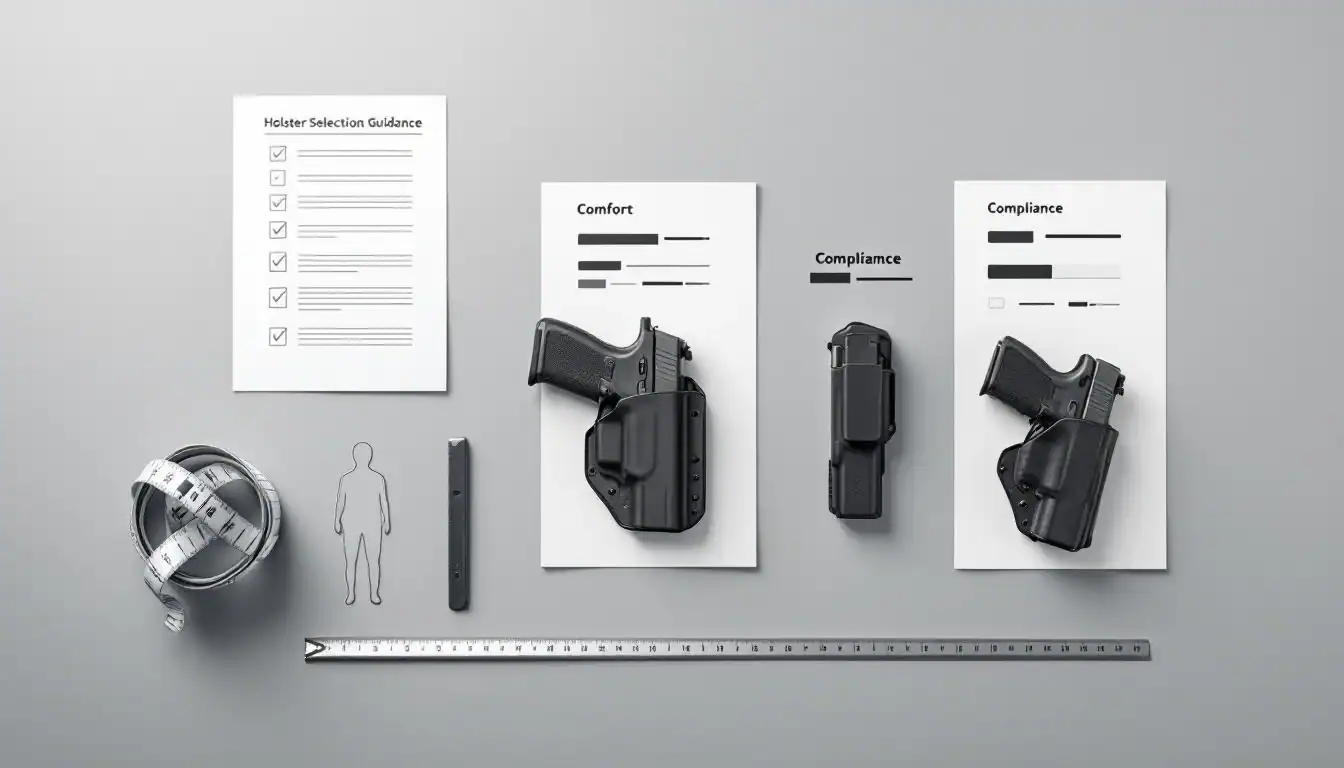
Picking the wrong holster can turn daily carry into a painful, frustrating experience. The right holster selection guidance makes all the difference between a setup you’ll actually wear and one that collects dust in a drawer.
At Cloudster Pillow, we’ve seen countless carriers struggle because they didn’t match their holster to their lifestyle, body type, and firearm. This guide walks you through the decisions that matter most.
What Lifestyle Factors Shape Your Holster Choice
Your daily routine determines everything about holster selection. A desk worker spending eight hours sitting faces completely different demands than someone in construction or law enforcement who moves constantly throughout the day.

Sitting compresses your torso and pushes the holster into your side-this is where many carriers experience the worst discomfort. If you spend most of your day sedentary, you can prioritize a holster with a lower ride height and minimal cant angle because draw speed matters less than eliminating pressure points during extended sitting. Active carriers who run, bend, and climb need holsters with secure retention and a higher ride to prevent shifting. The USCCA reports that over 500,000 members actively train and carry, and their feedback consistently shows that lifestyle alignment prevents the most common complaints about comfort and printing.
Your Carry Position Sets Everything Else
AIWB (appendix inside-the-waistband) and IWB (inside-the-waistband at the hip) represent fundamentally different carrying experiences, and your body type should dictate which works for you. AIWB positions the gun at your front waistline and works best for slimmer builds with moderate to small firearms. It offers the fastest draw access and excellent concealment under most clothing, but it requires a specific body geometry to avoid constant pressure during sitting. IWB at the 3 o’clock to 5 o’clock position suits a wider range of body types and activity levels. Most carriers find 4 o’clock optimal for comfort because it sits naturally against your hip and doesn’t dig in when you bend or sit. Real-world testing from concealed carry communities shows that larger-framed carriers often abandon AIWB within weeks because the gun digs into their abdomen when seated, while the same carriers thrive with a 4 o’clock IWB setup paired with the right holster design. Test both positions with an unloaded firearm or training tool before you commit to a holster purchase-what works on paper fails when you actually wear it for eight hours.
Firearm Specs Drive Holster Specifications
Your gun’s size and weight directly impact comfort and retention requirements. A Sig Sauer P365XL creates entirely different comfort challenges than a full-size Glock 17 because of weight distribution and how the grip protrudes above the holster line. Larger, heavier pistols need holsters with stronger backing material and better weight distribution to prevent sagging and shifting throughout the day. Smaller, lighter guns allow more flexibility in holster design and positioning. If you’re still choosing your firearm, test-carry a rental or friend’s gun in different holster positions before you buy. Many beginners purchase a holster first, then buy a gun that doesn’t fit properly, forcing an expensive second purchase. The fit must be precise-a holster molded for a Walther PDP won’t retain a Glock G43 securely, regardless of the holster’s quality. Account for optics and light attachments too, as these add bulk and change how the holster sits against your body. A quality holster specifically molded for your exact firearm configuration eliminates the guesswork and prevents the comfort problems that come from poor retention or shifting during movement.
Material Quality Affects Daily Comfort
Kydex and leather each present distinct advantages and tradeoffs that impact how your holster feels throughout the day. Kydex offers rigid, consistent retention and requires minimal break-in time, but it can create pressure points if the design doesn’t match your body contours. Leather provides comfort and aesthetics while breaking in for a custom fit, yet it requires maintenance and may be heavier than Kydex. Hybrid designs (Kydex shell with leather backing) attempt to balance both benefits, though they cost more and add complexity. Your body type and daily activities should guide this choice-active carriers often prefer Kydex for its durability and consistent performance, while desk workers may find leather’s comfort advantage worth the break-in period. Test the material against your actual clothing and skin during real-world conditions before you invest in a full setup.
Retention and Fit Determine Long-Term Satisfaction
A holster that retains your firearm securely but allows a smooth draw separates quality designs from frustrating compromises. Poor retention causes the gun to shift during movement, creating discomfort and printing issues that force constant adjustment. Excessive retention makes the draw feel sluggish and can cause binding if you practice with the holster regularly. The holster mouth shape, backing material thickness, and clip or loop design all influence how well your specific firearm sits and how easily you can access it. A holster molded precisely for your gun model ensures proper fit without gaps or movement. Test your draw and reholster motion multiple times in the actual carry position you plan to use-standing, sitting, and moving-before you commit to daily carry. This real-world testing reveals comfort issues and retention problems that static reviews never capture.
Your firearm choice and body type now set the stage for understanding which materials and designs actually work for your situation. The next section explores the specific features that separate comfortable, reliable holsters from those that create daily frustration.
What Makes a Holster Actually Comfortable
Kydex dominates the market because it delivers rigid, predictable retention without break-in time, but this rigidity creates pressure points that most manufacturers ignore. The material doesn’t conform to your body-your body has to conform to the holster. Kydex is completely waterproof and sweat-proof, and it won’t absorb odors or rot, making it a durable choice for daily carry. Many carriers experience hotspots along the sides or back where the kydex digs in during extended sitting, especially at 4 o’clock carry positions. Leather offers superior comfort during the wear-in period because it gradually molds to your body shape, but it demands regular maintenance and can sag under the weight of heavier firearms.
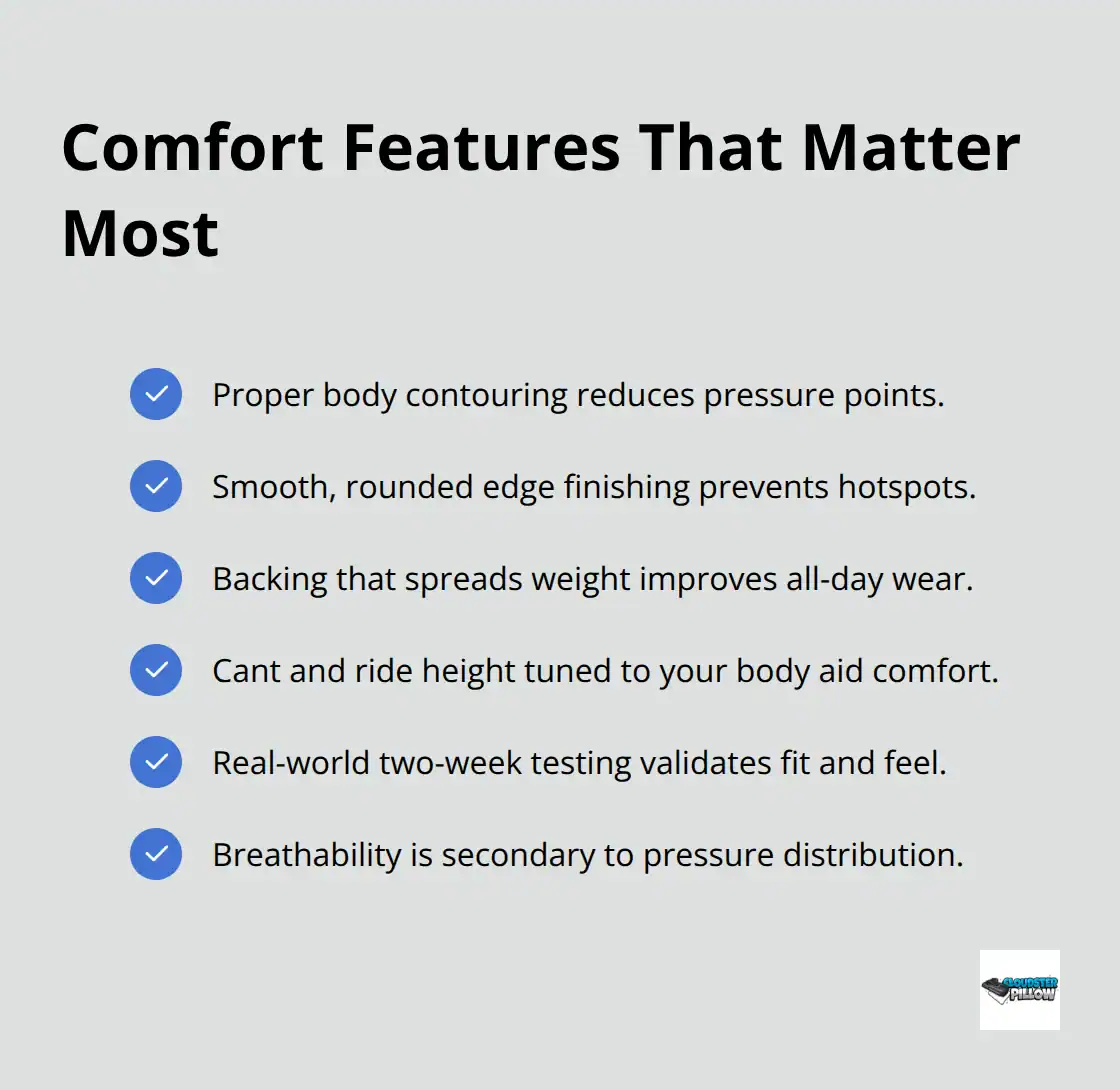
Hybrid designs pair a kydex shell with leather backing to address both concerns, yet they cost significantly more and add unnecessary complexity for most carriers. The real solution isn’t choosing between materials-it’s selecting a holster with proper body contouring that matches your specific torso shape. Test your holster for at least two weeks in your actual daily environment before deciding it works. Sit at a desk, bend, move up stairs, and wear it under your normal clothing. A holster that feels fine standing still becomes intolerable after eight hours of real-world wear. Breathability matters less than most reviews suggest; moisture and sweat are manageable with proper belt setup and regular cleaning. What matters far more is how the holster’s edges finish and whether the backing material distributes weight across a wider area instead of concentrating pressure on a few points.
Retention Must Match Your Draw Speed and Experience Level
Retention design separates reliable carry setups from frustrating compromises that force constant adjustment throughout the day. A holster with insufficient retention allows your firearm to shift during movement, creating printing problems and forcing you to adjust your position repeatedly. Excessive retention makes drawing feel sluggish and creates binding if you practice regularly, which discourages training and reduces your actual carry readiness. The holster mouth shape determines reholstering ease-a welt around the mouth opening keeps the holster structured and open for one-handed reholstering, which is essential for real-world safety. Safariland holsters like the 575 BC model have earned their reputation because they achieve this balance without overcomplicating the design. Test your draw and reholster motion at least fifty times in your actual carry position before committing to daily use. This repeated practice reveals binding issues, printing problems, and comfort failures that static reviews never capture. Cant angle-the forward tilt of your holster-directly impacts both draw speed and retention. Around fifteen degrees of cant aids a smoother presentation and aligns your grip naturally for the draw, but excessive cant increases printing and creates discomfort during sitting. Try a standard cant of ten to fifteen degrees, then adjust based on your body type and activity level. A holster that retains your specific firearm model securely without gaps ensures consistent performance and eliminates the frustration of having to tighten or loosen retention devices constantly.
Body Contouring Separates Comfortable Holsters from Painful Ones
Generic holster designs with flat backing material concentrate all pressure on a few contact points along your ribs and hip. A properly contoured holster distributes pressure across a wider area, making all-day carry genuinely comfortable instead of a constant irritation. Drop and ride height influence both concealment and comfort dramatically-high-ride positions hide the gun better but expose more of the grip above your waistband, while lower ride heights may conceal better but can affect draw access and feel awkward during sitting. Larger-framed carriers often find that 4 o’clock IWB carry with moderate drop works better than appendix carry because the gun sits naturally against the hip without digging into the abdomen during extended sitting. Test ride height by wearing your holstered firearm for at least an hour in different positions and activities. Sit, stand, bend, and move to identify where pressure builds. The clip or loop attachment point matters significantly-clips positioned too far forward pull the holster away from your body and increase printing, while loops that are too far back concentrate pressure on your lower ribs. Your specific firearm’s weight and size directly impact which contouring design actually works. A full-size pistol needs better weight distribution than a compact, so the backing material thickness and body curve should reflect the firearm you’re carrying.
Finding Solutions Beyond Standard Holster Design
Many carriers hit a wall where their current holster provides solid retention but creates persistent discomfort during sitting or movement. Upgrading to a premium holster helps, but the cost adds up quickly when you’re testing multiple options. Comfort accessories designed to work with your existing holster can bridge this gap without forcing you to replace your entire setup. These solutions address the specific pressure points that standard holsters leave unresolved, helping you achieve better body alignment and all-day wearability. The right accessory transforms a decent holster into a genuinely comfortable carry system that you’ll actually wear every day instead of abandoning for something easier.
Mistakes That Waste Money and Compromise Safety
Price-Driven Decisions Create False Economy
The cheapest holster online rarely costs less than $40, while quality options start around $60 and solid designs sit closer to $150. Carriers often chase the lowest price and discover within weeks that their holster shifts during movement, creates uncomfortable pressure points, or fails to retain their firearm securely. A $40 holster that you abandon after two months costs far more than a $120 option you’ll actually carry for years. The real expense comes from purchasing multiple holsters to find one that works-most carriers buy at least three before settling on a setup they trust.
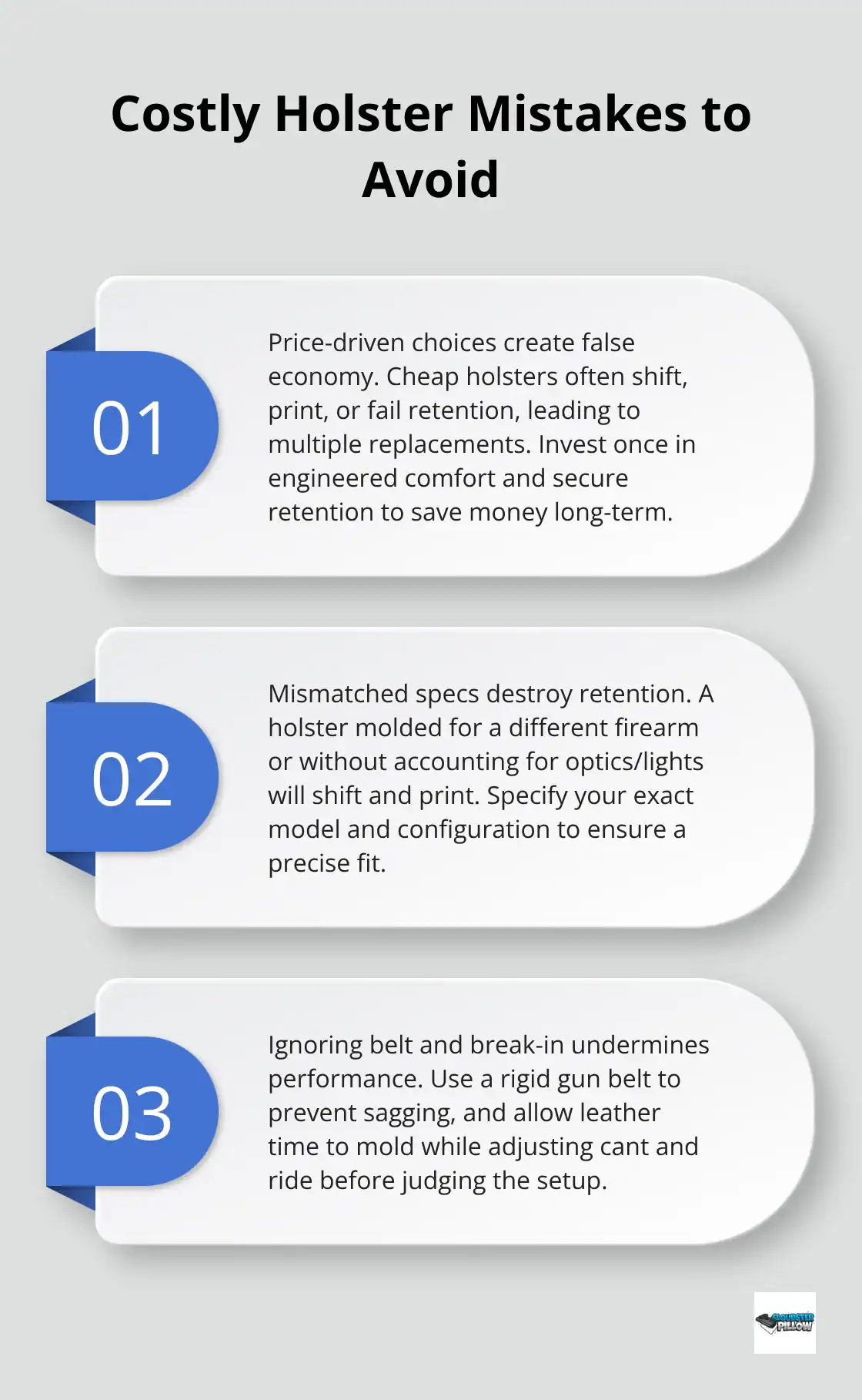
Price-driven decisions typically ignore the specific features that matter for your body type and firearm. A cheap IWB holster with flat backing material creates uncomfortable pressure points, making eight-hour workdays genuinely painful. You end up adjusting your position constantly, printing visibly through your shirt, or simply leaving it at home because the discomfort outweighs the security benefit. Quality holsters from manufacturers like Safariland invest in body contouring, reinforced retention mechanisms, and materials that actually distribute weight instead of creating hotspots. The cost difference reflects engineering that solves real comfort problems instead of ignoring them.
Mismatched Firearm and Holster Specifications Destroy Retention
Equally destructive is purchasing a holster before you own your firearm or buying a holster designed for a different gun model than what you actually carry. A holster molded for a Glock G43 will not retain a Sig Sauer P365XL securely, no matter how well-designed the overall holster is. Gaps between the firearm and holster interior create shifting during movement, which destroys both comfort and concealment. Many beginners buy a popular IWB holster they read about online, then purchase a different gun than the one the holster was designed for, forcing an expensive second purchase.
The solution is straightforward: test-carry your actual firearm in different holster positions before you commit to a purchase. Rent a gun at your local range, borrow from a friend, or use a training tool like a SIRT pistol to evaluate how different carry positions feel during real activities. Sit at a desk for an hour, bend and move, wear it under your normal clothing. This real-world testing costs nothing and eliminates the guesswork. When you finally buy a holster, specify your exact firearm model and configuration-include any optics or light attachments that change the holster’s fit. Precision matching between your specific gun and holster design prevents the retention failures and comfort issues that force replacements.
Break-In Periods Require Patience and Proper Testing
Kydex holsters require minimal break-in, but leather holster designs need at least a week of regular wear before the material molds to your body shape and retention settles into the correct range. Many carriers wear a new leather holster for a few days, experience slightly loose retention, and assume the holster is defective when it simply hasn’t broken in yet. Patience during this adjustment period prevents abandoning a quality holster that would have performed perfectly after proper conditioning.
Kydex designs sometimes need adjustment too-your belt setup, cant angle, and ride height all influence how comfortable the holster feels. A new holster setup demands at least two weeks of daily wear in your actual environment before you judge whether it works. Test it while sitting at work, moving around your home, and wearing your normal clothing. Pressure points that feel fine standing still become intolerable after hours of real wear. If discomfort persists after two weeks of genuine daily use, then adjust the cant angle, test different ride heights, or evaluate whether your belt provides adequate support for the holster weight.
Belt Quality Determines Holster Performance and Comfort
A quality gun belt with rigid construction and strong hardware prevents sagging that creates additional pressure and printing issues. Many carriers skip the belt upgrade and blame the holster when the real problem is insufficient support from their regular pants belt. Your belt must support the weight of your firearm and holster without flexing or shifting throughout the day. A sturdy belt with reinforced loops and a strong buckle (such as Nexbelt-style ratchet designs) keeps your holster stable and prevents the sagging that multiplies pressure points against your body. The belt is not an afterthought-it’s a critical component that determines whether your entire carry setup actually works or fails within weeks.
Final Thoughts
Your holster selection guidance starts with honest assessment of your daily life, body type, and firearm specifications. A holster that works perfectly for someone else may create constant discomfort for you because carry comfort depends entirely on how well the design matches your specific situation. Test multiple positions, materials, and designs before you commit to daily wear, and invest in quality construction from proven manufacturers instead of chasing the lowest price.
Real comfort comes from matching your holster to your actual lifestyle, not to what online reviews claim works best. Sit at work, move around your home, wear your normal clothing, and identify where pressure builds and whether printing occurs. Adjust your cant angle, test different ride heights, and verify your belt provides adequate support-this real-world testing reveals problems that static reviews never capture.
We at Cloudster Pillow understand that comfort determines whether you actually carry every day or leave your holster at home. If you’ve invested in quality gear but still experience pressure points during sitting or movement, our holster wedge collection addresses these specific comfort challenges without replacing your entire holster system.
