
CCW Courses and Tips, CCW Training
Real World Training Tips: Translating Skills To Real Life Encounters
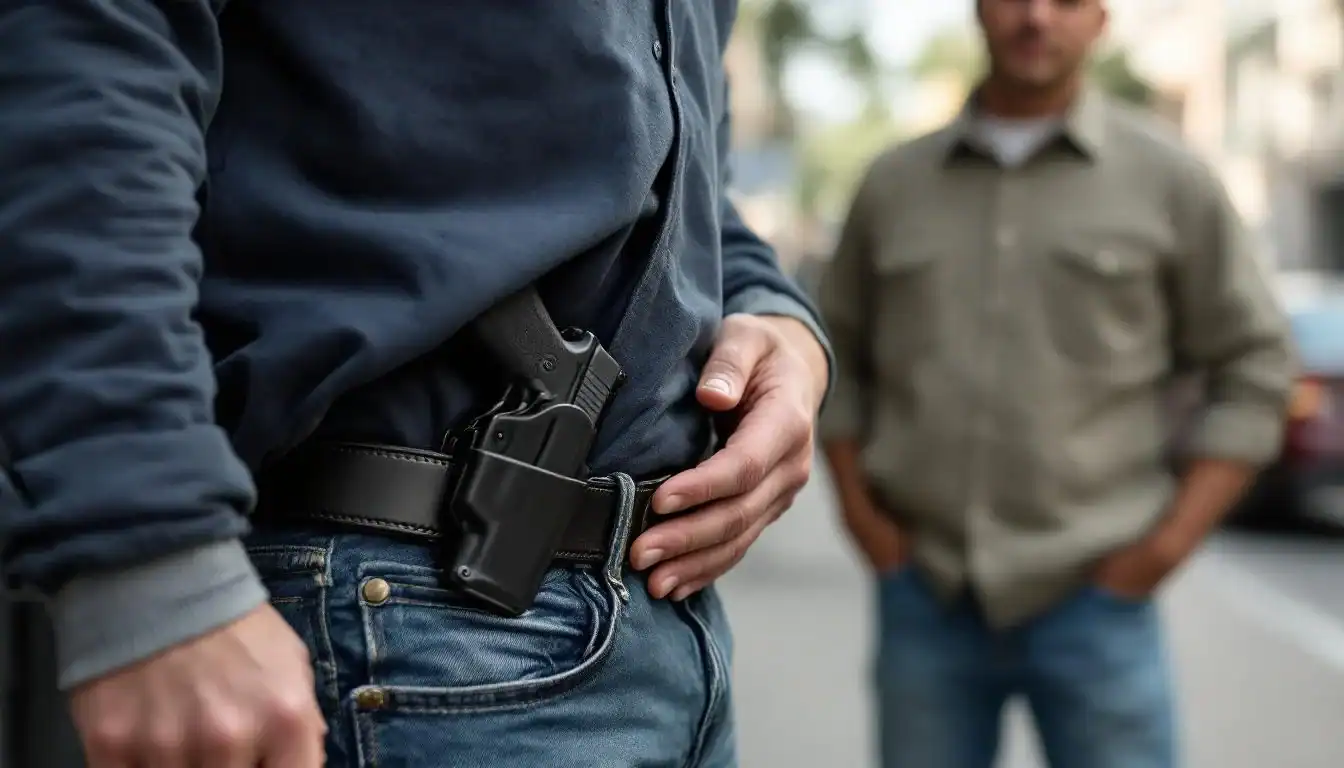
You’ve spent hours at the range perfecting your draw and grouping shots. But when the moment arrives in real life, everything changes.
At Cloudster Pillow, we know that CCW training in controlled settings rarely mirrors what actually happens when adrenaline kicks in. The gap between the range and reality is where most carriers struggle.
This post breaks down why your skills sometimes fail you and how to build training methods that actually work when it matters.
Why Your Range Performance Falls Apart Under Real Pressure
The moment stress floods your system, your brain prioritizes survival over precision. Research from the USCCA shows that most defensive encounters happen within six feet and last approximately three seconds-far different from the controlled 25-yard range where you’ve logged hundreds of rounds. At the range, you control the timing, the target stays still, and nobody’s aiming back at you. In reality, your hands shake, your vision narrows, and your fine motor skills deteriorate.
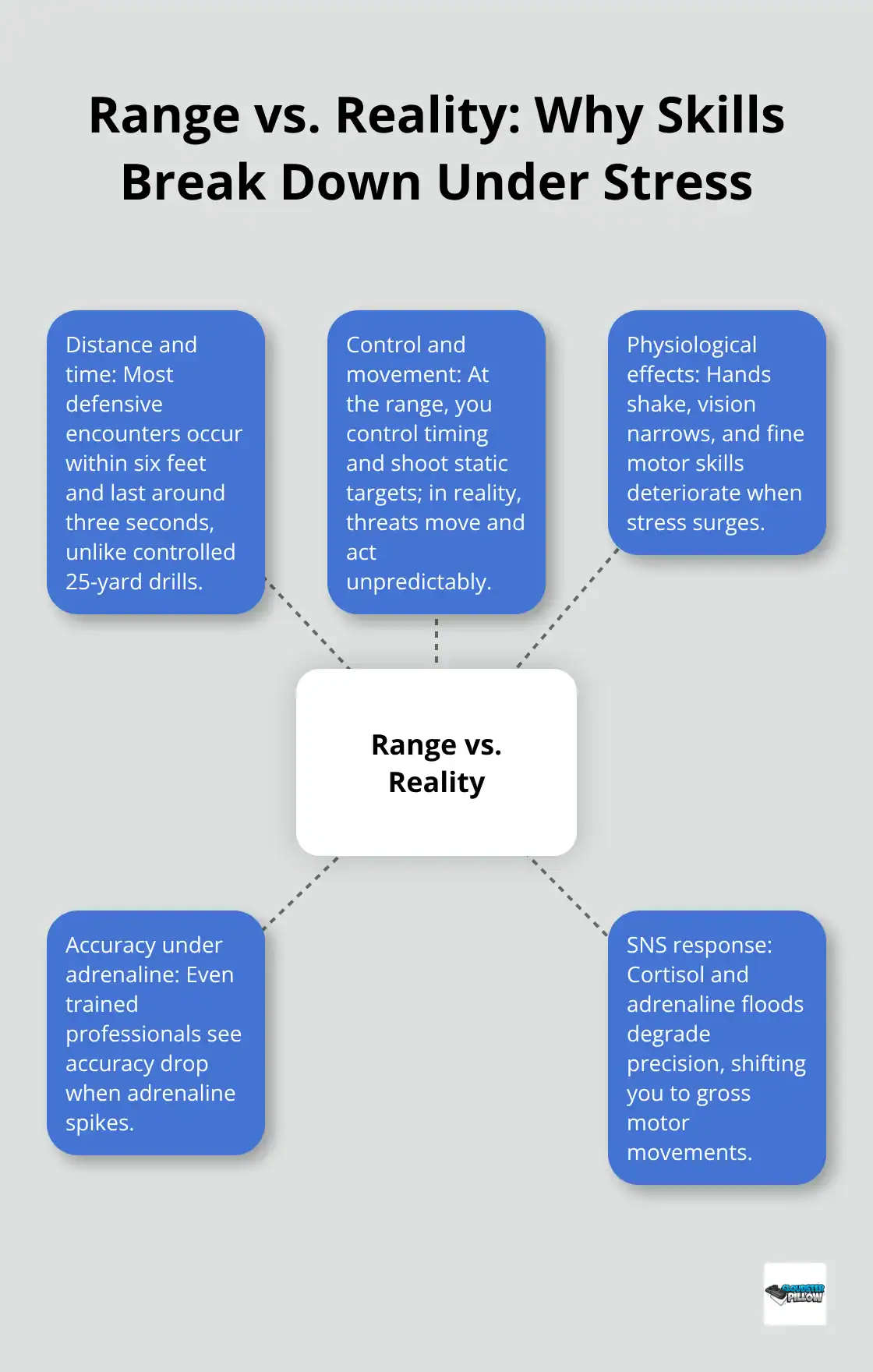
Studies on officer-involved shootings reveal that even trained professionals experience significant accuracy drops when adrenaline spikes. Your body shifts into a sympathetic nervous system response, flooding you with cortisol and adrenaline, which actually degrades the precision shooting you’ve practiced. This isn’t a weakness-it’s physiology. The gap between range performance and real encounters exists because you’ve never trained the way you’ll actually perform.
How Adrenaline Hijacks Your Body
Elevated heart rate during stress causes tunnel vision and reduced fine motor control. When your pulse exceeds 145 beats per minute, your body naturally abandons complex motor skills and defaults to gross motor movements. This means your carefully practiced trigger press becomes a jerky, inaccurate squeeze. Force on Force training exposes carriers to realistic stress through role players and simunition guns-creating genuine pressure without live ammunition. Participants consistently report that their first Force on Force experience reveals massive gaps between what they can do at the range and what they actually execute under threat. Your draw speed, accuracy, and decision-making all suffer when you’re genuinely afraid. Most carriers train only static target work, never addressing how their body responds when someone advances toward them or when they must move while engaging. The solution isn’t more range time-it’s stress-inoculation training that teaches your nervous system to function under pressure.
Training Mistakes That Reality Exposes
Most carriers focus exclusively on marksmanship accuracy at comfortable distances, ignoring the reality that real encounters demand speed, movement, and positioning. You might shoot a perfect group at 15 yards, but in a genuine threat scenario, you’ll need to draw from concealment, move off the line of attack, and engage within seconds while your hands shake. Many carriers also neglect de-escalation and threat assessment skills, jumping straight to the shooting response. The USCCA framework emphasizes Recognize, Assess, De-escalate, and Report-yet most training programs skip the first three steps entirely. Another critical mistake: practicing only from a static stance. Real life requires you to move, create distance, use cover, and make decisions while your body’s already in motion. Scenario-based training that mirrors actual threat contexts reveals these gaps immediately. Carriers who’ve trained only traditional drills often freeze or hesitate during force-on-force exercises because they’ve never made split-second decisions under genuine pressure. Your comfort and confidence directly impact how you perform when it matters-which is why the next section addresses how to build practical skills that actually work when pressure arrives.
Building Practical Skills That Actually Work
Scenario-based training forces your nervous system to adapt to pressure in ways traditional range work never will. When you train with role players and simunition, your brain processes real-time decisions, movement, and threat assessment simultaneously-exactly what happens in an actual encounter. The USCCA reports that carriers who complete force-on-force training identify critical gaps in their draw speed, positioning, and decision-making within the first few scenarios. This isn’t theoretical feedback; it’s immediate, visceral recognition that your static range drills haven’t prepared you for dynamic threat situations. Start with micro-scenarios that last 10 to 30 seconds, focusing on specific decision points like recognizing a threat, moving off the line of attack, and engaging from concealment. Progress to longer branching scenarios where your choices lead to different outcomes, forcing you to think critically about de-escalation, positioning, and when to draw. Many carriers avoid this type of training because it’s uncomfortable, but that discomfort is exactly what builds genuine readiness. Your muscle memory needs stress exposure to function reliably. Without it, your body defaults to panic responses rather than trained actions.
How Stress Changes What Your Body Can Do
Your nervous system requires specific conditioning to maintain fine motor skills under threat. Research shows that officers trained in stress-inoculation scenarios perform significantly better under pressure than those trained only in static environments. This means you need training that deliberately increases your heart rate, creates time pressure, and adds realistic consequences to your decisions. Audio-driven scenarios with timers and scoring elements can replicate real-world pressure without the cost of full force-on-force programs. Tactical Combat Casualty Care training, a standard used across military and law enforcement, teaches you to perform critical motor skills while genuinely stressed-a model worth adopting for your own practice.
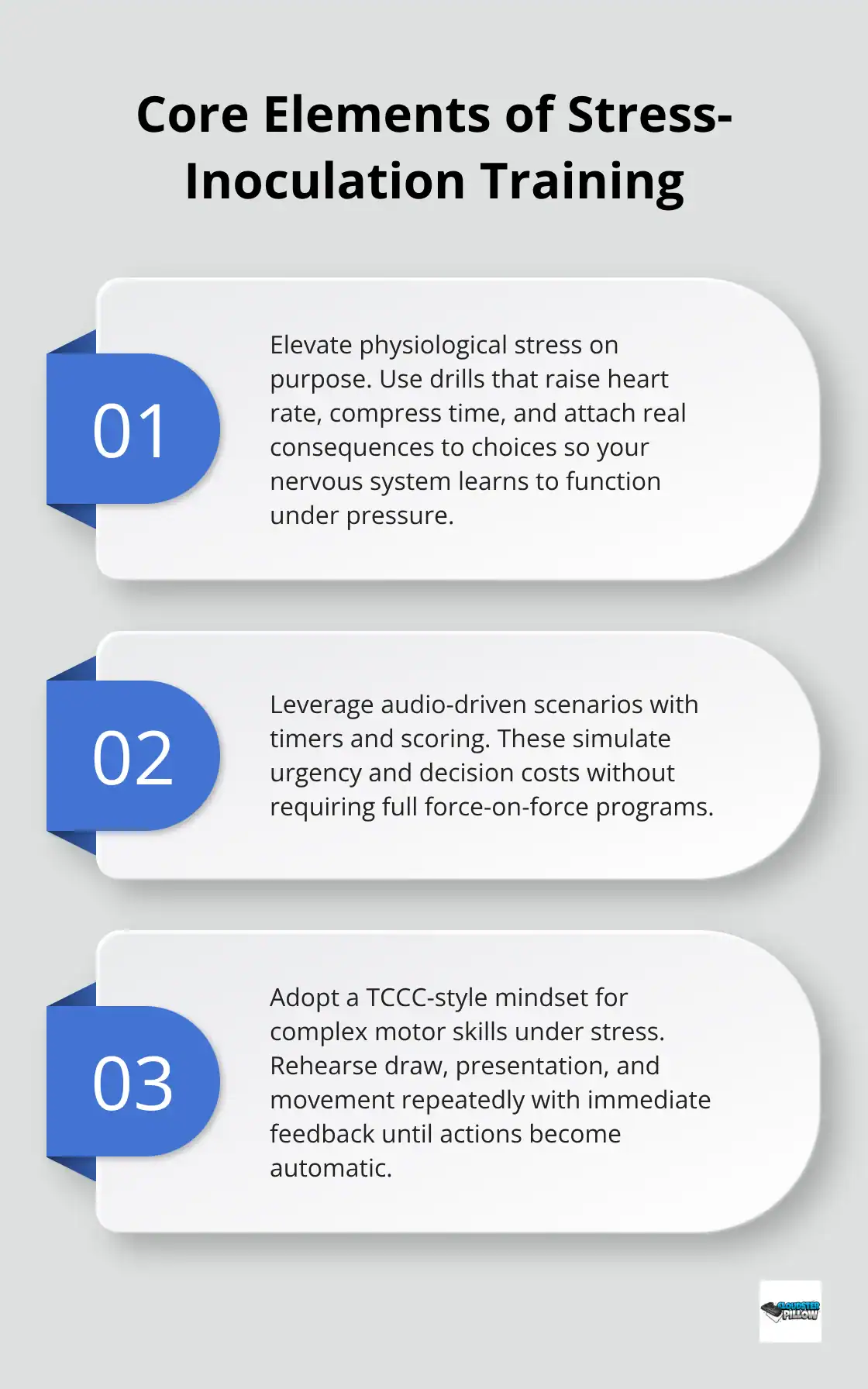
Your draw, presentation, and movement patterns must be rehearsed under elevated stress repeatedly until they become automatic. This happens through consistent, progressive exposure to scenarios where mistakes have immediate feedback, not through additional range time shooting perfect groups at stationary targets.
Positioning and Movement During Your Daily Carry
Real encounters demand that you move, create distance, and position yourself strategically-skills completely absent from traditional range training. Your daily carry setup directly impacts your ability to execute these movements. When you carry appendix inside-the-waistband, your draw and movement mechanics differ significantly from strong-side carry, and most carriers practice only one position. Spend time training your draw from different body positions: seated, moving backward, moving laterally, and while addressing multiple angles. Your holster’s fit and stability matter enormously here; a holster that shifts or rotates during movement forces you to adjust your presentation, costing critical seconds. Test your carry setup by moving aggressively, drawing repeatedly, and repositioning your holster until it stays absolutely stable. Poor positioning during your draw translates directly to slower presentations and reduced accuracy when pressure arrives. Train movement patterns where you step off the line of attack while drawing, engage your target while moving, and create distance after engagement. These aren’t advanced skills-they’re foundational for anyone carrying daily. Many everyday carriers find that dry fire practice improves stability and confidence during these dynamic movements without requiring extensive range time.
Progressive Scenario Training Builds Real Competence
Start simple and add complexity as your stress response improves. Your first scenarios should isolate single decisions: Do you draw or de-escalate? Do you move left or right? As your nervous system adapts, layer in multiple simultaneous demands-movement, communication, positioning, and weapon presentation all happening at once. This progressive approach mirrors how your brain actually learns under pressure. Each scenario should end with immediate feedback that connects your choices to outcomes, not just whether you hit your target. Did your positioning leave you exposed? Did you hesitate on the draw? Did your de-escalation attempt work or escalate the situation further? This feedback loop trains your decision-making, not just your marksmanship. Most carriers who transition from static range training to scenario work report that their first few force-on-force sessions expose gaps they never knew existed. That’s the point. Real training reveals what you actually need to work on, rather than reinforcing what you’re already good at. Your readiness depends on honest assessment of your performance under genuine stress, which leads directly into how you prepare your mind for the decisions that matter most.
Mental Preparation and Mindset for Real-World Readiness
Your decision-making under pressure happens in milliseconds, and most carriers never train this specific skill. The moment you perceive a threat, your brain must process information, assess lethality, decide on a response, and execute an action-all while your sympathetic nervous system floods your body with stress hormones that degrade cognitive function. Research from the USCCA framework shows that the four-step approach-Recognize, Assess, De-escalate, and Report-requires deliberate mental rehearsal to execute reliably when adrenaline spikes. Most carriers skip this entirely, focusing only on the shooting portion. This is backwards. Your decision-making determines whether you draw at all, and poor decisions under pressure cost lives.
Understanding Decision-Making Under Pressure
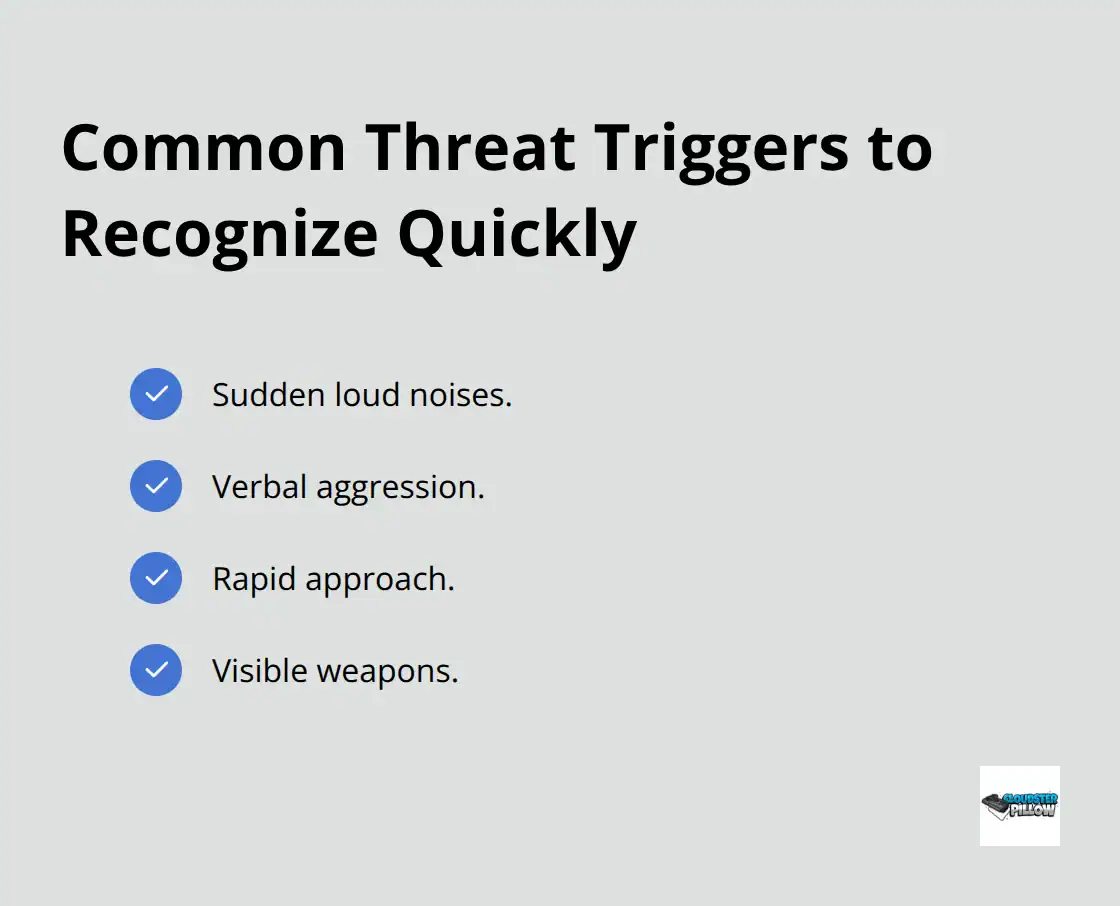
Start by identifying your personal threat triggers before they occur. What behaviors, statements, or physical cues would force you to assess someone as genuinely dangerous? Stressors like sudden loud noises, verbal aggression, rapid approach, or visible weapons demand immediate recognition. Write these down.
Test yourself by reviewing videos of real altercations and deciding at what point you would have drawn, de-escalated, or disengaged. This mental rehearsal primes your brain to recognize patterns faster when real pressure arrives.
Your brain processes threat pattern recognition faster when you’ve already decided how to respond. Developing the right mindset for carrying emphasizes that most carriers train only the shooting response, ignoring the assessment and de-escalation steps that happen first. Your personal readiness plan must include specific decision rules for different scenarios: If someone approaches from behind while you’re seated, you move and create distance before assessing further. If someone shouts threats but hasn’t advanced, you attempt de-escalation while positioning yourself for quick access to your holster. If someone draws a weapon, you’ve already decided whether your carry position and environment allow for a defensive response or immediate escape. These aren’t theoretical exercises-they’re mental patterns that fire faster under stress because you’ve practiced them repeatedly in calm conditions.
Creating a Personal Readiness Plan
Consistent refinement of your actual carry setup directly impacts your decision speed and execution quality. A holster that shifts during movement forces you to readjust your presentation, costing critical time your brain could spend on threat assessment. Test your setup by moving dynamically-walk quickly, turn, bend, and draw repeatedly from your normal carry position-and mark exactly where your holster settles. If it rotates or rides higher after movement, your draw presentation changes, and you’ll compensate unconsciously during real stress, degrading accuracy.
Your carry position must feel stable and predictable enough that your muscle memory fires without conscious thought. Many carriers find that holster wedges eliminate the micro-adjustments that waste mental energy during training and real encounters. Your readiness plan should include monthly dry fire sessions focused specifically on decision-making, not marksmanship. Spend 10 minutes visualizing threat scenarios before you even touch your firearm-see yourself recognizing a threat, assessing it, making a decision, and executing your response. Then physically rehearse that same scenario 10 times from your normal carry setup.
Consistent Practice and Refinement of Your Carry Setup
This combination of mental visualization and physical rehearsal builds decision speed far more effectively than additional range time. Track which scenarios cause hesitation or confusion, then focus additional practice on those specific decision points. Your confidence under pressure depends on having made these decisions repeatedly in calm conditions, so your brain defaults to trained responses rather than panic.
Test your carry setup monthly by moving aggressively, drawing repeatedly, and repositioning your holster until it stays absolutely stable. Poor positioning during your draw translates directly to slower presentations and reduced accuracy when pressure arrives. Your readiness plan must account for how your specific carry position affects your draw mechanics, movement capability, and access speed. When your holster stability remains consistent throughout dynamic movement (whether you carry appendix or strong-side), your presentation becomes automatic, freeing your mental resources for threat assessment and decision-making. This stability matters far more than most carriers realize-it’s the difference between executing trained responses and improvising under stress. A quality holster and belt work together to provide the foundation for reliable performance, and the Cloudster Pillow holster wedge enhances this stability while improving concealment and comfort during extended carry at https://cloudsterpillow.com/holster-wedge/.
Final Thoughts
The gap between range performance and real-world readiness closes through deliberate, progressive training that addresses stress response, decision-making, and physical execution simultaneously. Scenario-based training, stress inoculation, mental rehearsal, and consistent refinement of your carry setup work together to build genuine competence under pressure. CCW training that matters combines marksmanship with movement, decision-making with muscle memory, and mental preparation with physical practice.
Your confidence under pressure depends directly on how comfortable you feel carrying daily. When your holster shifts during movement, your draw presentation changes, forcing your brain to compensate consciously instead of executing trained responses automatically. Stability in your carry setup eliminates these micro-adjustments, allowing your nervous system to default to trained patterns when adrenaline spikes. We at Cloudster Pillow designed our holster wedge specifically for everyday carriers who understand that comfort and concealment directly impact performance.
Commit to monthly scenario-based training that forces real decisions under stress, consistent dry fire practice focused on threat recognition, and honest assessment of your carry setup’s stability during aggressive movement. Test your holster monthly by drawing repeatedly while moving, and adjust until it stays absolutely stable. This foundation-comfortable, confident, consistent carry combined with progressive stress-inoculation training-separates carriers who perform when it matters from those who freeze, and enhanced holster stability improves your daily carry experience while supporting your training goals.
