Home Defense, Uncategorized
Home Defense Tips Every Concealed Carrier Should Master
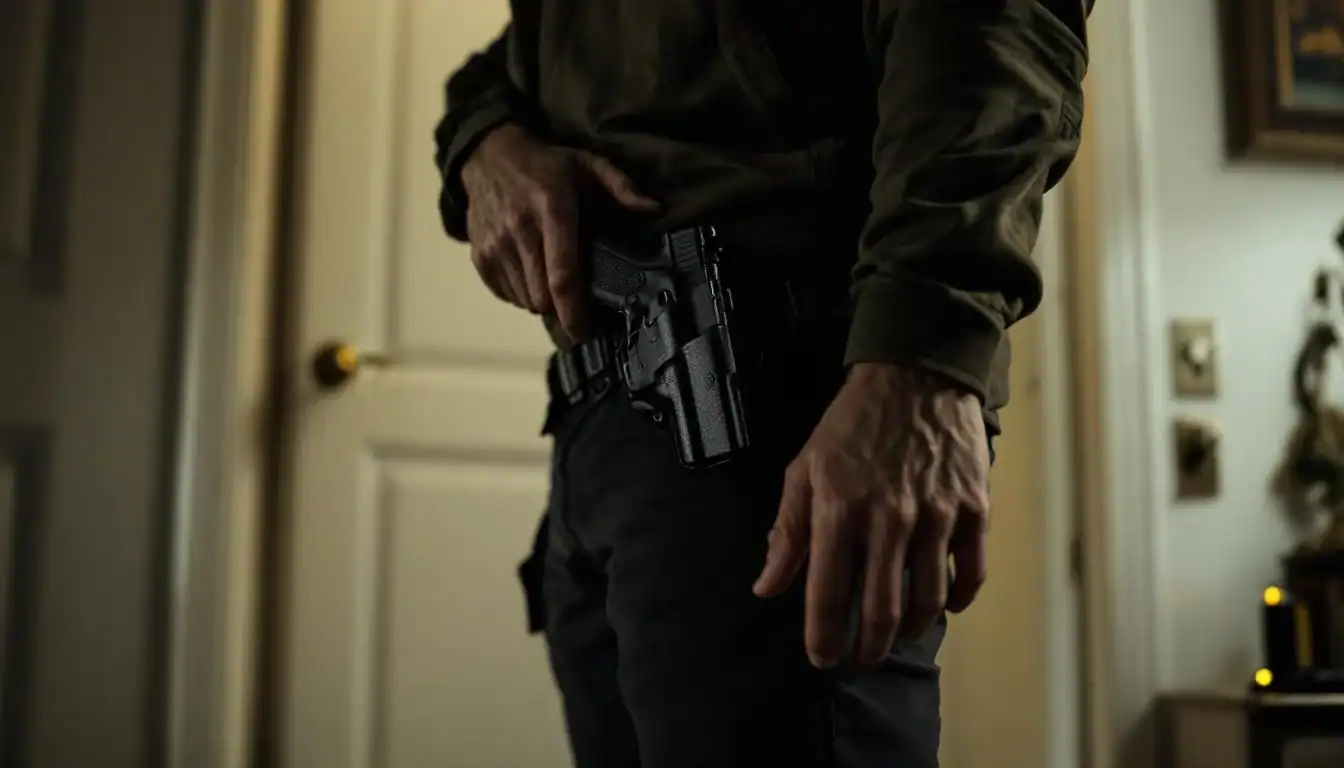
 Your home is your safest space-until it isn’t. As a concealed carrier, you already understand the responsibility of carrying a firearm, but home defense tips go far beyond just having a gun within reach.
We at Cloudster Pillow believe that true security starts with a solid plan. This guide walks you through the fundamentals every CCW holder needs to master, from securing your perimeter to maintaining quick access when it matters most.
Building a Home Defense Foundation
Securing Your Perimeter and Entry Points
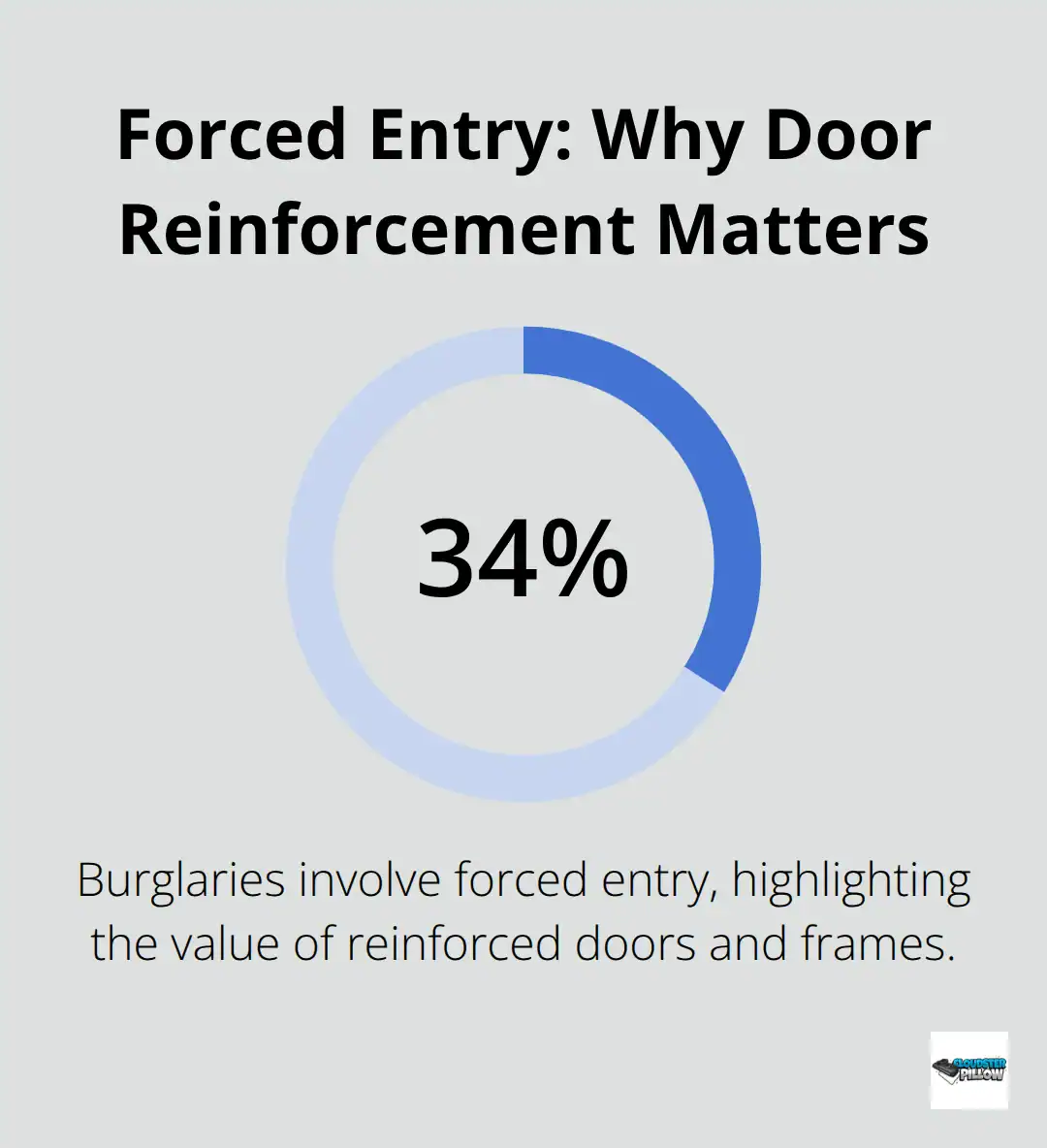
Your perimeter is your first line of defense, and most home invasions happen through doors and windows that lack basic security. Install deadbolts on all exterior doors-not chain locks, which splinter under force-and reinforce door frames with three-inch screws that reach the structural studs behind the trim. According to the Bureau of Justice Statistics, about 34 percent of burglaries involve forced entry, which means a solid door frame stops most casual threats immediately. Sliding glass doors need secondary locks or bars because standard latches fail under pressure; a simple dowel rod in the track costs nothing and works.
Motion-sensor lighting outside your home deters intruders and gives you visibility if you need to respond. Inside, know every entry point and which ones you can realistically defend. Most carriers overlook basement windows and sliding doors-criminals don’t.
Establishing Your Safe Room Strategy
Safe rooms matter more than most home defense plans acknowledge. Pick a room with a solid door, ideally your master bedroom, and stock it with your firearm, a charged phone, and a way to lock the door from inside. Your family should know exactly where to go and what to do the moment something feels wrong; vague instructions like “go to safety” fail under stress. Practice this monthly so it becomes automatic. This preparation transforms panic into action when seconds count.
Understanding Your State’s Legal Framework
Your state’s legal framework determines what you can and cannot do in self-defense, and these laws vary dramatically. Florida’s Stand Your Ground statute allows you to use deadly force without retreating, but many states have similar no-duty-to-retreat laws, while others require you to retreat if safely possible. The National Conference of State Legislatures documents that three elements define justified deadly force: proportionality, necessity, and reasonable belief that danger is imminent. Some states presume your fear is reasonable if you acted in self-defense-meaning prosecutors must prove otherwise rather than you proving your actions were justified. That burden shift changes everything in court. Know your state’s specific definitions of imminent threat and great bodily harm because juries will scrutinize every decision you make. At least 23 states offer civil immunity for self-defense actions, protecting you from lawsuits even if no criminal charges are filed. Talk to a local attorney before you need one; most offer free consultations and can give you concrete guidance on what’s legal in your jurisdiction.
Your home defense foundation now rests on three pillars: a secure perimeter, a practiced safe room plan, and a clear understanding of your legal rights. With these fundamentals in place, the next step focuses on how you position yourself within your own space-choosing carry methods that keep your firearm accessible without compromising safety around your family. The right holster setup, like the Cloudster Pillow, ensures your firearm stays comfortable and concealed while you move through your home.
Recognizing Threats and Staying Ready
The Color Code System for Home Awareness
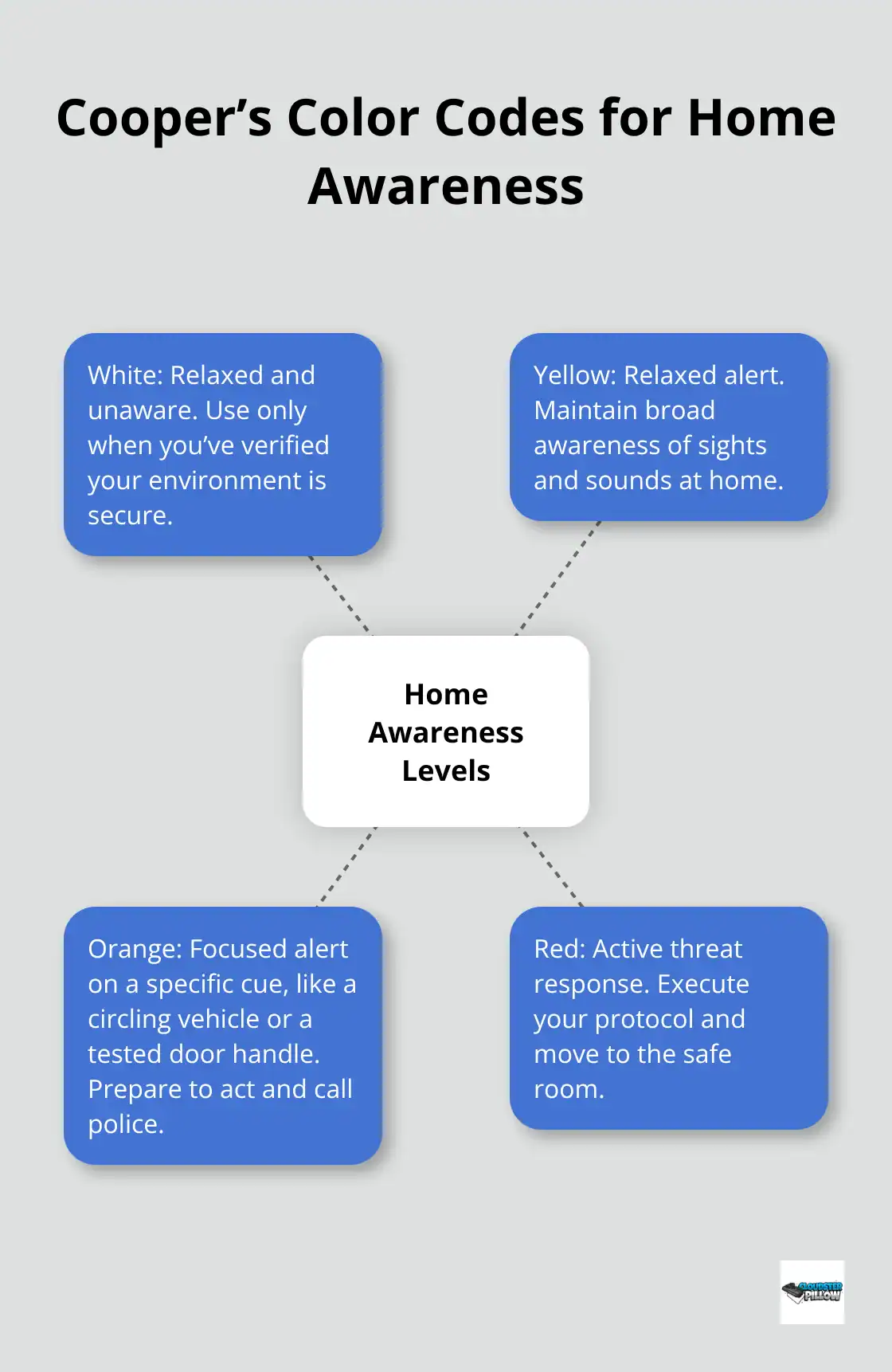
Threat recognition starts long before an intruder reaches your door. The color code system for threat awareness used by defensive professionals divides awareness into levels: white means you’re relaxed, yellow means you’re alert to your surroundings, orange means you’ve identified a specific potential threat, and red means you’re responding to an active threat. Most home invasions occur because residents remain in white or yellow when they should shift to orange-noticing a vehicle circling the block multiple times, unfamiliar people asking detailed questions about your schedule, or someone testing your door handle at night.
You need to recognize these early warning signs and act on them immediately. Call police for suspicious activity rather than dismissing it as coincidence. Document what you saw, when you saw it, and which direction the person or vehicle went. This information helps law enforcement identify patterns in your neighborhood.
Teaching Your Family to Stay Alert
Your family should understand these color codes too; teach them that alertness isn’t paranoia but practical awareness. Homes with visible security measures experience fewer break-in attempts because criminals choose easier targets. Make your home visibly harder to breach than your neighbors’ homes, and criminals move on. Your family members become your first line of defense when they recognize threats early and respond appropriately.
Building Your Family Emergency Protocol
Your family emergency protocol must be specific enough to execute under stress, which means drilling it monthly until everyone responds without thinking. Assign each family member a role: one person calls 911, another secures younger children, another locks internal doors. Establish a safe word that signals immediate lockdown without debate. When your protocol activates, everyone moves to the safe room, locks the door, and stays silent unless emergency services arrive and identify themselves. Many families fail under pressure because they never practiced the actual sequence, so they freeze or make decisions that contradict each other.
Firearm Access and Muscle Memory
Your firearm access during an emergency depends on where you carry at home-appendix carry gives you quickest access when seated, but behind-the-hip or side carry may feel more comfortable during extended home time. Train your draw from your actual carry position at least twice monthly; muscle memory only develops through repetition with the exact setup you’ll use under pressure. The goal is always to shelter safely and let law enforcement handle the threat-not to search your home for an intruder.
Transitioning to Consistent Training
Your family protocol succeeds only when every member knows exactly what to do without hesitation, your firearm stays accessible in a location you’ve practiced reaching from, and everyone understands the shelter-in-place strategy. With your threat recognition sharpened and your family protocol drilled into muscle memory, the next step focuses on how you maintain comfort and readiness throughout your day at home-selecting carry methods that keep your firearm accessible without the discomfort that causes people to abandon their guns in nightstands or closets.
How to Stay Armed and Comfortable at Home
Matching Your Carry Position to Your Home Routine
Carrying at home differs fundamentally from carrying outside, and most CCW holders either abandon their firearms in nightstands or suffer through uncomfortable setups that make them want to remove their guns. Comfort directly impacts whether you actually carry when it matters, and home carry requires a different approach than appendix or hip carry on the street. Your firearm needs to stay accessible while you move through your kitchen, sit at your desk, bend down to play with kids, or sleep beside your family. If your carry method causes discomfort during these everyday activities, you’ll remove your gun and defeat the entire purpose of being armed at home.
Most home invasions happen during nighttime hours when residents are in bedrooms or common areas, not standing at attention. Your carry position at home should match how you actually spend time there. Appendix carry works poorly when you’re seated for extended periods because the grip digs into your abdomen, making you want to unbuckle and set the gun aside.
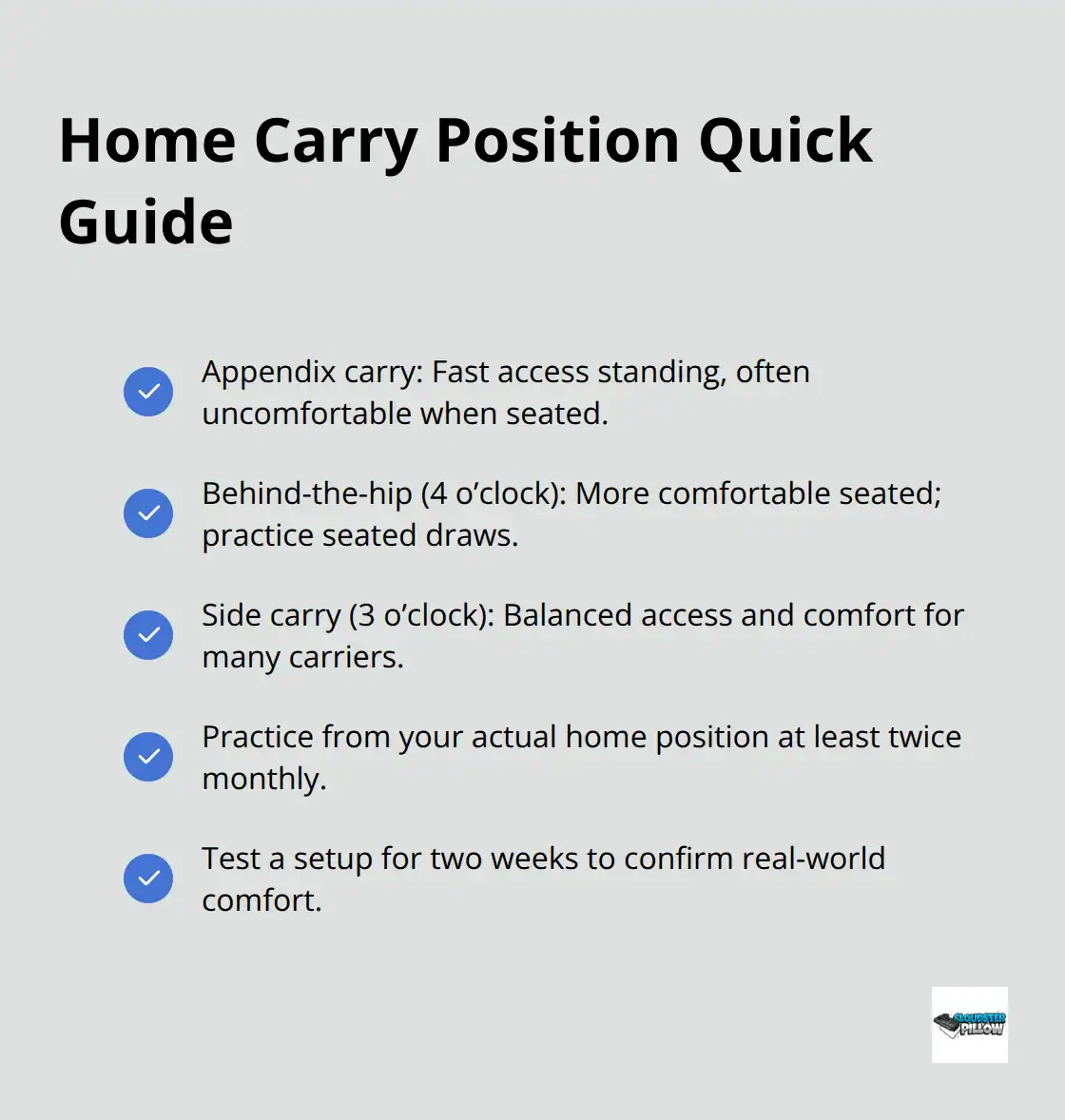
Behind-the-hip or 4 o’clock carry feels more natural when sitting, but it requires you to practice drawing from a seated position because your muscle memory won’t transfer from standing. Side carry at the 3 o’clock position splits the difference for many home carriers, offering reasonable access without the discomfort of appendix carry during prolonged sitting.
Training From Your Actual Position
Whatever position you choose, practice your draw from that exact position at least twice monthly. Most carriers practice standing draws at the range but never drill from sitting, which means they’ll fumble in a real emergency when they’re actually seated. Your muscle memory only develops through repetition with the exact setup you’ll use under pressure. Test your setup for at least two weeks before deciding it works, because theoretical comfort and real-world comfort differ dramatically.
Balancing Accessibility and Family Safety
Safe storage at home presents the tension between accessibility and family safety, and this tension has no perfect solution-only thoughtful compromises. A loaded firearm in your nightstand drawer remains accessible but poses risk if children visit or find the key. A biometric safe on your nightstand opens quickly with your fingerprint, giving you fast access while keeping unauthorized hands out. Some carriers keep a firearm in a shoulder holster under their pajamas, trading some comfort for constant accessibility. The right approach depends on your family composition, the ages of children in your home, and your actual daily routine.
Optimizing Comfort for Extended Wear
A holster wedge transforms uncomfortable setups by shifting pressure distribution, making IWB and AIWB carry feel natural during extended wear at home. Training consistency matters more than perfect comfort, and a setup you’ll actually wear beats a theoretically perfect setup you abandon after an hour. Commit to one carry method for thirty days, practice your draw from that position twice monthly, and evaluate whether you’d actually reach for that firearm in an emergency or whether you’d fumble because you haven’t trained from that position. Your home defense readiness collapses the moment you stop carrying because it feels uncomfortable.
Final Thoughts
Home defense tips work only when you integrate them into your daily life, not when you think about them once and forget. The perimeter security you install, the safe room protocol your family practices, and the carry method you choose all depend on consistent action. Most carriers build solid foundations but then stop training, stop drilling with their families, and stop carrying at home because comfort or convenience pulls them away.
Your home defense strategy succeeds because you carry at home using a method that feels natural enough to maintain, you practice your draw from that position regularly, and your family knows exactly what to do when an emergency happens. This consistency builds real confidence, not the false confidence that comes from owning a firearm without training. You understand your state’s legal framework, you secure your perimeter, and you establish a safe room where your family can shelter safely.
An uncomfortable setup gets abandoned in a nightstand, defeating everything you’ve planned, which is why we at Cloudster Pillow designed our holster wedge to enhance all-day concealment for both AIWB and IWB carry. A holster wedge makes it easier to stay armed throughout your day without the discomfort that causes people to remove their firearms. Start today by reviewing your perimeter security, scheduling your first family protocol drill, and committing to a carry method you’ll actually maintain.