
AIWB Holster Wedge
Comfortable Holster with Cloudster Pillow for Appendix Carry

Best holster wedge for appendix carry

Appendix Inside the Waistband (AIWB) carry is widely considered one of the best methods for concealed carry. It offers faster draw speed, strong weapon retention, and excellent concealment when set up correctly.
However, many concealed carriers eventually encounter a common problem: holster discomfort. Even high-quality Kydex holsters can create pressure points when worn for long periods, especially while sitting or bending.
This is where a holster wedge becomes one of the most important upgrades you can add to your carry setup.
A holster wedge sits between the holster and your body. Its purpose is to improve both comfort and concealment by changing the angle of the firearm while distributing pressure more evenly across your body.
In this guide, we’ll explain how holster wedges work, the differences between wedge types, and how to choose the best holster wedge for appendix carry.
Why You Need a Holster Wedge
Without a wedge, most holsters sit flat against the body. Because the firearm grip is heavier than the slide, the grip naturally tips outward from the waistband.
This creates two common problems:
• Printing, where the grip becomes visible through clothing
• Pressure points, where the holster muzzle digs into the body
A holster wedge solves both problems.
By adding material near the bottom of the holster, the wedge changes the angle of the firearm. This pushes the grip inward toward your body and distributes pressure across a larger surface area.
The result is:
• Improved concealment
• Reduced pressure against the pelvis
• Better comfort when sitting or bending
Many experienced concealed carriers consider a wedge essential for comfortable AIWB carry.
Types of Holster Wedges
There are two main types of wedges commonly used for appendix carry.
Traditional Foam Wedges
Basic wedges are usually made from dense closed-cell foam.
These wedges are inexpensive and can provide a noticeable improvement in concealment by tilting the firearm inward. However, they also have some drawbacks.
Foam wedges can flatten over time, especially with daily use. They also tend to trap heat and sweat, which may lead to discomfort during long periods of carry.
For occasional use they can work well, but they may not provide long-term comfort for all-day carry.
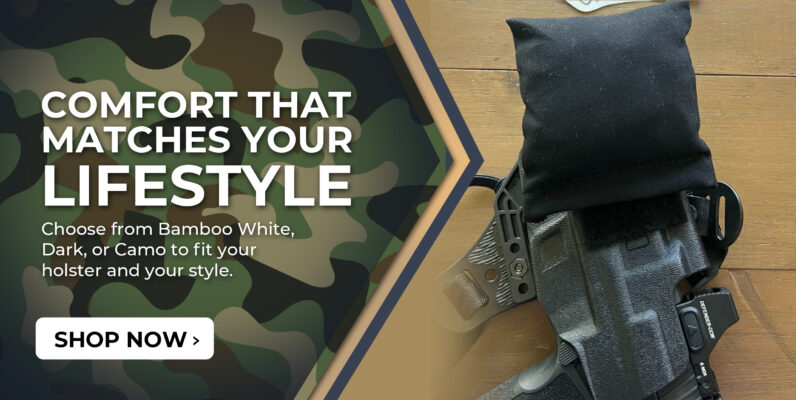
Holster Pillow Systems
A newer approach to wedge design is the holster pillow.
Instead of a rigid foam block, holster pillows use soft materials such as memory foam or shredded foam fill that can compress and adapt to your body.
This allows the wedge to conform to the natural shape of your body while still providing the leverage needed to tilt the firearm inward.
For many carriers, pillow-style wedges provide significantly better comfort during long periods of appendix carry.
How the Cloudster Pillow Improves Appendix Carry Comfort
The Cloudster Pillow holster wedge was designed specifically to address the pressure points created by rigid holsters.
Unlike traditional foam wedges, the Cloudster Pillow uses adjustable shredded memory foam inside a soft outer fabric. This allows the wedge to compress naturally while still maintaining enough structure to improve concealment.
Key benefits include:
• Soft cushioning between the holster and your body
• Improved concealment by rotating the grip inward
• Reduced pressure from the holster muzzle
• Adjustable fill to customize thickness and firmness
Because the pillow conforms to your body rather than resisting it, many carriers find it more comfortable for extended daily wear.
Pairing a Wedge with the Right Holster
A wedge works best when paired with a holster that includes a concealment claw or wing.
A claw uses belt pressure to rotate the grip of the firearm inward from the side. A wedge rotates the firearm from the bottom.
Together, these components create a more effective concealment system by controlling how the firearm sits against your body.
If you’re setting up an appendix carry system, understanding how to choose the best AIWB holster can help you select a holster that works well with wedges and other concealment accessories.
Wedges for Different Firearms
Even smaller concealed carry pistols can benefit from a wedge.
For example, many carriers find that a wedge helps stabilize smaller firearms like those used with the best Glock 43X holsters. Because shorter slides have less leverage below the belt line, wedges help keep the grip from tipping outward.
Larger pistols such as the Glock 19 may benefit even more from a wedge because the longer slide can create additional pressure when sitting.
Learning how to conceal carry a Glock 19 comfortably often includes adding a wedge to distribute pressure and improve concealment.
How to Position a Holster Wedge
Where you place the wedge on the holster can influence comfort and concealment.
Common placement options include:
Centered placement
Provides balanced pressure distribution across the holster.
Lower placement near the muzzle
Helps prevent the holster from digging into the pelvis when sitting.
Offset placement
Can help address specific pressure points depending on body shape.
Because pillow wedges are softer and larger than rigid foam wedges, they often provide more flexibility in placement and adjustment.
Maintaining Your Holster Wedge
Since wedges sit between the holster and your body for extended periods, maintenance is important.
Some basic maintenance tips include:
• Check the attachment periodically to ensure it remains secure
• Clean or wash removable covers if your wedge uses fabric
• Replace or refill foam if compression reduces effectiveness
Keeping your carry equipment clean and properly maintained helps improve both comfort and durability.
Final Thoughts
For many concealed carriers, adding a holster wedge is the single most effective upgrade for improving appendix carry comfort.
A wedge changes how the holster interacts with your body by distributing pressure and rotating the firearm inward for better concealment.
Whether you choose a simple foam wedge or a more advanced comfort pillow system, the right wedge can make appendix carry significantly more comfortable for everyday use.
When combined with a quality holster, proper belt support, and the right positioning, a holster wedge can transform your appendix carry setup into a system that is both comfortable and highly concealable.
FAQs
Does a holster wedge make the firearm more visible?
No. Although a wedge adds material behind the holster, it pushes the grip inward toward the body, which usually reduces printing.
Can holster wedges be used with other carry positions?
Yes. While most commonly used for appendix carry, wedges can also improve comfort for other inside-the-waistband positions.
Will a holster wedge work with any holster?
Most wedges attach using hook-and-loop (Velcro) systems and work with most Kydex holsters that have a flat surface on the back.
How thick should a holster wedge be?
The ideal thickness depends on your body type and firearm size. Many adjustable pillow wedges allow you to add or remove filling to customize the thickness.
Are holster wedges necessary for appendix carry?
Not everyone requires a wedge, but many concealed carriers find that wedges significantly improve both comfort and concealment.
