
AIWB Holster Wedge
Best AIWB Holster Setup
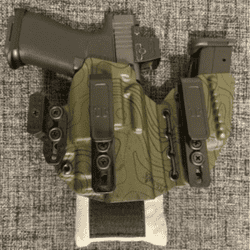
Best AIWB Holster Setup
Appendix Inside the Waistband (AIWB) carry has become one of the most popular concealed carry methods in recent years. Many firearm owners prefer appendix carry because it allows for faster access to the firearm, improved concealment, and better weapon retention compared to traditional hip carry.
However, achieving a comfortable and effective AIWB holster setup requires more than simply attaching a holster to your belt.
A well-configured appendix carry setup involves several components working together:
-
The holster
-
The firearm
-
The belt
-
Comfort accessories like wedges
-
Proper positioning and adjustment
When these elements are configured correctly, AIWB carry can become both comfortable and highly concealable for everyday carry.
This guide explains how to build the best AIWB holster setup so you can carry confidently throughout the day.
Choosing the Right AIWB Holster
The holster is the foundation of any appendix carry setup.
A good AIWB holster should be designed specifically for appendix carry rather than traditional hip carry. Many modern holsters include features that improve both concealment and comfort.
Important features to look for include:
-
Adjustable ride height
-
Adjustable cant
-
Concealment claw or wing
-
Slim profile design
-
Compatibility with wedges or padding
Rigid materials such as Kydex or Boltaron are typically recommended for AIWB carry because they maintain their shape and provide consistent trigger protection.
If you’re evaluating different holsters, understanding how to choose the best AIWB holster can help you select the right setup for your body type and firearm.
Selecting the Right Firearm
The size and shape of your firearm can also affect how comfortable appendix carry feels.
While full-size pistols can be carried appendix style, compact and mid-size handguns are often easier to conceal and more comfortable for everyday carry.
For example, many concealed carriers find success with setups built around how to conceal carry a Glock 19, since the Glock 19 balances size, capacity, and concealability.
Slim pistols are also popular for appendix carry. Many carriers prefer setups using the best Glock 43X holsters because they are lightweight and easier to conceal under everyday clothing.
Ultimately, the ideal firearm depends on your body type, clothing style, and comfort preferences.
The Importance of a Good Gun Belt
A strong gun belt is one of the most overlooked parts of a good AIWB holster setup.
A proper concealed carry belt helps stabilize the holster and prevents the firearm from shifting throughout the day.
A good belt should:
-
Support the weight of the firearm
-
Prevent the holster from tilting forward
-
Distribute pressure evenly around the waist
Without a proper belt, the holster may move or sag, which can lead to discomfort and poor concealment.
Why Holster Wedges Improve Comfort
Even with the right holster and belt, many appendix carriers still experience pressure from the holster pressing against the body.
A holster wedge is one of the most effective ways to improve AIWB comfort.
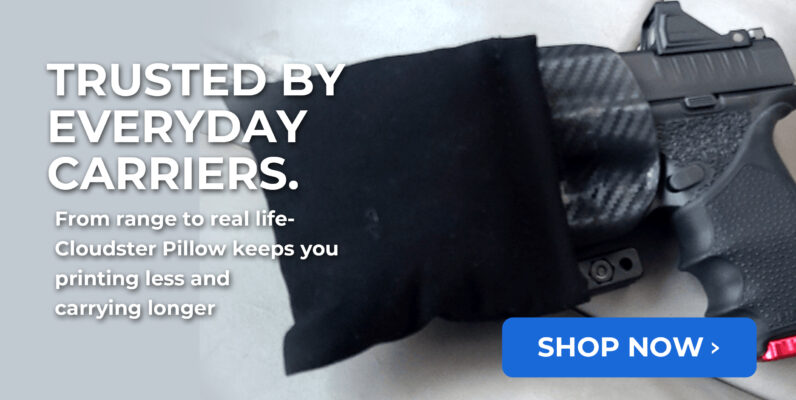
A wedge sits between the holster and the body and changes the angle of the firearm slightly. This adjustment helps distribute pressure more evenly and pushes the grip inward toward the body.
This provides two major benefits:
• improved concealment
• reduced pressure points
Comfort accessories like the Cloudster Pillow holster wedge create a soft cushion between the holster and the body while helping rotate the firearm inward for better concealment.
Many experienced concealed carriers consider wedges essential for comfortable appendix carry.
Finding the Best Appendix Carry Position
Another key part of a successful AIWB setup is positioning.
Most people initially try carrying directly at the 12 o’clock position, but this is not always the most comfortable location.
Many carriers find better comfort by moving the holster slightly to the side.
Common appendix carry positions include:
-
12:30
-
1:00
-
1:30
These positions allow the firearm to align more naturally with the body and reduce pressure when sitting or bending.
Small adjustments in position can make a significant difference in comfort.
Adjusting Ride Height and Cant
Ride height refers to how high or low the holster sits on your waistband.
If the holster sits too low, the muzzle may dig into your body when sitting. If it sits too high, the firearm may feel unstable and harder to conceal.
Cant refers to the angle of the holster.
Most AIWB holsters allow small adjustments to both ride height and cant so you can fine-tune the setup to match your body type and carry style.
These adjustments help improve both comfort and accessibility.
Clothing Considerations for AIWB Carry
Clothing also plays an important role in appendix carry comfort.
Tighter clothing can push the firearm into the body and increase pressure points. Slightly looser clothing usually works better for concealed carry.
Some carriers prefer pants with a slightly higher waistline because they allow the holster to sit more comfortably.
Choosing clothing that allows space for the holster helps improve both comfort and concealment.
Fine-Tuning Your AIWB Setup
Building the best AIWB holster setup often involves small adjustments over time.
You may need to experiment with:
-
carry position
-
belt tension
-
ride height
-
wedge placement
These adjustments allow you to customize your setup so it feels natural during everyday movement.
Most concealed carriers find their ideal configuration after testing a few different adjustments.
Final Thoughts
Appendix carry is one of the most effective concealed carry methods available, but comfort depends heavily on how your setup is configured.
A good AIWB holster setup includes:
-
a quality holster
-
a stable gun belt
-
proper carry positioning
-
comfort accessories like wedges
When these elements work together, appendix carry can provide excellent concealment, fast access to the firearm, and comfortable everyday carry.
With the right setup and small adjustments, many concealed carriers find that AIWB becomes their preferred carry method.
FAQs
What is AIWB carry?
AIWB stands for Appendix Inside the Waistband. It refers to carrying a firearm inside the waistband at the front of the body.
Is appendix carry comfortable?
Yes. When the holster, belt, and positioning are properly adjusted, appendix carry can be very comfortable for everyday use.
Do holster wedges help with AIWB carry?
Yes. Holster wedges help distribute pressure and tilt the firearm inward, improving both comfort and concealment.
What is the best position for appendix carry?
Most carriers find positions between 12:30 and 1:30 to be the most comfortable.
Can larger firearms be carried appendix style?
Yes, but compact or mid-size pistols are often easier to conceal and may feel more comfortable for everyday carry.
Related: best AIWB wedge — Cloudster Pillow vs Mastermind, Tier1 & Vedder.
