
Carry Techniques and Optimization
Daily Concealment Comfort Tricks: Quick Wins For All Day Comfort
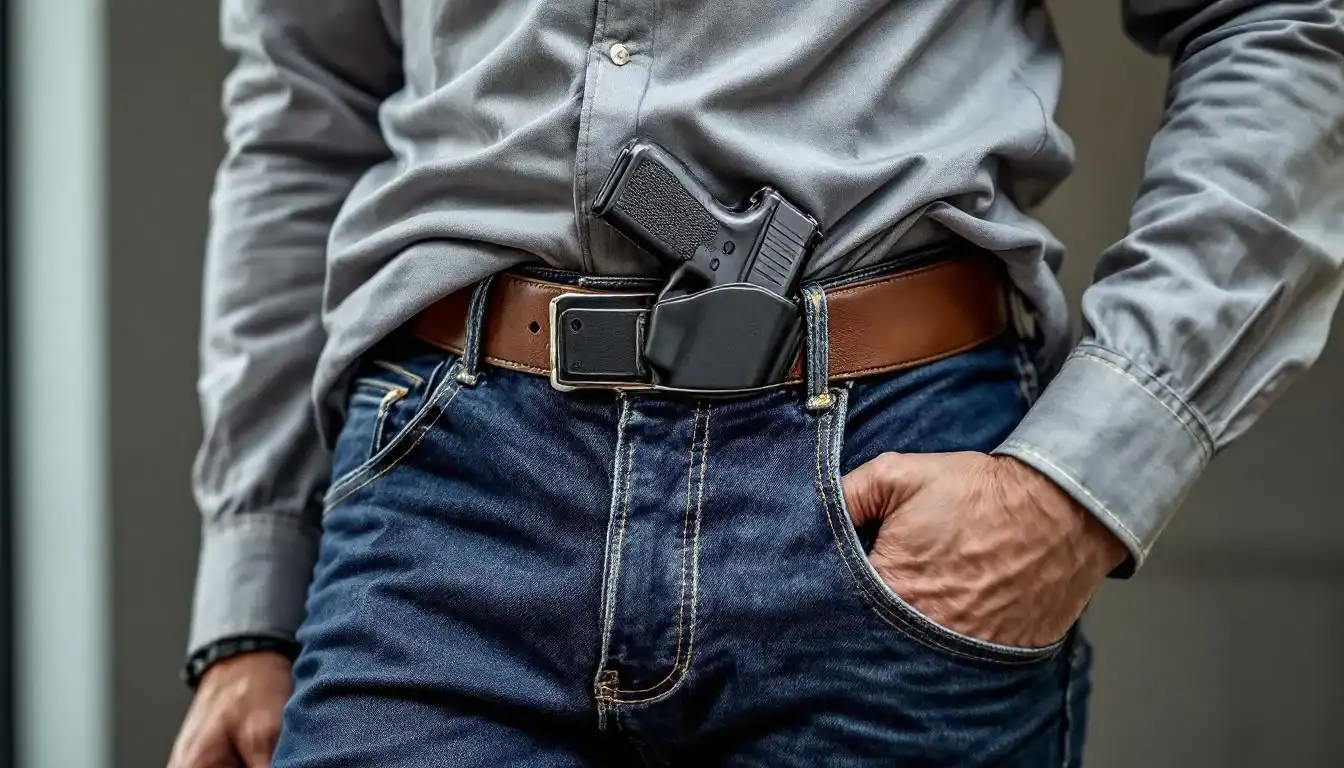
Carrying a concealed firearm all day shouldn’t mean suffering through back pain, printing, or constant adjustment. Most off-the-shelf holster setups leave carriers uncomfortable because they ignore the small details that actually matter.
At Cloudster Pillow, we’ve learned that all-day comfort isn’t about expensive gear-it’s about smart adjustments and the right concealed carry tips. This post walks you through practical fixes you can implement today, plus advanced strategies for serious carriers.
The Problem With Standard Holster Setups
Off-the-shelf holsters are manufactured for the average body, which means they’re optimized for nobody in particular. The holster that works for a 5’10” male with an athletic build creates pressure points on someone who’s 5’4″ or carries extra weight around the midsection. Mass-produced options ignore the reality that your body, your daily activities, and your clothing are unique. This is why comfort with concealed carry is a learned skill-not something that happens automatically when you strap on a holster for the first time.
Why Standard Holsters Fall Short
Five distinct problems plague standard holster setups. Pressure points develop when the muzzle digs into your pelvis or ribs, especially during extended sitting. Friction occurs from excessive gun movement inside the holster, rubbing your skin raw throughout the day.
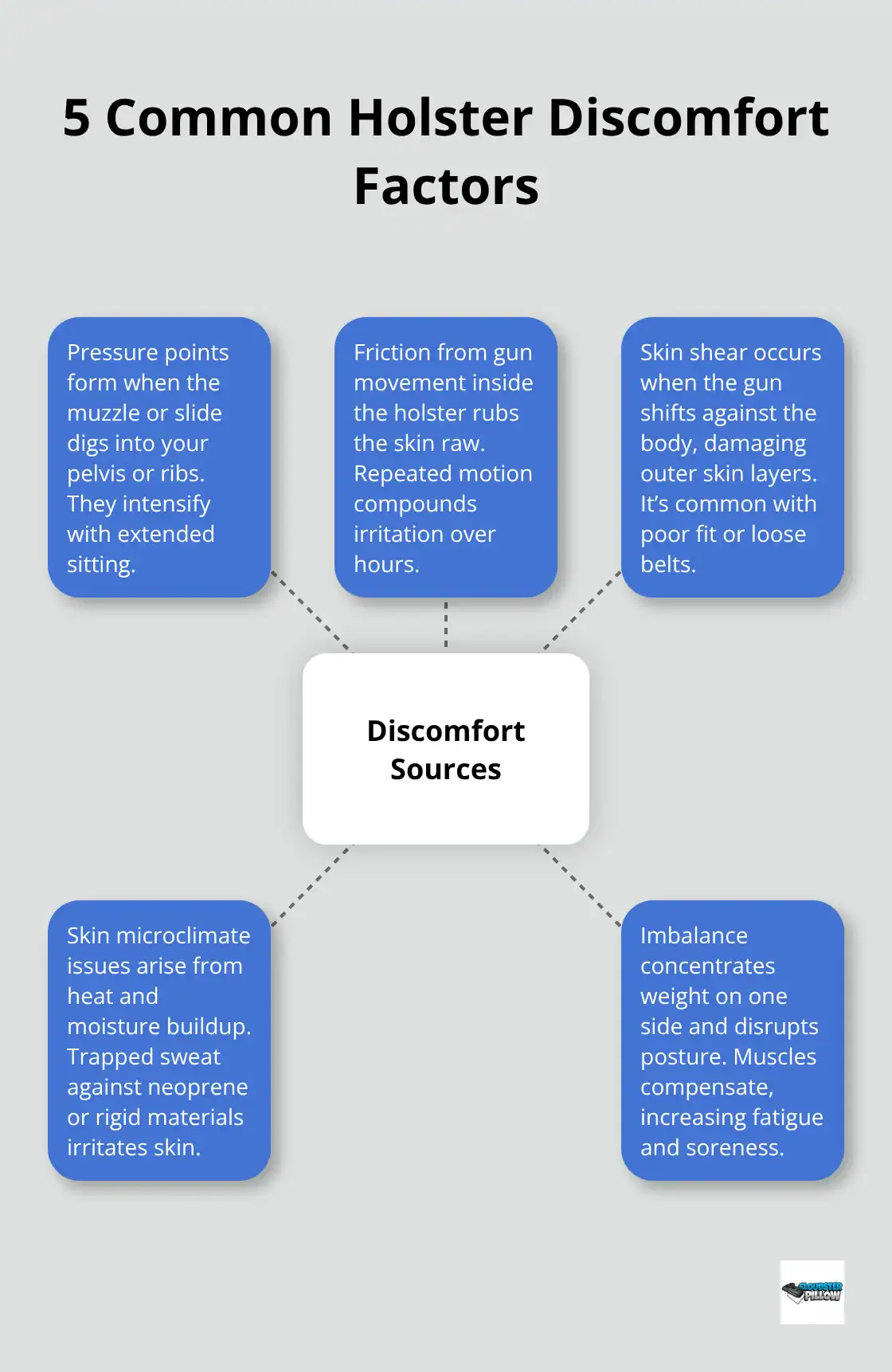
Skin shear happens when the gun shifts against your body in a way that damages the outer layers of skin. Skin microclimate issues stem from heat and moisture buildup where the holster contacts your body-sweat trapped against neoprene or rigid material creates a breeding ground for irritation. Finally, imbalance throws off your posture when weight concentrates on one side of your body, forcing your muscles to compensate. Most carriers experience at least two of these simultaneously, which is why pain often feels inevitable rather than fixable.
The Carry Position Mistake Most Carriers Make
The common mistake is carrying too low on your waistline, which forces the grip to print and the muzzle to dig deeper into soft tissue. Raise your ride height immediately and you’ll reduce muzzle pressure and improve concealment without buying new gear. This single adjustment solves multiple comfort issues at once and costs nothing.
Cant and Ride Height Transform Your Setup
Your holster’s cant and ride height are the two most powerful variables you control. Adjust cant angle-the forward or backward tilt of your holster-and you shift pressure away from problem areas while improving how the gun sits against your body. Ride height determines how much of the grip prints under your shirt and where the muzzle contacts your body. These two settings alone can transform a painful setup into one you forget you’re wearing.
Three Accessories That Deliver Immediate Relief
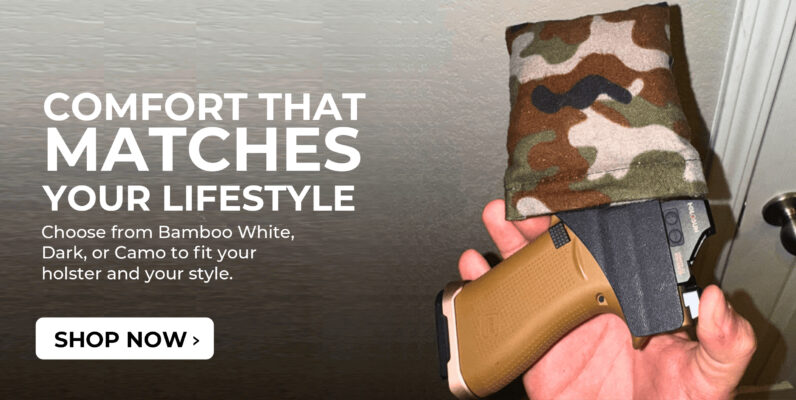
A wedge fills the gap between your gun and body, distributing pressure across a larger surface area instead of concentrating it on a single point. This simple foam accessory uses closed-cell foam wrapped in soft jersey fabric, making it nearly invisible under clothing while solving multiple comfort issues at once. Your belt matters more than most carriers realize-standard belts sag under firearm weight, which causes your holster to shift throughout the day and creates constant micro-adjustments that disrupt comfort. A reinforced gun belt with a micro-adjustable buckle keeps your holster stable and prevents the sagging that forces you to re-tension every few hours. These adjustments cost nothing or very little, require no tools, and deliver noticeable comfort improvements within days. With your setup optimized, you’re ready to explore how strategic clothing choices and positioning techniques amplify your comfort even further.
Quick Wins That Actually Work
The gap between uncomfortable and all-day wearable comes down to three specific adjustments you control right now. Start with your cant and ride height, which are the two settings that determine whether your gun digs into soft tissue or sits naturally against your body.
Cant and Ride Height: Your Two Most Powerful Controls
Cant is the forward or backward angle of your holster relative to your waistline. A positive or forward cant holster typically works best when carrying on your strong side, usually in the 4 o’clock or kidney positions, which tilts the grip inward and reduces printing while shifting muzzle pressure away from your pelvis. Ride height controls how high or low the gun sits on your waistline. Carrying too low forces the grip to print under your shirt and pushes the muzzle deeper into soft tissue. Raise your ride height by even half an inch and you eliminate muzzle dig and reduce how much grip visibility you have to worry about.
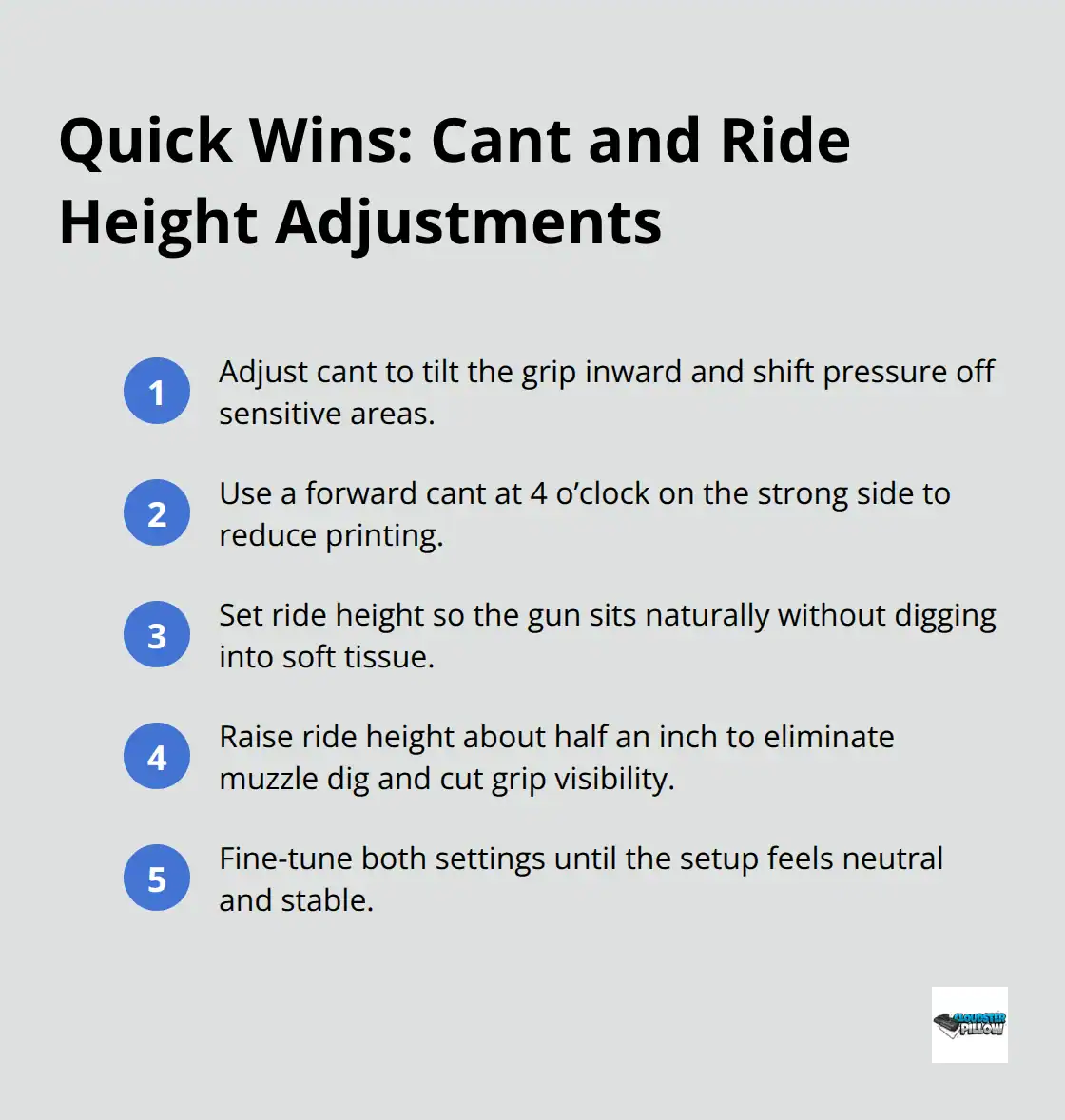
These two adjustments alone transform setups that feel unbearable into ones you forget you’re wearing.
Wedges Solve Multiple Problems at Once
A holster wedge helps tilt the grip of the gun closer to your body for better concealment and less printing. This simple accessory distributes pressure across a larger surface area instead of concentrating it on a single point where your muzzle or grip digs in. Wedges weigh about 0.2 ounces and attach with Velcro, so you can position them exactly where you need relief. If your grip prints, place the wedge on the slide side; if lights or optics cause printing, position it on the grip side. A center-positioned wedge pulls your entire setup inward, which works especially well for appendix carry where small positional differences significantly affect comfort. Wedges prove particularly helpful if you carry a larger gun or one equipped with a light, since those setups tend to print more aggressively. The material resists water, sweat, and humidity while preventing bacterial growth, making it practical for all-day wear in any climate.
Your Belt Keeps Everything Stable
Standard belts sag under firearm weight, which forces your holster to shift throughout the day and creates constant micro-adjustments that destroy comfort. A reinforced gun belt with a micro-adjustable buckle keeps your holster stable and locked in position. Your belt should have a reinforced core that doesn’t flex under the weight of your firearm and a buckle that lets you adjust tension without removing the belt. A quality gun belt costs between 60 and 100 dollars and eliminates the sagging that forces you to re-tension every few hours. This single upgrade prevents your holster from moving during the day, which means your body adapts to a consistent pressure point instead of constantly adjusting to a moving target. When your holster stays put, your muscle memory for drawing improves, your concealment stays consistent, and your comfort increases because your body isn’t constantly fighting against holster shift.
These three adjustments address the mechanical failures that plague most off-the-shelf setups. Once you stabilize your foundation, your body can finally adapt to a predictable carry experience instead of compensating for constant movement and pressure changes. The next step involves strategic choices about how you dress and position yourself throughout your day-decisions that amplify the comfort gains you’ve already made.
Positioning and Clothing Work Together for All-Day Comfort
Rotate Your Carry Position to Prevent Hotspots
Most carriers lock into a single carry position and wonder why discomfort sets in by mid-afternoon. Your body adapts to pressure, but constant pressure in the same spot creates hotspots that intensify throughout the day. Rotating between appendix, 3-5 o’clock, and small-of-back positions distributes stress across different muscle groups and tissue, preventing any single area from becoming a pain point.
If you spend your morning in appendix carry, shift to 3-5 o’clock after lunch when sitting becomes your primary activity. This rotation works because appendix carry creates more pressure during seated positions due to leg movement and joint proximity, while 3-5 o’clock positions reduce pressure when you’re sitting but increase it during standing activities. Your body needs variety to adapt without developing chronic discomfort.
Test each position for 2-3 hours in realistic conditions before deciding which works best for your daily routine. Some carriers find that appendix carry works perfectly during their commute but becomes unbearable during desk work, making a rotation strategy essential for true all-day comfort.
Choose Clothing That Supports Your Setup
Clothing choices directly impact whether your setup remains comfortable or creates new pressure points. Invest in a quality adjustable holster that lets you fine-tune fit and positioning, then wear slightly loose-fitting tops that don’t compress your holster against your body, bottoms with extra waist space for IWB holsters so you’re not forcing the gun tighter into your body, and breathable moisture-wicking undershirts that prevent sweat buildup where the holster contacts your skin.
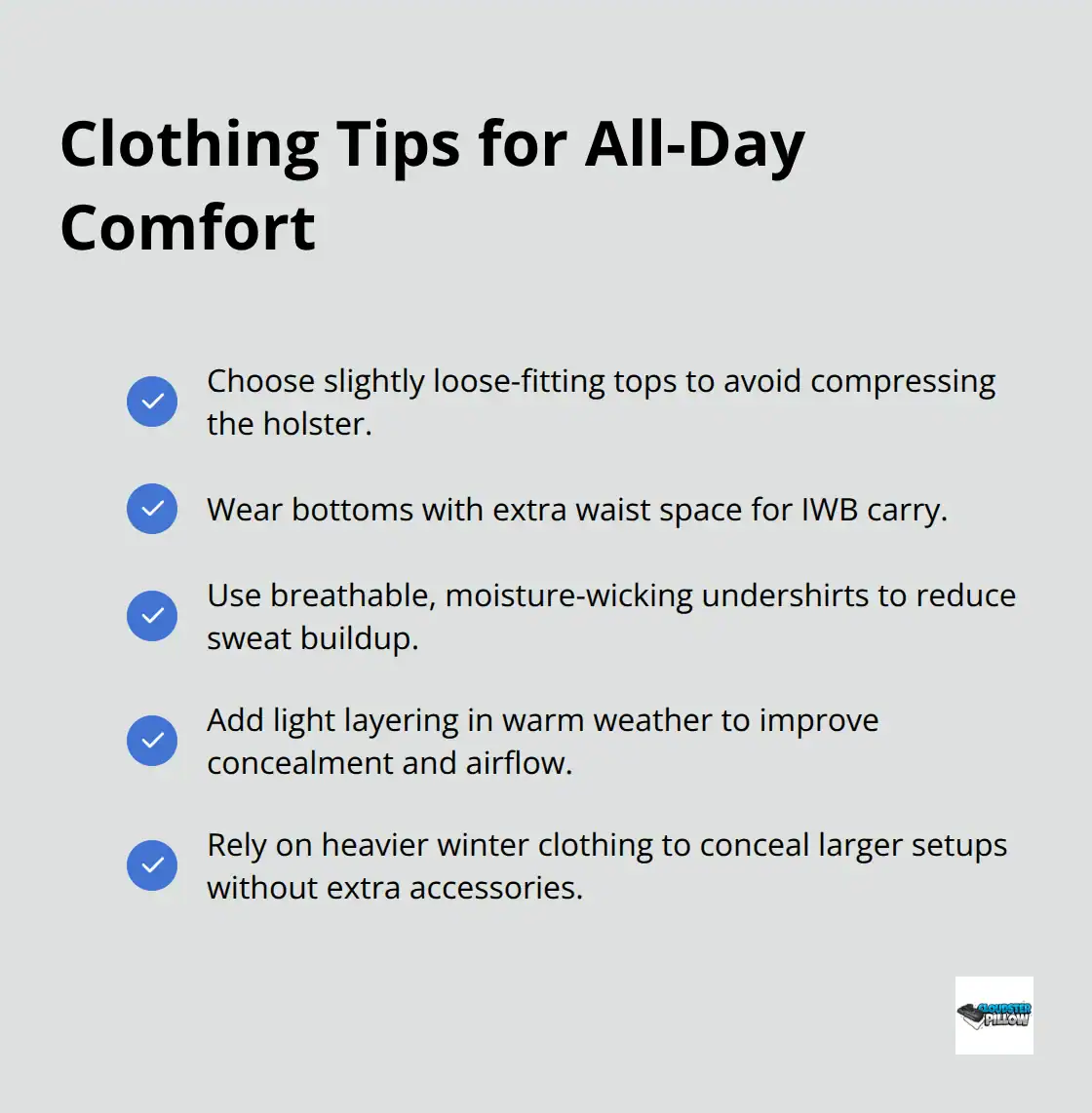
Heavier winter clothing naturally conceals larger setups, allowing you to carry guns that might print in summer without adding concealment accessories. Light layering in warm weather serves double duty by improving concealment while creating airflow that reduces skin microclimate issues. Your clothing acts as a buffer between your body and your holster, so strategic choices eliminate friction and heat buildup that plague standard setups.
Build Core Strength to Maintain Proper Posture
Your core strength and posture directly influence how much pressure your holster creates. Weak core muscles force your spine into poor alignment, which shifts your ribcage and pelvis in ways that change where your holster contacts your body throughout the day. Carriers who perform basic core exercises like planks, dead bugs, and bird dogs report fewer pressure points and better posture control during extended carry.
Building strength takes time, but even 10 minutes of daily core work noticeably improves your ability to maintain neutral spine position, which keeps your holster in consistent contact with your body instead of shifting with poor posture. Your setup becomes more comfortable when your body supports it correctly rather than fighting against it. Core muscles stabilize your spine and support the weight of your carry setup, reducing compensatory muscle tension and allowing your body to adapt without developing chronic pain.
Final Thoughts
All-day comfort starts with understanding that your setup determines your experience. The adjustments covered here-cant angle, ride height, wedges, and belt quality-address the mechanical failures that make standard holsters uncomfortable. These practical concealed carry tips work because they solve real problems instead of masking them with padding or accepting pain as normal.
Small changes create lasting results. Raising your ride height by half an inch eliminates muzzle dig, switching to a reinforced belt stops holster sag, and adding a wedge distributes pressure across a larger surface area. Your body adapts quickly when your holster stays stable and pressure distributes evenly instead of concentrating on a single point, which means none of these changes cost much or require special tools yet each one noticeably improves how your setup feels after eight hours of wear.
We at Cloudster Pillow designed our holster wedge specifically for carriers who want real comfort without replacing their entire system. Our wedge uses closed-cell foam wrapped in soft jersey fabric, weighs just 0.2 ounces, and attaches with Velcro for easy positioning-whether you carry appendix, 3-5 o’clock, or small-of-back. Transform your comfort with the right accessories at Cloudster Pillow.
