
EDC Gear
What’s the Best Holster for Fat Guys? A Comfort-First Setup Guide
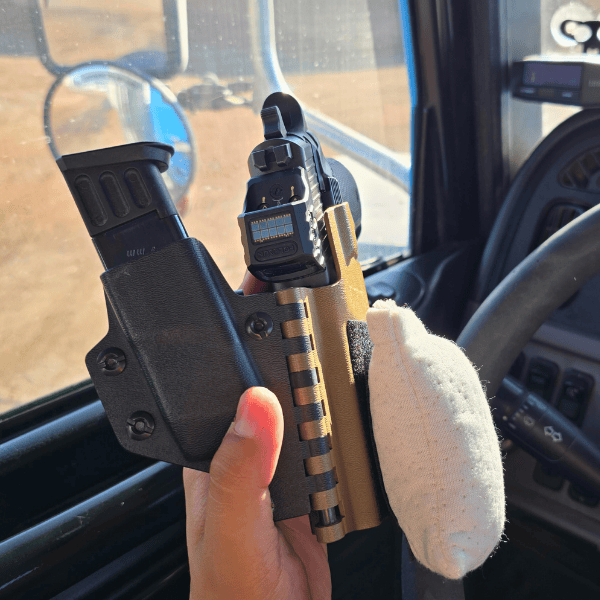
Short answer: There isn’t one magic “fat guy holster.” What works for a bigger build is a setup. Start with a Kydex IWB or appendix holster that has adjustable ride height and cant. Carry it where your body has a flat spot, usually between 1 and 2 o’clock or just behind the hip. Put it on a real gun belt, and add a wedge so the grip tucks in instead of rolling out. Get those four things right and most holsters that made you miserable will start to feel normal.
Why standard holsters fight a bigger body
A holster is a flat, stiff object, and a bigger midsection is a curve. That mismatch causes two separate problems:
- The grip rolls out and prints. Your belly pushes the bottom of the holster out, which tilts the grip away from your body. That’s the bump people see through your shirt when you bend or reach.
- The muzzle digs in when you sit. Sitting compresses your stomach against the holster, so the bottom edge presses into your belly or thigh. Most “I gave up carrying” stories start here.
Every fix below goes after one or both of those problems.
The best carry position for bigger guys
Holster makers and big-build carriers mostly land on the same short list. Try them in this order:
- 1 to 2 o’clock (between appendix and your hip). For a lot of bigger guys this is the sweet spot. There’s usually a flatter “valley” between the belly and the hip bone where a holster sits without being pushed out.
- Appendix, offset toward your strong side. Yes, bigger guys carry appendix. The trick is to not put the gun dead center on the belly. Slide it an inch or two toward your strong side and raise the ride height so the grip sits above the curve.
- 3 o’clock (strong-side hip). Fast to draw, but on many bodies the hip bone pushes the grip out and it prints when you bend.
- 4 to 5 o’clock (behind the hip). Often comfortable standing, but harder to reach around a bigger torso, and it prints when you lean forward.
There’s no single right answer. Wear an unloaded gun in its holster around the house for an evening in each position, including sitting on the couch and in the car, before you decide.
What to look for in the holster itself
- Adjustable ride height. Being able to raise the gun is the single biggest help for a bigger midsection, especially appendix.
- Adjustable cant. Tilting the grip forward or back lets it follow your body instead of fighting it.
- A claw or wing. This small arm on the side of the holster presses against your belt and pushes the grip in toward your body.
- A flat back with room for a wedge. This matters more than most people realize (more below).
- Full trigger-guard coverage and solid retention. Non-negotiable in any position. Rigid Kydex that holds its shape is the safe choice for inside-the-waistband carry.
Some makers build rigs specifically for bigger builds, like JX Tactical’s Fat Guy Holster and Four Brothers’ DadBod Appendix Rig. They’re worth a look, but any quality holster with the features above can work once the rest of the setup is dialed in.
What about belly band holsters?
Belly bands work for some situations: workouts, gym shorts, or clothes with no belt. For everyday carry, most bigger guys end up moving away from them. A band has to be tight to hold the gun still, which gets uncomfortable fast. As it loosens through the day, the gun sags and the grip moves. Many bands also don’t cover the trigger guard as solidly as a rigid holster, and the draw is less consistent. Treat a belly band as a specialty option, not your daily rig.
The belt is half the setup
A regular dress belt folds and twists under the weight of a gun, and the holster flops outward with it. That’s printing and discomfort you can’t fix with any holster. A stiff gun belt holds the holster flat against your body all day.
For bigger guys, a ratcheting gun belt is worth it. Instead of fixed holes, it micro-adjusts in small steps, so you can snug it up standing and let it out a click when you sit down or get in the truck. We carry the Kore ratcheting gun belts for exactly this reason, and our concealed carry belt guide goes deeper on picking one.
How a holster wedge fixes both problems
We make the Cloudster Pillow holster wedge, so this is the part we know best. A wedge is a small pad that attaches with velcro to the lower third of the back of your holster (our wedge placement guide shows exactly where). It does two things for a bigger body:
- It tucks the grip in. Pushing the bottom of the holster out tilts the grip back toward your body, which is the exact opposite of what your belly is doing to it. PHLster’s own guide to appendix carry for big guys lists adding a wedge as one of the fixes.
- It cushions the edge that digs in. The soft, filled pad sits between the hard holster edge and your stomach, which takes the sting out of sitting and driving.
The fill is adjustable, so you can add more for a stronger tilt or take some out if it feels too thick. The wedge size goes by your gun, not your waist: a Glock 19 takes a Deluxe, and a Sig P365 without a light takes a Standard. It works with any Kydex IWB or appendix holster that has room on the back for the velcro pad. See how the options compare in our holster wedge comparison.
Sitting and driving: the part most guides skip
Most carry setups feel fine standing and fall apart in the truck. If the gun digs in when you sit:
- Raise the ride height one step.
- Move the holster a little further toward your strong side.
- Add a wedge, or add fill to the one you have.
- Let your ratchet belt out one click before a long drive.
Make those adjustments before you leave, not while you’re driving. If you’re picking a gun, grip length matters here too. Our Glock 17 vs 19 breakdown shows how 0.43″ of extra grip changes how a gun prints.
Clothing that helps
- Untucked shirts one size up, so the fabric drapes over the grip instead of clinging to it
- Darker colors and patterns, which hide edges and shadows
- Thicker fabrics like heavier cotton, flannel or a light overshirt instead of thin, stretchy material
- Pants with a little room in the waist, or a size up, for inside-the-waistband carry
Quick answers
Can a fat guy appendix carry?
Yes. Plenty of bigger guys carry appendix every day. Offset the gun toward your strong side, raise the ride height, and use a claw and a wedge to keep the grip tucked.
My gun digs into my belly when I sit. What do I do?
Raise the ride height, move the holster slightly toward your strong side, and add a holster wedge to cushion the edge. A ratchet belt you can loosen a click in the car helps too.
What’s the most comfortable carry position for a bigger guy?
For most, somewhere between 1 and 2 o’clock, in the flatter spot between the belly and the hip. Try a few positions with an unloaded gun before you commit.
Do I need a gun belt?
Yes. A regular belt folds under the weight and lets the holster flop out. A stiff gun belt is the cheapest comfort upgrade there is.
What size Cloudster Pillow do I need?
Size goes by the gun, not your body. A Glock 19 takes a Deluxe, and a Sig P365 without a light takes a Standard.
More for bigger-build carriers
- Appendix carry with belly fat
- Concealed carry for big guys: comfort and gear tips
- Holster wedge setup for big guys
Written by the Cloudster Pillow team. We make holster wedges and carry Kore gun belts. We don’t sell holsters, and nobody paid to be mentioned here.

Pingback: Best IWB Holster For Fat Guys - Cloudster Pillow
Pingback: Concealed Carry Tips for Daily Comfort Tricks
Pingback: Appendix Carry with Belly Fat: Setup That Actually Works