
EDC Gear
Dump Trays 101: The Secret to Effortless EDC Organization
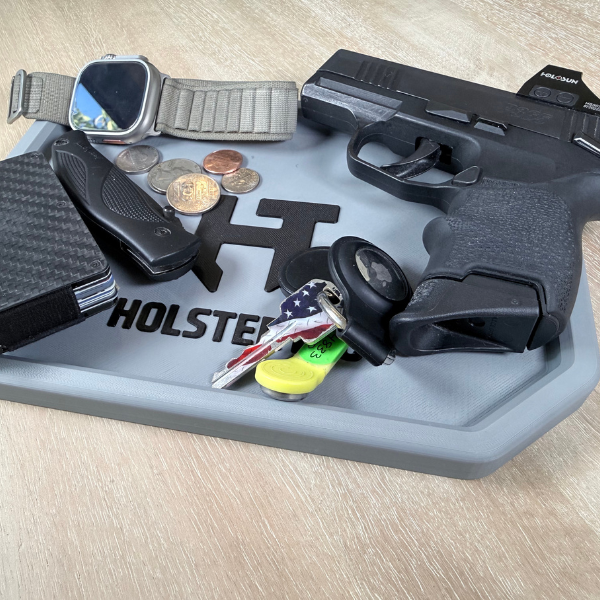
From Belt to Bedside: Build a Complete EDC Comfort Loop
dump trays keep your essentials staged at home. The Cloudster Pillow holster wedge keeps your on-body carry comfortable—so you stay consistent, concealed, and ready all day.

We’ve all been there. You walk through the door after a long day and your pockets are overflowing—keys, wallet, knife, flashlight, phone, maybe a watch you took off mid-shift. For years, the default solution was the “pocket dump”: a messy pile on the counter, a dresser corner, or wherever your hands happened to land first. The problem is that piles don’t stay piles. They spread, they scratch, and they create morning chaos.
That’s exactly why dump trays have become a staple for modern EDC routines. A tray isn’t just a dish—it’s a dedicated landing pad that turns clutter into a system. When your gear always goes to the same place, you stop losing time (and patience) hunting for keys under mail, or realizing your flashlight is still in yesterday’s pants when you’re already late.
This guide is your practical, no-fluff intro to dump trays: why they work, how to set them up, what materials matter, and how to build a consistent “ready-state” routine—especially if your nightly staging includes defensive tools. We’ll also cover safe storage considerations, because organization is great, but safety is non-negotiable.
What Dump Trays Actually Do (And Why the Pocket Dump Fails)
The pocket dump fails for three reasons: surface damage, lost time, and broken habits.
- Surface damage: Keys and pocket knives are basically portable sandpaper. They scratch counters, dent furniture, and grind against your phone and watch.
- Lost time: A pile hides small items—rings, earbuds, a spare mag, a USB drive—right when you need them.
- Broken habits: A pile has no “rules.” Your keys land wherever, so your brain never builds a reliable routine.
dump trays solve all three by creating boundaries. The tray becomes a physical “home” for your daily essentials. It reduces random movement, limits scratching, and makes your routine automatic. It’s the same reason experienced carriers standardize their belt setup: consistency reduces friction.
If you follow EDC culture closely, you’ve seen this shift toward intentional staging—both on-body and off-body. Communities and showcases like Everyday Carry highlight how a repeatable system (not just good gear) is what actually makes daily carry efficient.
Dump Trays vs. Valet Trays: Is There a Difference?
In practice, valet trays and dump trays overlap. The difference is more about vibe and design than function.
- Valet tray: often implies a cleaner, more “dressy” organizer style—think watch, wallet, keys, ring, and maybe a pen.
- EDC dump tray: tends to imply rugged use—knife, flashlight, multi-tool, wallet, phone, and sometimes defensive gear.
Both can be excellent. What matters most is whether the tray supports your actual loadout and your actual routine. If the tray looks great but forces you to stack items, you’re back to square one.
Why Dump Trays Feel Like a “Cheat Code” for Morning Routines
The biggest benefit of dump trays is time. Not theoretical time—real minutes that add up every week. When you stage the same items in the same place every night, the morning becomes a checklist you can see.
That checklist effect is powerful:
- If your wallet spot is empty, you notice immediately.
- If your key fob isn’t in the tray, you don’t waste 10 minutes searching; you know you broke the routine.
- If your flashlight isn’t where it belongs, you catch it before you leave.
This is the same principle behind staging tools in a workshop or keeping medical gear in a fixed location. Your brain operates faster when it doesn’t have to “solve” where things might be.
Choosing the Right Dump Tray Size (Avoid the #1 Mistake)
The number one mistake people make with dump trays is buying one that’s too small. A tray that barely fits a phone becomes unstable. A tray that forces stacking creates scratches and frustration. The goal is “no-stack” staging: every item touches the bottom surface without piling on other items.
Here’s a simple sizing method:
- Lay out your daily items in a single layer (no stacking) on a table.
- Measure the rectangular footprint around them.
- Add 1–2 inches of buffer on each side.
If you’re a minimalist (phone, wallet, keys), a compact tray works. If you carry tools (knife, flashlight, multi-tool), you’ll want more surface area or compartments. The best dump trays match your real loadout—not an idealized version of it.
Material Matters: Leather vs. Kydex vs. Metal vs. Wood
Material isn’t just aesthetics. It affects noise, protection, durability, and how the tray behaves in real life.
Leather Dump Trays
A leather tray is the classic choice for a reason: it’s quiet, soft on finishes, and ages well. If you drop keys in a leather tray, you don’t get that loud “clank” that echoes through the house at midnight. Leather also reduces micro-scratches on phones, watches, and coated flashlights.
- Best for: nightstands, desks, shared spaces
- Strengths: quiet, protective, premium feel
- Watch-outs: requires occasional cleaning/conditioning depending on leather type
Kydex or Metal Dump Trays
Kydex and metal trays lean “tactical”—rugged and easy to wipe down. They can be a great choice for garages, workshops, or entryway stations that take abuse. The downside is noise and potential scratching if the tray isn’t lined.
- Best for: heavy-use areas, rugged environments
- Strengths: durable, simple to clean, structured compartments
- Watch-outs: noisy; choose lined designs for delicate gear
Wood Dump Trays
Wood sits in the middle: warmer than metal, sturdier than thin plastic, and often looks great in an entryway. Felt-lined wood trays can be an excellent all-around option. Unlined wood can still scratch items depending on finish and grit.
- Best for: entryways, dressers, visible decor spaces
- Strengths: good weight, stable, attractive
- Watch-outs: protect finishes; avoid water exposure
If your goal is “effortless” organization, choose the material that removes friction. For most households, that’s why leather-style dump trays remain so popular: they’re quiet, protective, and feel good to use.
Where Dump Trays Work Best (And Where They Don’t)
Location is half the system. A tray in the wrong place becomes decoration. A tray in the right place becomes habit.
Nightstand Station
A nightstand tray supports the “end of day reset.” It’s ideal for charging routines, watch removal, and staging essentials for tomorrow. If you keep your phone on the nightstand, prioritize a tray with cable pass-through or enough space for your charger.
Entryway Station
An entryway tray is the “drop zone.” It prevents keys from disappearing and keeps your pockets from exploding across the kitchen counter. If you live with family, entryway stations reduce clutter for everyone.
Desk Station
A desk tray is perfect if you remove items during the workday—knife, light, pen, badge—then re-pocket before leaving. It prevents scratches and keeps work essentials in one place.
The wrong locations are high-chaos surfaces where the tray gets buried (like the “mail pile zone”). If you place dump trays where clutter already accumulates, you have to fix the surface habit first.
Dump Trays and Defensive Tools: The “Ready-State” Conversation
If your nightly staging includes a firearm, organization becomes more than convenience—it becomes safety, consistency, and risk management.
A common problem is the “nightstand slide”: placing a pistol on a slick surface where it can shift, get bumped, or end up under other items. It can also be noisy and can damage furniture. An EDC dump tray with a dedicated gun position (a holder, post, or slot) attempts to solve this by keeping the grip oriented and repeatable.
Why Orientation Consistency Matters
- Faster access under stress: repeatable grip location reduces fumble time.
- Cleaner staging: keeps the trigger area clear of cables, coins, and clutter.
- Predictable direction: helps maintain a consistent muzzle orientation in your staging plan.
Some dump trays use a vertical post to keep a grip upright, which can reduce “search time” in low light. If you’re exploring this concept, keep the focus on safety and secure storage—not just speed.
The Safety Station Rule (Read This Twice)
A tray is not a safe. A tray is not childproof. A tray is not a substitute for secure storage.
If children, unauthorized visitors, or guests are present (or may be present), the most responsible option is to keep any firearm secured in a rapid-access safe when not on-body. You can still use a tray inside a secured safe for organization and orientation—just don’t treat an open nightstand tray as “secure.”
For safe storage education, resources like Project ChildSafe and the NSSF safety program provide widely recognized guidance on responsible firearm storage and preventing unauthorized access.
The cleanest “Safety Station” setup looks like this:
- On-body carry: your holstered firearm stays on you when practical.
- Off-body staging: if removed, it goes into a rapid-access safe (not loose on a surface).
- Organization: a tray inside the safe (or adjacent to it) keeps items tidy and repeatable.
This approach preserves the benefits of dump trays—organization and consistency—without ignoring real-world risk.
The “Fumble Factor”: Why Trays Reduce Mistakes
Your “fumble factor” is the time and confusion caused by searching for objects in the dark, under stress, or when you’re half awake. In a normal morning, fumbling is annoying. In an emergency, it’s dangerous.
The biggest reason dump trays are so effective is that they reduce decision-making. Your brain doesn’t have to ask, “Where did I set my keys?” because the answer is always the same.
The same logic applies to carry comfort. If your holster digs, you’re more likely to remove it quickly and place it somewhere random. If your carry setup is comfortable, you maintain your routine longer—and your staging stays consistent.
Completing the Comfort Loop: On-Body Comfort + Off-Body Organization
At Cloudster Pillow, we think in systems. Preparedness isn’t just what happens outside the house; it’s how your routine supports readiness every day. dump trays handle the off-body side: the nightly reset, the morning checklist, the staged essentials.
But the other half of the loop is on-body comfort. If your holster is uncomfortable, you’ll take it off sooner, stage it inconsistently, and build bad habits. That’s why the Cloudster Pillow holster wedge exists: to reduce “holster dig,” minimize hot spots, and improve the comfort-consistency-security chain.
A practical daily loop looks like this:
- Daytime: comfortable carry reduces fidgeting and keeps your routine consistent.
- Evening: you reset your essentials into a tray—keys, wallet, light, knife, phone.
- Morning: you re-gear faster because nothing is lost or buried.
This is how dump trays go from “nice accessory” to “secret weapon” for EDC organization.
How to Set Up Dump Trays Like a Pro
1) Build a “No-Stack” Layout
Your phone should not be under keys. Your watch should not be under a knife clip. If you must stack, your tray is too small or your layout needs compartments.
2) Separate Clean vs. Dirty Items
Keys and coins carry grime. Watches and phones deserve a cleaner zone. If your tray doesn’t have compartments, consider a second mini tray for “clean” gear.
3) Add Charging Discipline
If you charge nightly, route the cable so it’s always ready. A tray with a pass-through keeps cables from tangling and keeps your phone staged in one spot.
4) Keep the Tray Where Your Habit Already Happens
Don’t fight your behavior. If you always dump pockets on the counter, put the tray there. Once the habit is locked, you can optimize placement.
5) Make It a Two-Minute Reset
The best routines are short. Empty pockets, stage items, plug in phone, done. That’s the entire point of dump trays: effortless consistency.
Frequently Asked Questions
1) What is the difference between a valet tray and a dump tray?
They’re similar. A valet tray often sounds more formal and minimalist, while dump trays in the EDC world usually imply a more rugged layout designed for tools and daily gear.
2) Is an EDC dump tray with gun holder safe for children?
No. A tray is not a safe. If children or unauthorized visitors are present, use secure storage like a rapid-access safe and follow established safe-storage guidance.
3) Will an EDC gun tray scratch my firearm?
It depends on the tray. Leather/felt-lined trays are generally gentler on finishes. Unlined metal or rough surfaces can cause wear over time.
4) Can I fit a gun with a light and optic in an EDC tray gun holder?
Some holders accommodate various setups, but compatibility varies by design. If you stage defensive tools, prioritize secure storage and repeatable orientation rather than forcing a universal fit.
5) Why do I need a dedicated tray for keys and wallet?
It creates a visible checklist. When your tray has a consistent layout, you immediately notice what’s missing before you leave.
6) Are leather EDC trays durable?
Yes. Quality leather trays are built for daily use and often look better as they develop character. They also reduce noise and protect delicate items.
7) What is the “fumble factor”?
It’s the time lost searching for items under stress or in low light. dump trays reduce the fumble factor by keeping essentials in the same place every day.
8) Can I use a dump tray for gun cleaning?
Yes—trays can be useful for holding small parts, springs, and pins so they don’t roll off the table. Keep cleaning products away from leather surfaces, and always follow safe handling practices.
9) Do dump trays have spots for phone chargers?
Many modern trays include cable pass-throughs or cutouts to keep charging clean and organized. If nightly charging is part of your routine, choose a tray that supports it.
10) Is an EDC dump tray a good gift?
Absolutely. dump trays are practical and used daily, which makes them one of the best “quality-of-life” gifts for EDC enthusiasts.
Related Cloudster Pillow Articles
- The Pocket EDC Dump Tray: A Complete Guide
- Rapid Staging Logistics: The EDC Dump Tray with Gun Holder as a “Ready State”
The best EDC setups aren’t complicated—they’re consistent. dump trays turn a messy pocket dump into a repeatable system: your gear lands in the same place, your mornings get faster, and your essentials stay protected. Combine smart off-body organization with comfortable on-body carry, and you remove friction from both halves of the day.
Upgrade Your Comfort Loop—Every Single Day
Keep your home staging clean with dump trays, and make your carry rig “forgettable” with the Cloudster Pillow holster wedge. Comfort leads to consistency—and consistency is readiness.
::contentReference[oaicite:0]{index=0}
