
CCW Courses and Tips, CCW Training, EDC Gear
Non Lethal Options Legality: Understanding the Rules
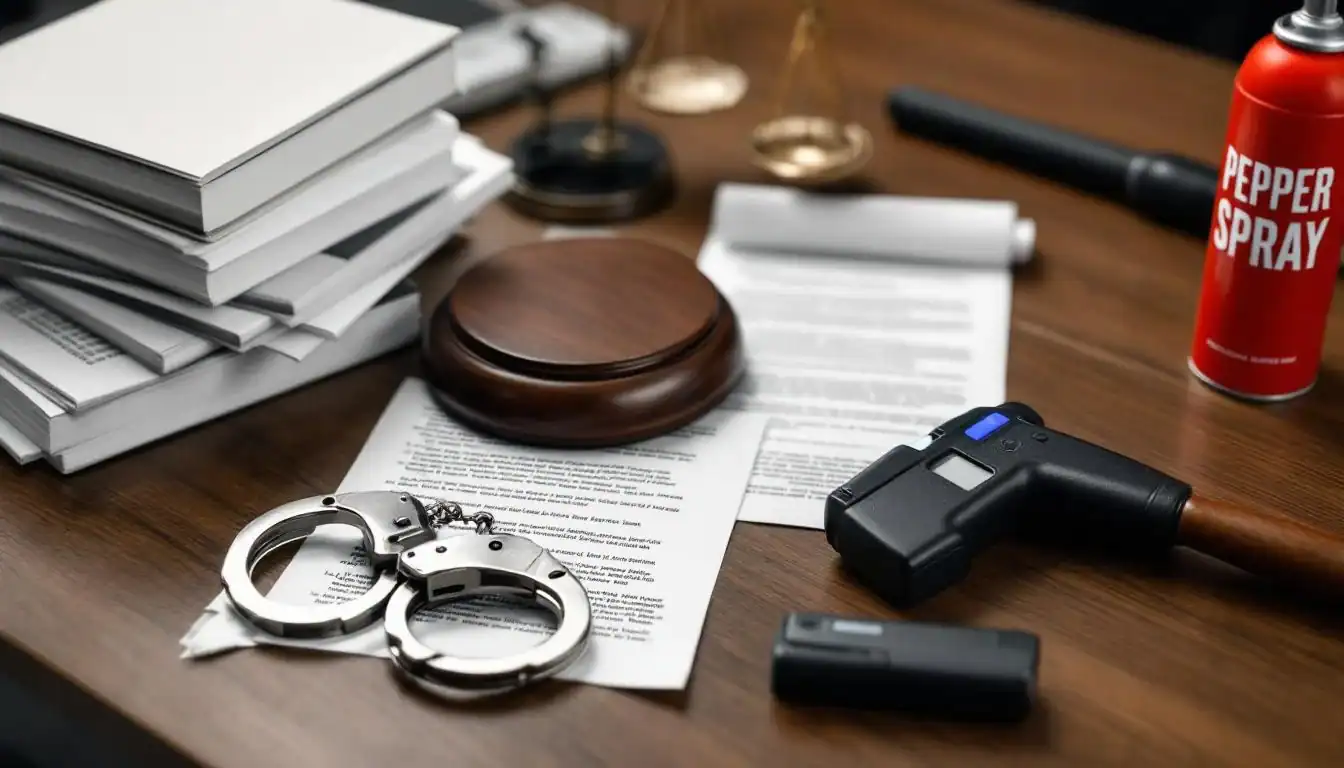
Non lethal options legality is the first thing every self-defense carrier should understand before purchasing any tool. Non-lethal self-defense tools offer real protection, but carrying them legally requires knowing your local rules. Laws vary dramatically by state and even by city, which means what’s legal in one place might get you in serious trouble elsewhere.
At Cloudster Pillow, we help CCW carriers stay comfortable and concealed, but we also know that understanding non lethal options legality is just as important as having the right gear. This guide breaks down the actual regulations you need to follow.
What’s Actually Legal Where You Live
Non lethal options legality varies wildly when it comes to pepper spray. Pepper spray legality shifts dramatically across state lines, and the differences matter more than you’d think. California caps containers at 2.5 ounces, Florida limits you to 2 ounces, and New York requires you to buy in person from a licensed seller-no online orders. North Carolina allows up to 150 cubic centimeters, roughly 5 ounces, giving you significantly more capacity. New Jersey permits adults to carry up to 0.75 ounces, one of the smallest allowances in the nation. These aren’t minor distinctions. A 3-ounce canister purchased in California violates state law, regardless of your intentions.
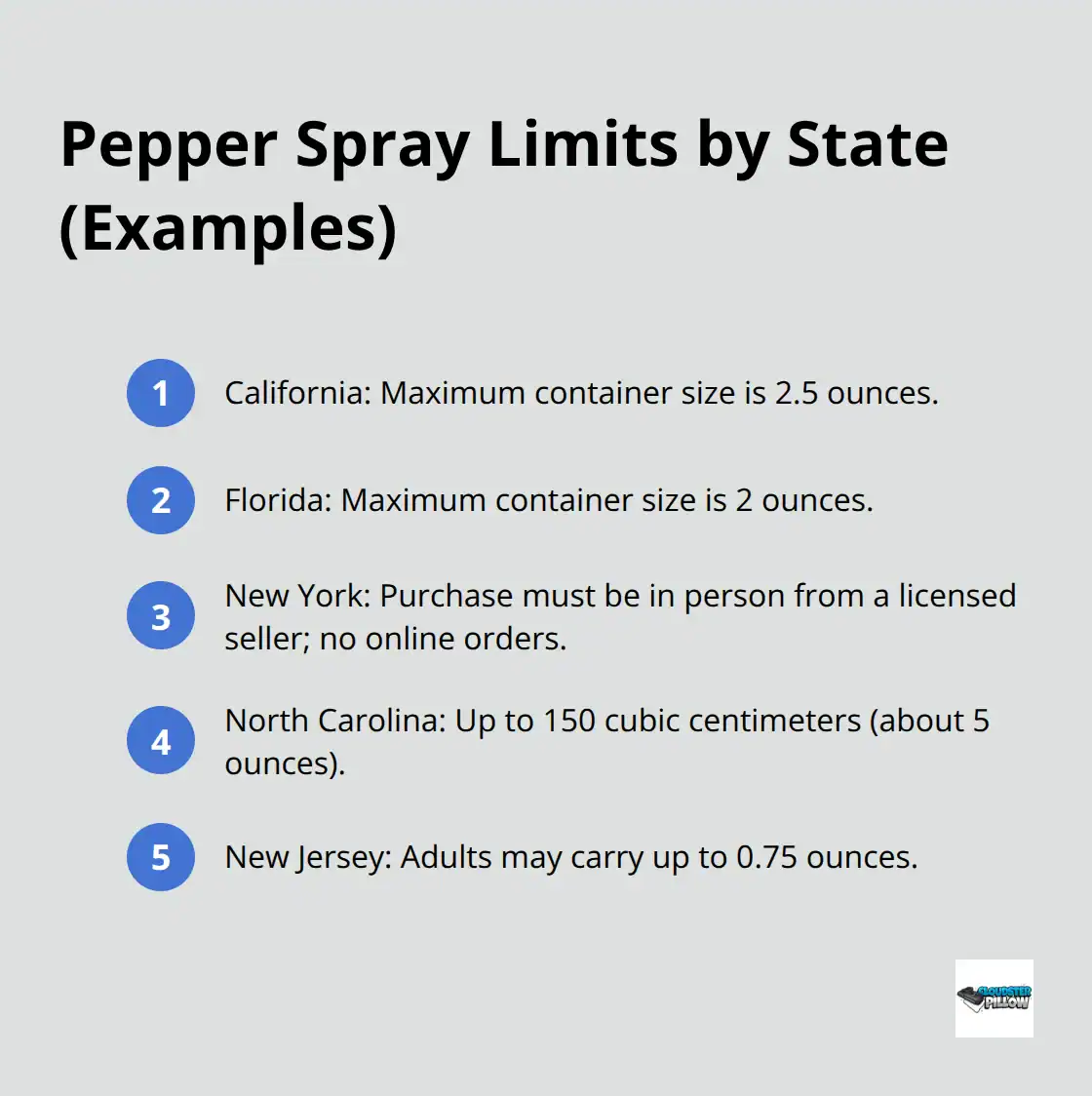
The practical takeaway is straightforward: before you purchase anything, verify your state’s specific capacity limits on the official statute page. Don’t rely on what worked in another state or what a gun store employee tells you. Check California Penal Code sections 22810 and 22610, Florida Statutes 790.001 and 790.053, New York Penal Law 265.20, or your state’s equivalent directly.
Stun Devices Face Stricter Rules Than Pepper Spray
When examining non lethal options legality for stun devices, you will find a completely different legal framework than spray options. Tasers and stun guns operate under separate regulations. Stun devices are legal to own in 47 states and Puerto Rico with little to no restrictions, yet location restrictions still prohibit carrying them in schools or government buildings. Some states like Alabama, Alaska, and others have their own weapon statutes that affect CEW ownership. Many carriers assume that if pepper spray is legal, stun devices are too-they’re not. You could legally carry pepper spray in your state and face felony charges for a taser.
Age restrictions add another layer: most states prohibit possession by anyone under 18, and some require you to be 21. If you’re considering a stun device, contact your state’s attorney general’s office or a local attorney familiar with weapons law. Don’t guess on this one.
School Zones and Government Buildings Kill Your Options
Here’s where most carriers slip up: they know what’s legal to own but forget about location restrictions. Understanding non lethal options legality means knowing where you absolutely cannot carry. Universal prohibited locations include commercial aircraft, federal buildings and courthouses, schools (K-12 in most states), and secured areas. Some states like Georgia impose school-safety zone restrictions that extend beyond campus boundaries. The consequence isn’t a warning-it’s potential felony charges. Your commute might take you past a school, and carrying pepper spray through that zone violates state law regardless of the device’s legality elsewhere. Map your daily routes and identify restricted areas before you carry anything. If your path crosses a school zone, consider carrying only after you’ve cleared that area or choose a different route entirely.
Why Age and Permit Requirements Vary So Much
Most states prohibit possession by anyone under 18, and some require you to be 21 before you can purchase non-lethal devices. Background checks and licensing requirements differ wildly-some states demand them, others don’t. Law enforcement and security professionals often receive exemptions that regular carriers don’t get. These variations in non lethal options legality exist because states approach self-defense differently, and what one state considers reasonable, another views as excessive. Understanding your state’s specific age threshold and permit requirements prevents costly mistakes. Contact your state’s attorney general’s office to confirm the exact rules that apply to you, not to someone in another state.
Location Restrictions Extend Beyond What You’d Expect
Restricted areas include obvious places like schools and courthouses, but also extend to airports, government buildings, and sometimes public transportation. Some states define school zones broadly-Georgia’s restrictions extend beyond campus boundaries, catching carriers who thought they were safe. Your daily routine might cross multiple restricted zones without you realizing it. The solution requires actual planning: map your routes, identify where restrictions apply, and adjust your carry strategy accordingly.
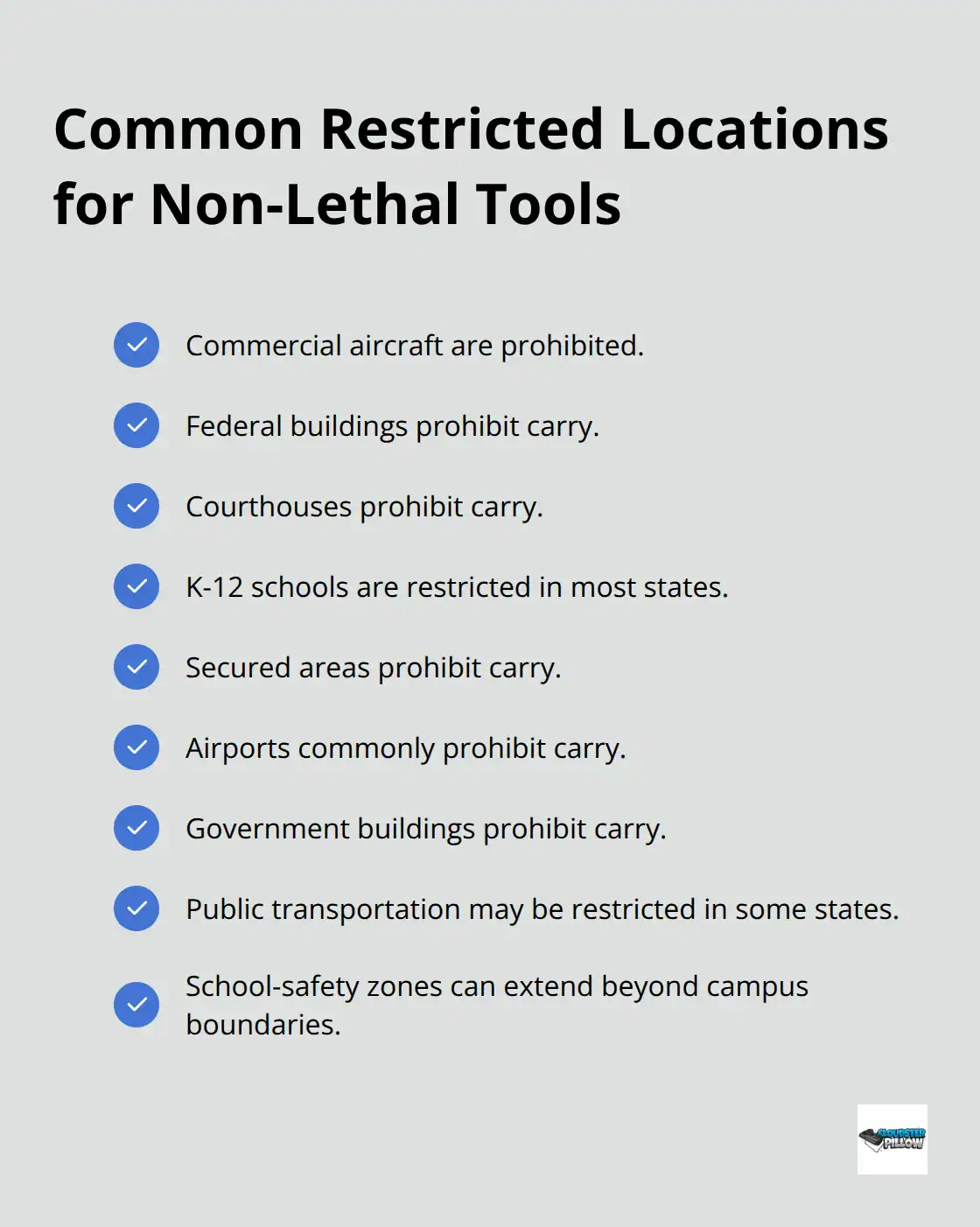
This isn’t about avoiding the law-it’s about understanding exactly where you can and cannot carry your chosen non-lethal tool so you stay protected without legal exposure. When you’re carrying, comfort matters just as much as compliance-that’s where the Cloudster Pillow comes in, keeping your holster positioned perfectly throughout the day.
Age Requirements and Permit Restrictions
Minimum Age for Purchasing Non-Lethal Devices
Most states prohibit anyone under 18 from purchasing pepper spray, tasers, or stun guns, though some states raise the minimum age to 21. This variation means a 19-year-old can legally buy pepper spray in Texas but faces legal barriers in states with stricter age gates. Arkansas Code sections 5-73-124 and 5-73-133 explicitly set age restrictions on non-lethal devices, and Illinois requires a FOID card to acquire pepper spray, which carries its own age requirements tied to firearm regulations.
Your age determines what you can legally purchase before you even consider non lethal options legality by location. Contact your state’s official website to verify age restrictions on non-lethal devices in your jurisdiction. Don’t assume your age qualifies you just because you’re an adult. Some states treat non-lethal purchases like firearm transactions, while others impose minimal restrictions. If you’re under 21, verify the exact threshold in your jurisdiction before visiting a retailer or placing an online order.
Background Checks and Licensing Requirements
Background checks and permits create another layer of non lethal options legality complexity that catches carriers off guard. Some states demand neither, while Illinois essentially requires a FOID card to possess pepper spray, merging non-lethal regulations with firearm licensing. New Jersey adults can carry pepper spray up to 0.75 ounces without permits, but stun gun possession involves different rules. Law enforcement and security professionals often receive exemptions that don’t apply to civilian carriers, meaning a police officer might carry devices that are outright illegal for you. The key distinction involves understanding whether your state treats non-lethal devices as weapons requiring permits or as consumer products with minimal oversight.
Call your state police non-emergency line or attorney general’s office and ask whether background checks or permits apply to your chosen non-lethal tool. Don’t rely on what a gun store employee tells you, because their knowledge may be limited to firearms licensing. The conversation takes five minutes and prevents months of legal exposure. Once you know what’s legal to carry, you need to understand how location restrictions actually affect your daily routine and what happens when you cross into prohibited zones. Comfort matters too-proper gear like the Cloudster Pillow holster wedge at https://cloudsterpillow.com/holster-wedge/ keeps your carry comfortable and concealed while you navigate these legal requirements.
Common Legal Mistakes Non-Lethal Carriers Make
The Ownership-to-Carrying Gap Destroys Carriers
The gap between what’s legal to own and what’s legal to carry destroys more carriers than any single mistake. You can legally purchase pepper spray in Florida under Florida Statutes 790.053, walk into a courthouse to handle paperwork, and face felony charges the moment security detects it. This isn’t a technicality-it’s the difference between staying free and spending time in jail. Federal buildings, state courthouses, and school zones all prohibit non-lethal devices regardless of state legality.
Many carriers assume their daily commute avoids these areas, then realize too late that their route crosses a school safety zone or passes within restricted distance of a courthouse entrance. Georgia’s school-safety zone restrictions extend beyond campus boundaries, catching carriers who thought they were safely past the school itself.
Map your actual routes before you carry anything. Identify every courthouse, federal building, school, and airport within a mile of your daily movements. If your commute crosses restricted territory, you have three options: carry only after you clear the zone, change your route, or leave your non-lethal tool at home. None of these feels convenient, but conviction records feel much worse.
Confusing Possession Laws With Carrying Laws
The second critical mistake involving non lethal options legality is confusing possession laws with carrying laws. Many states permit you to own a taser or stun gun at home while explicitly prohibiting you from carrying it in public without a permit. Illinois requires a FOID card to acquire pepper spray, yet carrying it in certain public spaces violates additional statutes. New York permits possession but restricts where you can transport it. You might legally store a device in your car glove compartment while parked at home, then face charges for having that same device accessible while driving through a restricted zone.
Transportation rules matter more than most carriers realize. If you transport non-lethal devices, keep them in a locked container separate from your person during travel through restricted areas. Never keep pepper spray or a stun device in your vehicle’s cup holder or center console where it’s immediately accessible. Store it in the trunk or a locked safe if you must transport it through prohibited zones.
Active Planning Replaces Passive Compliance
The practical reality is that non lethal options legality requires active planning, not passive compliance. You need to know exactly which routes are safe, which venues prohibit your chosen device, and how to transport gear legally. Once you’ve mapped those restrictions and chosen your carry method, comfort becomes the next essential factor. Quality gear keeps your setup comfortable throughout the day while you maintain legal compliance.
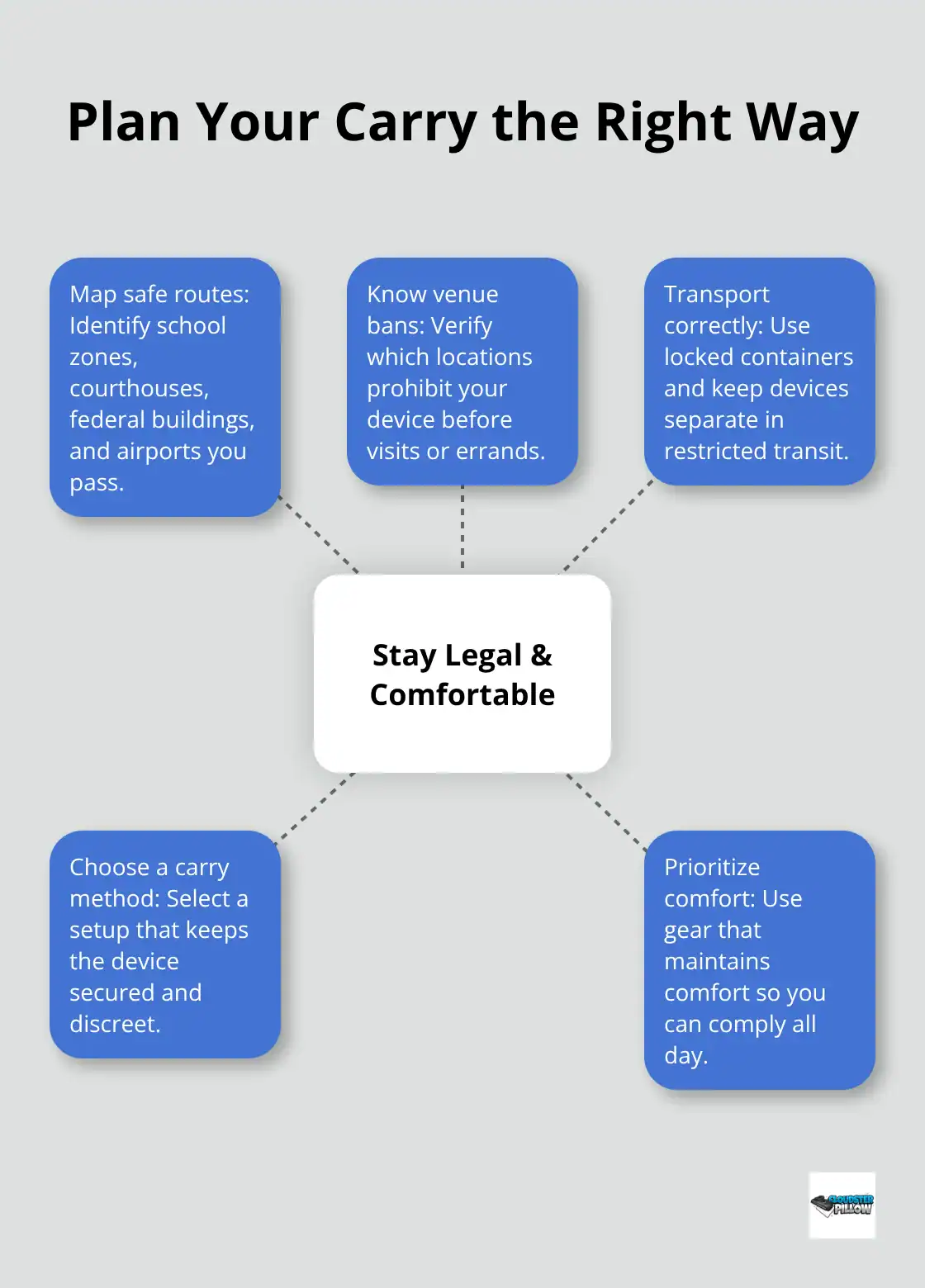
That’s where the Cloudster Pillow holster wedge makes a difference-it delivers the comfort and concealment you need to carry responsibly every single day.
Final Thoughts
Non lethal options legality requires you to take three concrete actions before you carry anything. Visit your state attorney general’s office website or call their non-emergency line and ask what devices are legal to own, what age requirement applies, and what location restrictions prohibit carrying. Write down the answers and the statutes they reference, because this conversation takes minutes and prevents months of legal exposure.
Map your actual daily routes and identify every courthouse, federal building, school, and airport within a mile of your movements. Mark restricted zones on a map or in your phone, because your commute likely passes through at least one restricted area you haven’t considered. This planning step separates carriers who stay legal from those who accidentally cross into prohibited territory.
Once you’ve verified what’s legal and mapped your routes, comfort becomes your next priority. Carrying all day means your gear needs to work with your body, not against it, so we at Cloudster Pillow designed our holster wedge specifically for everyday carriers who need comfort and concealment without replacing their entire setup.
