CCW Training
Practical Carry Training: Real Skills For Everyday Carriers
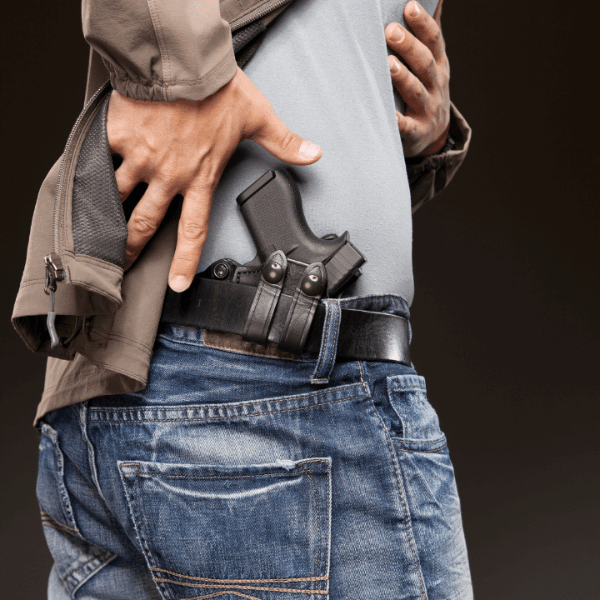
Most CCW carriers train sporadically, if at all. The gap between owning a gun and actually knowing how to use it under pressure is where real problems start.
We at Cloudster Pillow believe that practical carry training isn’t about fancy techniques-it’s about building repeatable skills that work when it matters. This post covers the fundamentals, real-world drills, and gear setup that keep you training consistently and carrying safely.
Building Practical Skills That Actually Work
Master Marksmanship Through Progressive Drills
Marksmanship starts with fundamentals, not range heroics. Most carriers focus on speed before they master accuracy, which wastes ammunition and builds bad habits. Start with a 7-yard line and fire groups of three rounds at a target. Your goal is to keep all three rounds within a 3-inch circle. Once you can do this consistently for 30 rounds, move to 10 yards and repeat.
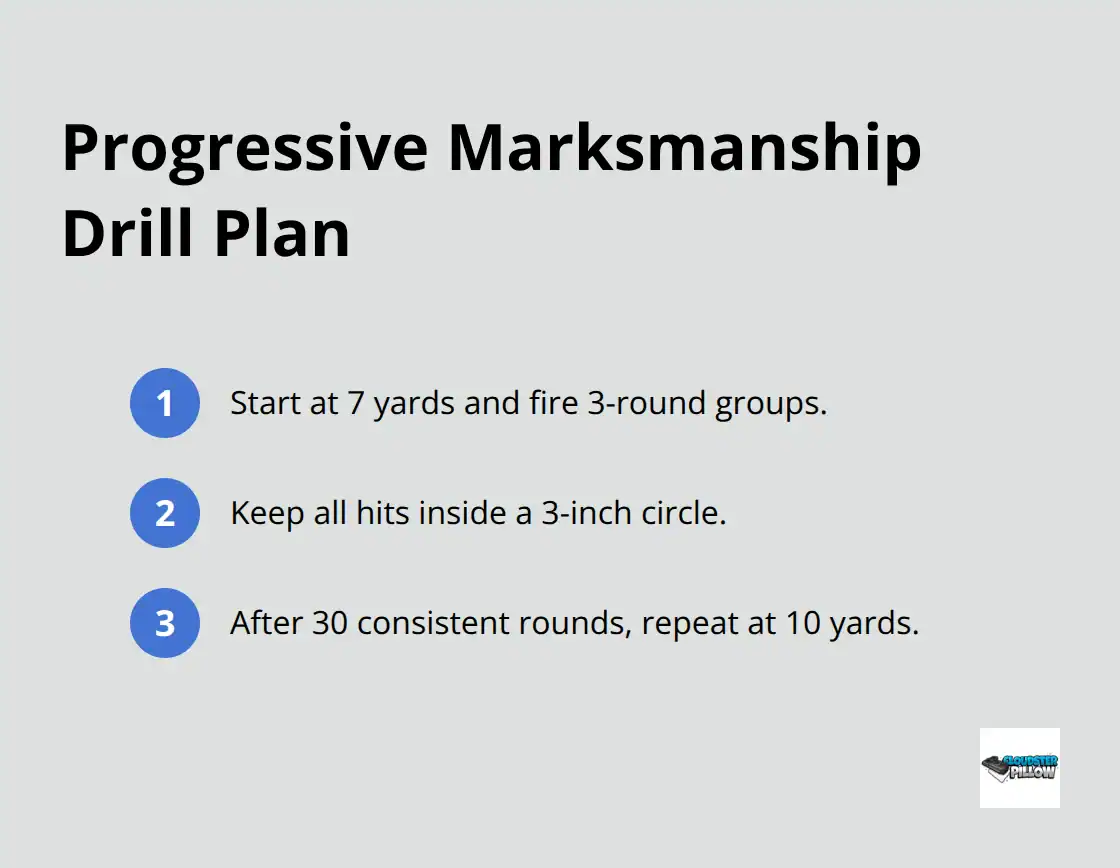
Progressive training helps responsible gun owners build and sharpen the lifesaving skills required for protecting themselves and their loved ones.
Shoot at least twice monthly to maintain baseline accuracy. If you shoot less frequently, your skills degrade faster than you think. Between range sessions, dry-fire practice at home costs nothing and builds muscle memory. Set up a safe direction in your home, use an unloaded firearm, and practice your draw and presentation for 10 minutes daily. This habit alone separates serious carriers from casual gun owners.
Situational Awareness Before You Need It
Situational awareness matters more than your draw speed. Most self-defense encounters happen because carriers failed to notice threats early. The color-coded awareness framework-white (relaxed), yellow (alert), orange (specific threat identified), and red (defensive action)-gives you a mental tool to stay present. Spend the next week practicing yellow awareness during daily activities. Notice exits, people’s body language, and anything unusual in your environment. This isn’t paranoia; it’s pattern recognition.
When you train, incorporate realistic distractions. Practice drawing while responding to verbal commands or unexpected sounds. The range is quiet and controlled, but real life isn’t. Add movement to your training too. Draw from concealment while stepping left or right, not just standing still. Most carriers practice static draws and freeze when they need to move. Spend 25 percent of your practice time moving and only 75 percent standing still.
Optimize Your Holster Setup for Consistent Training
Your holster choice directly impacts how well you can execute these skills. An uncomfortable holster that prints or shifts stops you from training consistently. A quality holster wedge improves IWB and AIWB comfort by reducing printing and movement, which means you actually practice instead of abandoning your carry setup. When your gear works with your body instead of against it, training becomes sustainable rather than something you dread.
The next section covers the real-world scenarios where these fundamentals prove their worth.
Training Under Pressure and Time Constraints
Master Low-Light Shooting Fundamentals
Low-light and high-stress environments separate theoretical knowledge from actual performance. Most range training happens in daylight with unlimited time to aim, which creates a dangerous disconnect from reality. Start training with a flashlight held in your support hand while you draw and engage targets at 7 yards. Your accuracy will drop noticeably at first-this is normal. Practice this drill twice monthly until your hits stay within the vital zone even with one-handed light manipulation.
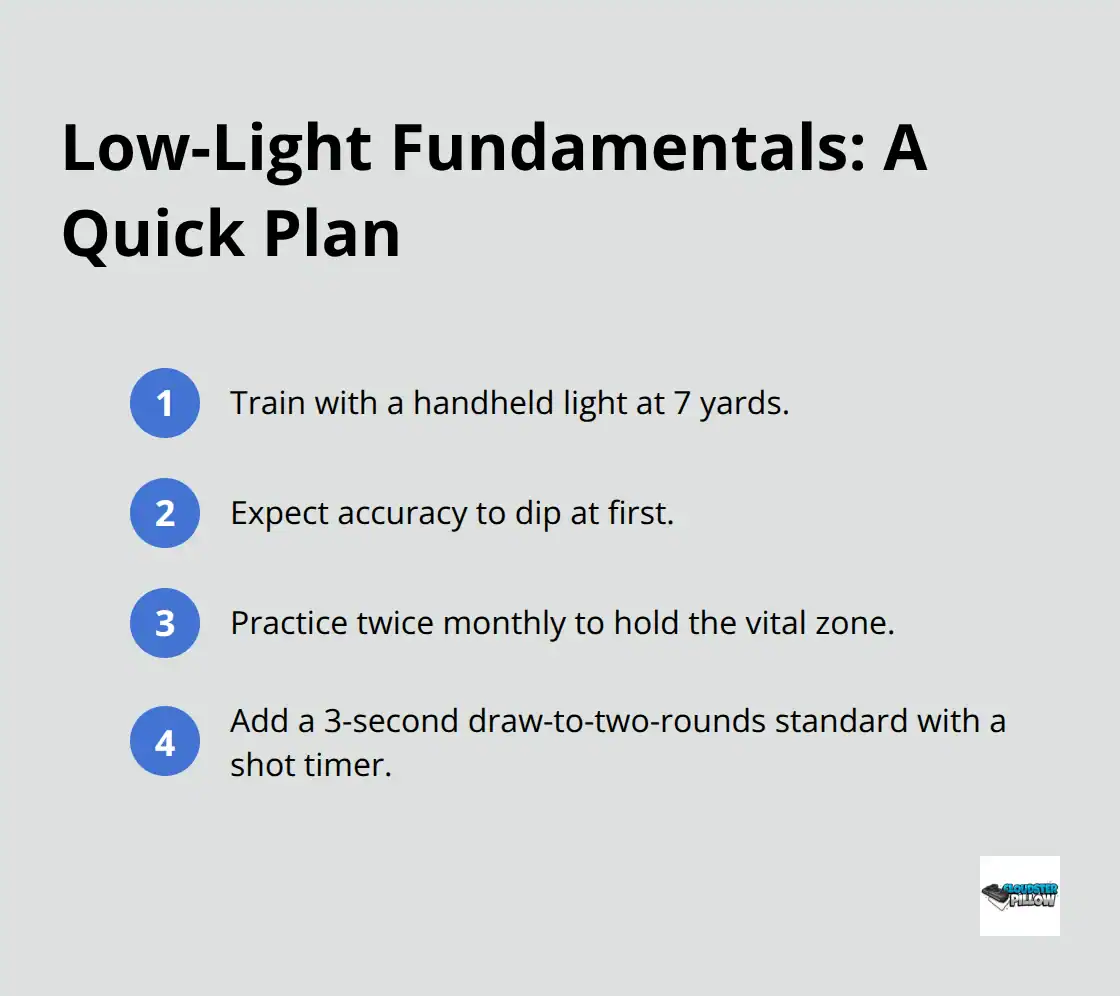
Add time pressure by setting a shot timer and requiring your draw and first two rounds downrange within 3 seconds. USCCA training emphasizes that real encounters often happen in low-light conditions, making this skill non-negotiable for daily carriers.
Incorporate Movement and Cover Into Every Drill
Incorporate movement into these drills immediately. You must draw while moving laterally to cover, not just standing flat-footed. Most carriers practice static presentations and freeze when they need to move. Spend at least 30 percent of your low-light training on movement, using barriers or vehicles as improvised cover. You should also practice from different positions. Train from seated, kneeling, and prone positions because threats don’t wait for you to stand upright. Time pressure matters more than most carriers realize. Set your shot timer for 2 to 3 seconds and require yourself to draw, present, and fire accurate rounds within that window. The pressure of the timer forces you to identify inefficiencies in your draw and presentation that calm practice never reveals. Track your times and accuracy percentages across sessions. If your draw time increases but accuracy drops below 80 percent, you prioritize speed over control, which defeats the purpose.
Train the Way You Actually Carry
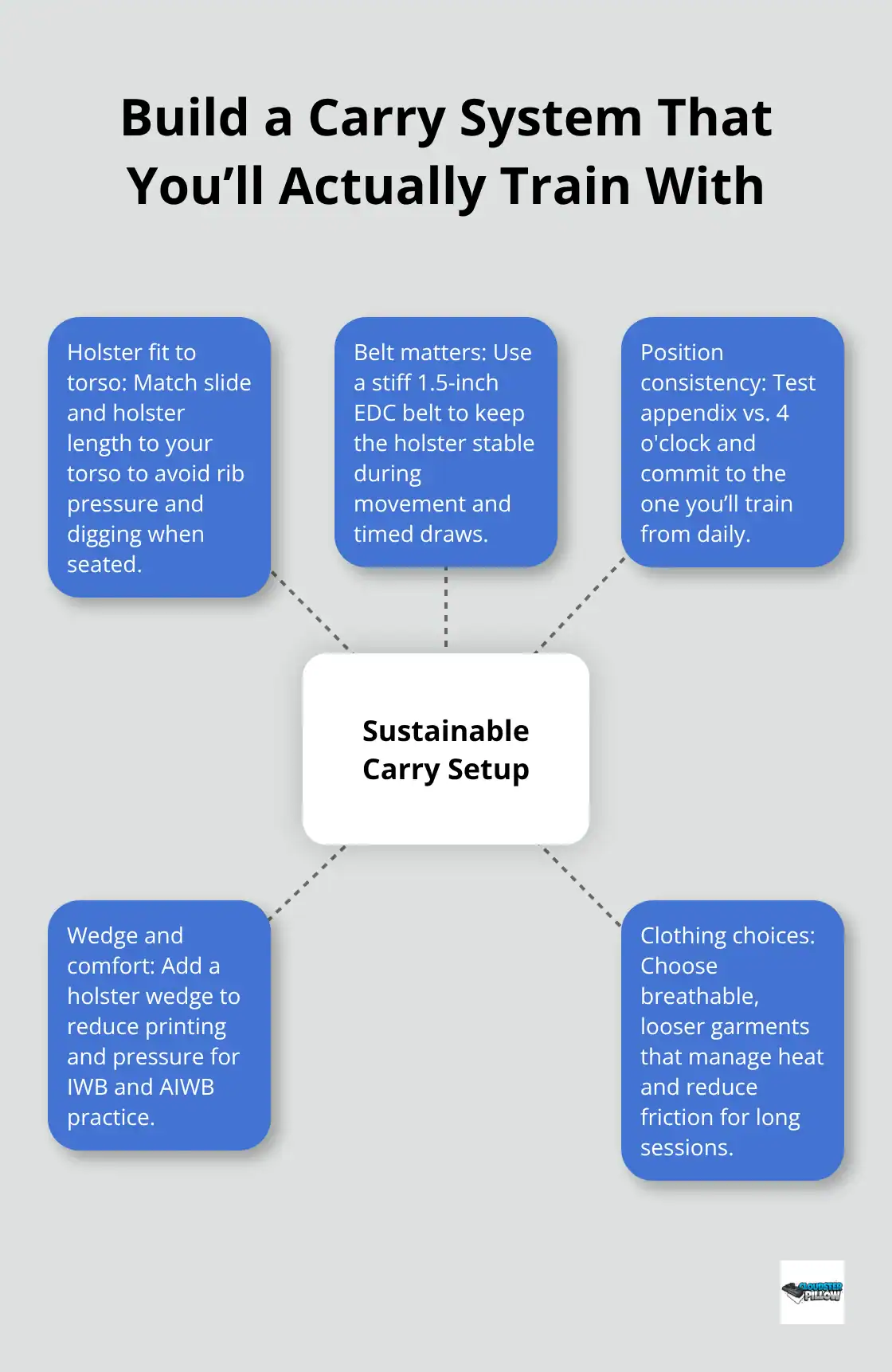
You must train the way you carry. Many carriers practice with exposed holsters or open carry setups at the range, then carry concealed in the real world. This mismatch means your practice doesn’t transfer to your actual carry method. You should draw from your exact carry position with your actual holster, clothing, and belt setup. If you carry appendix inside-the-waistband, practice appendix draws exclusively during training. If you carry 4 o’clock, train from 4 o’clock. Your muscle memory is position-specific, and switching between practice and carry creates dangerous inconsistency.
Clothing matters more than most carriers realize. Tight shirts slow your draw compared to loose cover garments. You should train in the actual clothing you wear daily. If you typically carry under a fitted t-shirt, that’s what you should practice with. If you wear loose jackets, practice with those too. The concealment that works in the parking lot at night doesn’t work under fluorescent lights at the grocery store, and your training should reflect this reality.
Optimize Gear Comfort for Sustainable Practice
Gear comfort directly impacts training frequency. An uncomfortable holster setup that shifts or prints stops you from practicing the way you carry. When your holster and belt work together to keep everything stable and concealed, you actually train consistently instead of abandoning practice sessions. This consistency compounds over months and years, building real competence instead of sporadic skill that fades between range trips. The next section covers how to select and optimize your complete carry setup for maximum comfort and performance.
Gear That Fits Your Body, Not Your Wishlist
Match Your Holster to Your Torso Length
Your body type determines which holster setup actually works for daily carry, yet most carriers ignore this reality and purchase whatever wins online reviews. A holster that works perfectly for a 6-foot athletic carrier often fails for someone with a shorter torso or a rounder midsection. Start by measuring your actual carry position. Stand in front of a mirror, place your hand where you intend to carry, and mark that spot on your body with tape. Now measure the distance from your hip bone to your lowest rib. This measurement determines whether you need a compact 3-inch holster or a full-size 4-inch option. Carriers with shorter torsos often find that full-size holsters dig into their rib cage during seated training, making practice sessions painful enough to skip.
Compact holsters eliminate this problem but sacrifice sight radius and capacity.
Invest in a Quality Belt and Kydex Holster
Your belt width and stiffness affect holster performance dramatically. A flimsy 1.25-inch belt allows holsters to shift during movement and drawing, which degrades your training consistency and creates safety issues. A quality 1.5-inch EDC belt with proper stiffness keeps your holster stable whether you move laterally or draw under time pressure. Kydex holsters paired with premium belts reduce printing significantly compared to loose setups, according to feedback from thousands of everyday carriers across online communities. This stability directly improves your ability to train the way you actually carry.
Identify Your Ideal Carry Position Through Testing
Discomfort during training stops most carriers from practicing consistently, and the problem usually stems from holster pressure points rather than the carry method itself. IWB carriers often experience discomfort at the belt line where the holster digs into their abdomen, while AIWB carriers frequently complain about pressure against their ribs during seated work or driving. These issues aren’t inevitable-they’re signals that your holster geometry doesn’t match your body. Appendix carry works well for fast access, but it requires forward cant angles and specific grip sizing to avoid discomfort when sitting. A holster wedge designed for AIWB reduces printing and pressure by distributing contact across a wider area, which allows you to train in realistic positions like seated and driving scenarios without abandoning your setup.
Test multiple holster positions before committing to expensive gear. Carry in appendix position for a week, then switch to 4 o’clock, then try behind-the-hip carry. Track which position creates the least discomfort during your daily activities and your training sessions. The position that feels best after a full day of normal activity is usually the one you’ll actually train from consistently.
Choose Clothing That Reduces Friction and Heat
Clothing choice amplifies or reduces holster discomfort significantly. Looser garments and breathable fabrics allow better airflow and reduce friction against your skin, while tight synthetic shirts trap heat and create chafing during extended wear or training. Dress for your climate and your training schedule. If you practice in summer heat, avoid cotton blends that absorb sweat-choose moisture-wicking materials instead. Your holster setup should feel natural enough that you forget you’re wearing it, even during intensive training sessions where you draw repeatedly and move under stress.
Final Thoughts
Practical carry training separates responsible gun owners from people who simply own guns. The fundamentals you’ve learned-progressive marksmanship, situational awareness, realistic drills, and proper gear selection-compound over months and years into genuine competence. Most carriers stop training because discomfort makes practice unsustainable, not because the drills prove too difficult.
Your training consistency depends on three factors working together. Your skills must progress through deliberate practice with measurable feedback, your mindset must shift from occasional range trips to regular purposeful training that mirrors real-world conditions, and your gear must support this commitment without creating friction that stops you from practicing the way you actually carry. An uncomfortable carry system that prints or shifts during movement becomes an excuse to skip practice sessions, while a stable setup keeps you training frequently because your gear works with your body instead of against it.
Start this week by committing to one specific carry training goal-either twice-monthly range sessions with progressive drills, daily dry-fire practice at home, or testing a new carry position to find what works for your body. We at Cloudster Pillow understand that comfort drives consistency, which is why our holster wedge solutions reduce printing and pressure points for both AIWB and IWB carriers so you actually train instead of abandoning your setup.