
Articles and Blogs, Carry Techniques and Optimization, CCW Awareness & Mindset
Real Life Preparedness Mindset: Ready for Whatever Comes
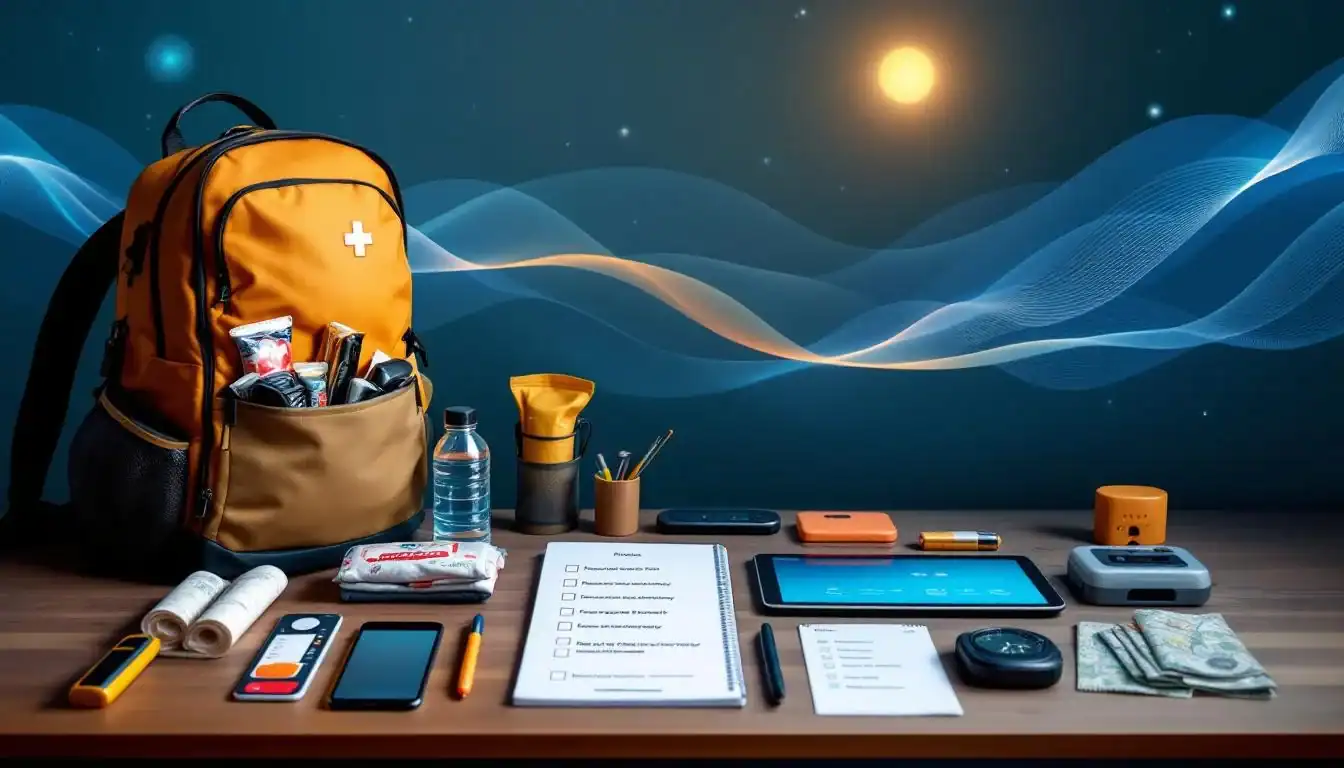
Most people react to emergencies. The truly prepared ones respond with clarity and confidence.
A real life preparedness mindset isn’t about stockpiling gear or memorizing worst-case scenarios. It’s about building the mental framework and habits that let you handle whatever comes your way. Here at Cloudster Pillow, we believe that readiness starts between your ears, not in your gear bag.
This post walks you through the mindset shifts, practical plans, and daily habits that separate prepared people from everyone else.
What Actually Makes Someone Prepared
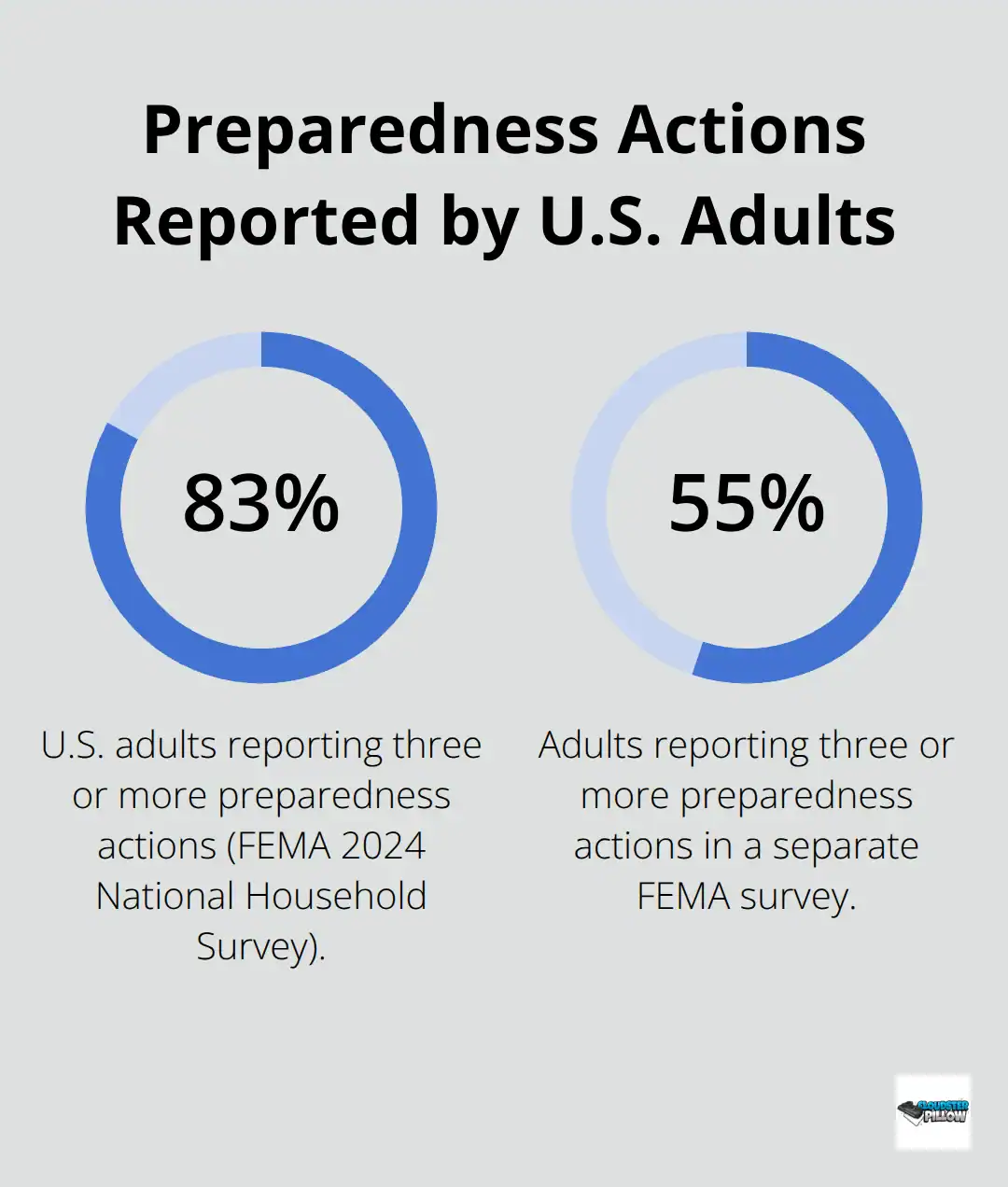
The difference between prepared people and everyone else isn’t intelligence, wealth, or access to information. According to FEMA’s 2024 National Household Survey, 83 percent of U.S. adults have taken three or more preparedness actions, yet most still feel unprepared when real emergencies hit. The gap exists because prepared people think differently about risk and response. They accept that bad things happen to regular people, not just to others.
This acceptance eliminates optimism bias, which causes most people to rationalize that disasters won’t affect them personally. Prepared people also reject normalcy bias-the tendency to assume calm periods mean safety will continue. Instead, they build redundancy into their lives and decisions. They maintain basic skills like first aid, know where their important documents are stored, and practice their emergency plans regularly. They don’t wait for a crisis to think through how they’d respond. They’ve already done it multiple times in their heads and on paper.
Your Mindset Controls Your First Decision
When an actual emergency hits, your brain doesn’t have time to figure things out. It defaults to whatever pattern you’ve already established. If you’ve never thought through what you’d do during a home invasion, medical emergency, or natural disaster, your brain will freeze or panic. Prepared people avoid this because they’ve already decided how they’ll respond. They’ve trained their nervous system to stay functional under stress. This is why consistent practice matters more than expensive gear. A person who has run through their evacuation plan five times will respond faster and smarter than someone with a survival kit who has never practiced. The training rewires your neural pathways so your body can execute while your conscious mind stays calm.
You need to practice your plan in realistic conditions, not just mentally. Test your emergency communication plan. Walk through your home and identify exits. Practice moving to your safe room in the dark. Do a drill where you actually gather your family or roommates and execute your plan. Real practice under realistic pressure creates muscle memory and confidence that can’t come from reading about preparedness.
Building Skills You’ll Actually Use
Most prepared people focus on skills they can use daily, not exotic survival techniques. First aid knowledge is worth developing because you might use it to help a family member or stranger this year. Understanding your local weather patterns and seasonal risks helps you prepare specifically for what could actually happen to you. Someone in Montana faces different risks than someone in Florida, yet many people follow generic preparedness advice that doesn’t match their reality.
Assess what emergencies are statistically likely where you live and work. Research your area’s flood risk, wildfire exposure, severe weather history, and crime statistics. Then develop skills and plans that address those specific threats. A person living in an apartment needs different preparedness than someone with a house and yard. Urban preppers are learning to work with limited space and resources. They rotate supplies efficiently, choose compact gear, and focus on skills over stockpiles.
Your preparedness plan should fit your actual life, not some idealized version of it. When your plan is realistic and specific to your situation, you’ll actually maintain it. When it’s generic and burdensome, you’ll abandon it after a few months. Real readiness extends to how you carry your defensive tools daily. Comfort and confidence in your carry setup-whether that’s your firearm, first aid kit, or emergency supplies-directly affect whether you maintain your preparedness consistently. The next step is turning this mindset into an actual plan you can execute.
From Risk Assessment to Action Plan
Identify Your Actual Threats
Start with what actually threatens you, not what sounds dramatic online. 55 percent of adults surveyed stated they had pursued three or more preparedness actions, yet most people skip the foundational step of identifying their specific risks. Your first move is brutally honest self-assessment. Live in Florida? Hurricanes and flooding are your primary concern. Montana? Severe winter weather and isolation matter more. Urban apartment dweller? Your evacuation routes, shelter-in-place options, and emergency communication with neighbors become critical.
Write down the three to five emergencies most likely to affect your household based on local history, geography, and your personal circumstances. Then research how these events have actually played out in your area. Look at local news archives, insurance company data, and community emergency management reports. This specificity transforms vague preparedness into targeted action.
Build a Plan That Matches Your Real Life
Your plan fails if it’s too complex or requires resources you don’t have. Someone working two jobs with three kids needs a fundamentally different preparedness approach than a retired person with flexible time and savings. Start with communication: identify where family members will go if separated, establish an out-of-area contact person, and write down how you’ll reach each other during different scenarios.
Then address shelter and supplies. Most families need several days of supplies, but urban dwellers often start with two weeks in limited space. Rotate your stock systematically so nothing expires unused. Test your plan at least annually through realistic drills. Walk through your evacuation route in daylight and darkness. Practice your communication plan without phones to see what breaks.
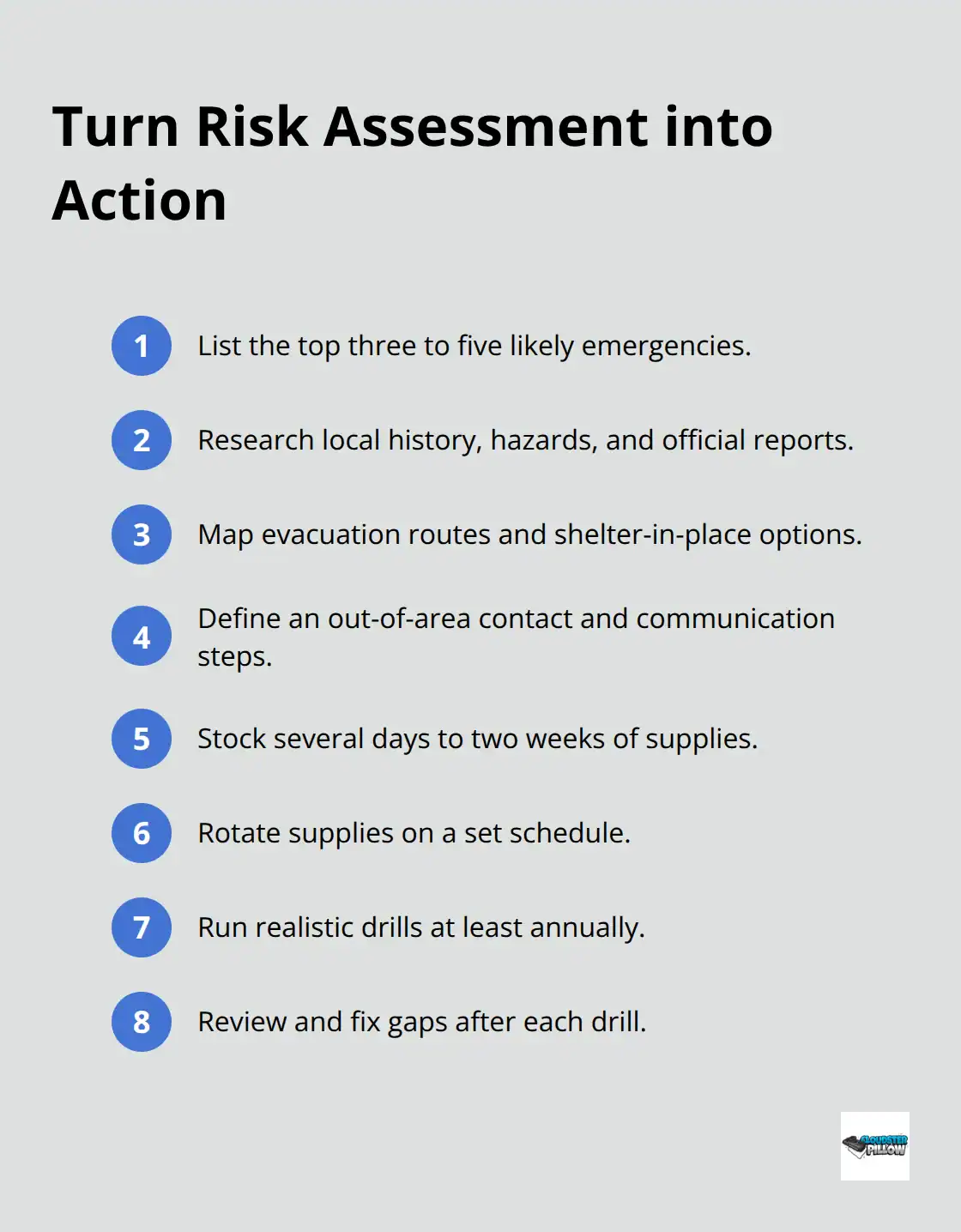
Identify what you actually forgot, what takes longer than expected, and where your plan conflicts with your real schedule. Every drill exposes gaps that feel obvious only when you execute under pressure.
Connect Your Carry Setup to Your Readiness
For home defense and personal security, your preparedness directly connects to how you carry daily tools. Comfort matters because inconsistent carry undermines all your planning. If your holster setup leaves you sore or self-conscious after eight hours, you’ll skip carrying on routine days when actual threats are most likely. Real readiness means your defensive setup feels natural enough that you maintain it automatically. This consistency-showing up day after day with your tools ready-separates people who plan from people who actually stay prepared. Consider adding a holster wedge to your IWB or AIWB setup for better comfort and concealment, ensuring your carry remains reliable when it matters most.
The Daily Habits That Separate Ready People from Everyone Else
Prepared people maintain readiness through unglamorous daily habits that most people skip because results aren’t immediate. The difference shows up not in crisis moments but in the small decisions you make every single day.
Physical Fitness Supports Your Response Capacity
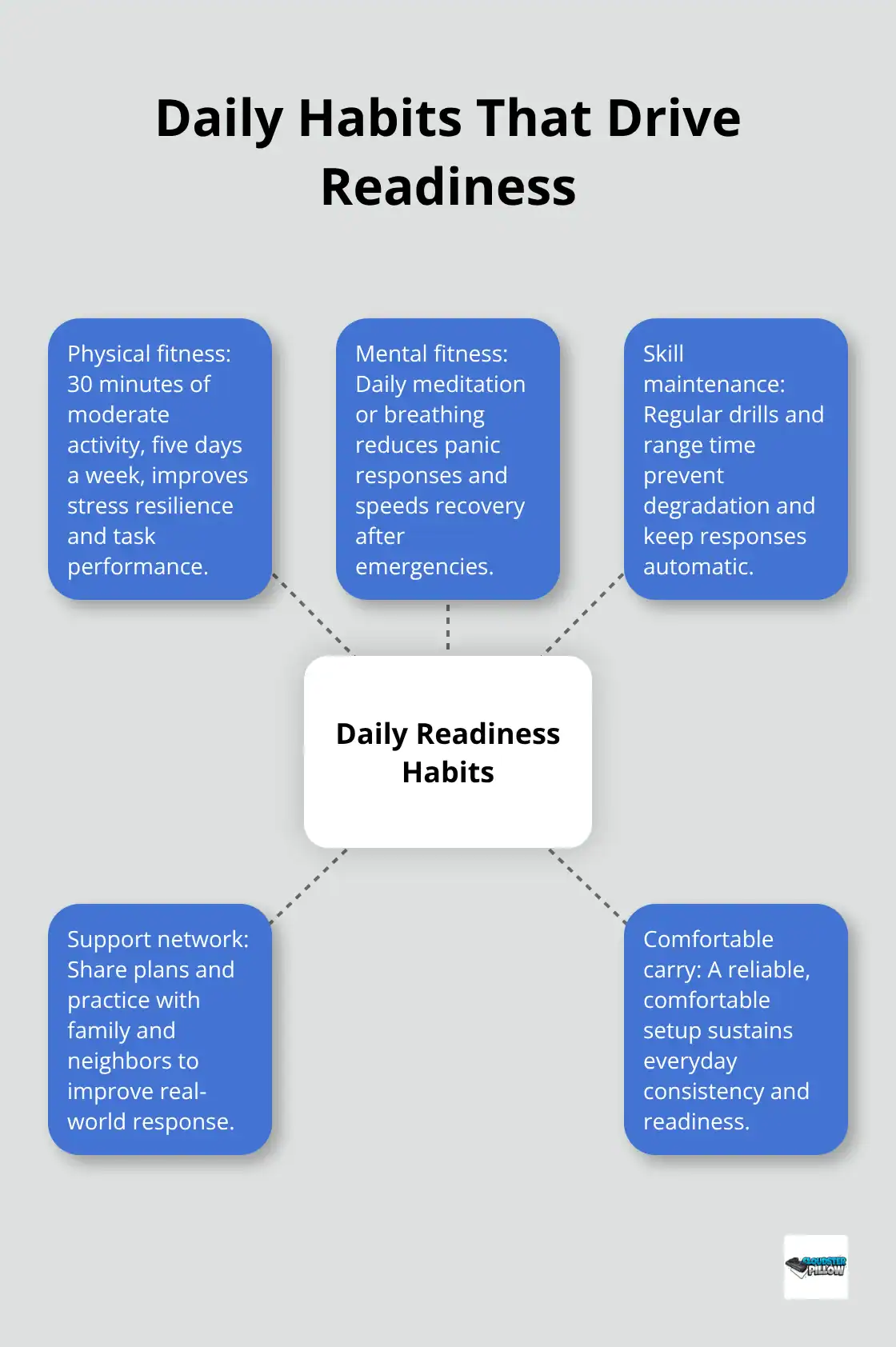
Physical fitness directly impacts your ability to respond under stress. Research shows that people who exercise regularly maintain better decision-making and emotional regulation during high-stress situations. This doesn’t mean training for a marathon. Thirty minutes of moderate activity five days per week improves cardiovascular function, stress resilience, and your ability to execute physical tasks under pressure.
Someone carrying defensively needs baseline fitness to move effectively, control their firearm safely, and maintain alertness during long days. Your body won’t perform under pressure if you haven’t trained it to handle physical demands. Fitness compounds over time-the person who walks thirty minutes daily for a year responds faster and thinks clearer than someone who trains sporadically.
Mental Fitness Prevents Panic Responses
Mental fitness matters equally to physical conditioning. Meditation or structured breathing practices take fifteen minutes daily and demonstrably reduce panic responses. Research on critical incident stress management indicates that people with consistent stress-management practices recover faster from emergencies and make fewer critical errors under pressure.
Your nervous system learns what you teach it. Repeated calm breathing under normal conditions trains your body to stay functional when adrenaline spikes. This mental training costs nothing and requires no equipment-just consistency.
Skills Degrade Without Regular Practice
Skills degrade without regular practice such as firearms proficiency and first aid. First aid certification expires because skills atrophy when unused. Firearms proficiency requires regular range time, not annual visits. People who practice emergency response drills consistently are significantly more likely to execute their plans correctly during actual events compared to those who never drill.
Schedule specific training quarterly. Take a first aid refresher course every two years. Spend time at the range monthly if you carry defensively. Track these commitments like work meetings because they’re equally important to your job performance.
Your Support Network Strengthens Consistency
Your support network either strengthens or weakens your preparedness consistency. Prepared people share their mindset with trusted contacts and build mutual-aid relationships. Urban prepper communities in major cities like Denver, Portland, and Austin have grown specifically because isolated preparation fails.
When neighbors understand each other’s plans and capabilities, actual response improves. Start by sharing your emergency plan with family members and one trusted neighbor. Discuss what each person’s role would be during different scenarios. Exchange contact information and practice communication methods. This takes two hours but creates accountability that keeps you from abandoning your plan.
Comfort Supports Your Daily Carry Consistency
Comfort directly supports consistency in your daily carry setup. When your holster configuration feels natural and comfortable throughout the day, you maintain your carry habit automatically. That consistency extends to your entire preparedness mindset. People who skip carrying because their setup causes discomfort also tend to skip other preparedness maintenance.
Real readiness lives in your daily decisions, not in emergency rooms or dramatic moments. The person who carries every day, trains monthly, and maintains fitness quarterly has built a preparedness foundation that actually holds when pressure arrives. A quality holster wedge like the Cloudster Pillow enhances comfort and concealment, making your daily carry sustainable long-term.
Final Thoughts
Gear attracts attention, but mindset produces results. You can own every survival tool available and still freeze when an actual emergency strikes because you never trained your brain to respond effectively. A real life preparedness mindset outperforms expensive equipment every single time because it transforms your gear into something useful. Prepared people think differently about risk, they practice their plans repeatedly, and they maintain the daily habits that keep them ready.
Your first step costs nothing and requires no major life changes. Identify three realistic threats where you live, write down one communication plan for your household, and execute one drill instead of just thinking about it. That foundation begins building the mental framework that separates prepared people from everyone else. Real readiness compounds through consistency, not intensity, and small actions repeated over months create the habits and confidence that matter when emergencies arrive.
Your carry setup supports this consistency because comfort directly affects whether you maintain your daily carry routine. When your holster configuration feels natural throughout the day, you show up prepared automatically, and at Cloudster Pillow, we designed our holster wedge specifically to support this consistency by enhancing comfort and concealment for everyday carriers. Real preparedness lives in your daily decisions, not in dramatic moments.
Comfort matters as much as preparation.
Mindset preparation is hardest when discomfort is constantly pulling your focus to your hip. Solving the comfort problem frees up bandwidth for situational awareness.
