
Articles and Blogs, CCW Awareness & Mindset, Licensing and Cost-Saving Tips
State Carry Reciprocity Map: What Each State Means for You
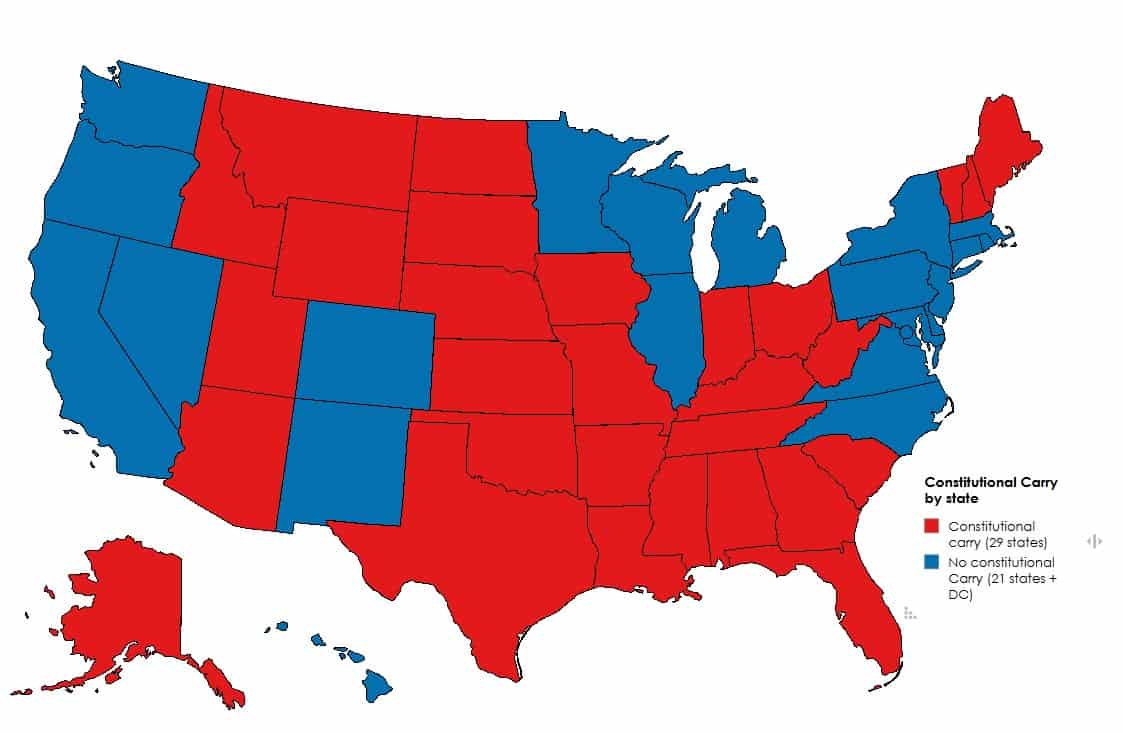
Carrying concealed across state lines gets complicated fast. Your permit might be valid in one state and worthless in the next, which is why understanding state carry reciprocity is non-negotiable for any CCW holder.
We at Cloudster Pillow know that traveling with your firearm requires more than just packing your holster. This guide breaks down reciprocity rules so you can carry with confidence, no matter where you’re headed.
What Your Permit Actually Means Across State Lines
Your concealed carry permit is not a nationwide license. This is the hardest truth for new carriers to accept, but it shapes everything about legal travel with your firearm. When you cross a state border, your permit’s value depends entirely on whether that state recognizes it. Some states honor permits from dozens of other states. Others recognize almost nothing. A few states-like California, New York, and New Jersey-reject most out-of-state permits outright. The Colorado Bureau of Investigation maintains a reciprocity list showing that Colorado permits are recognized in 34 states but rejected in 16 others, including major population centers like California, Illinois, and Massachusetts. This means a Colorado carrier can legally pack in Texas but faces felony charges in Connecticut. The practical takeaway is blunt: your home state permit solves nothing for interstate travel. You need a specific plan for each state you visit.
How Recognition Actually Works in Practice
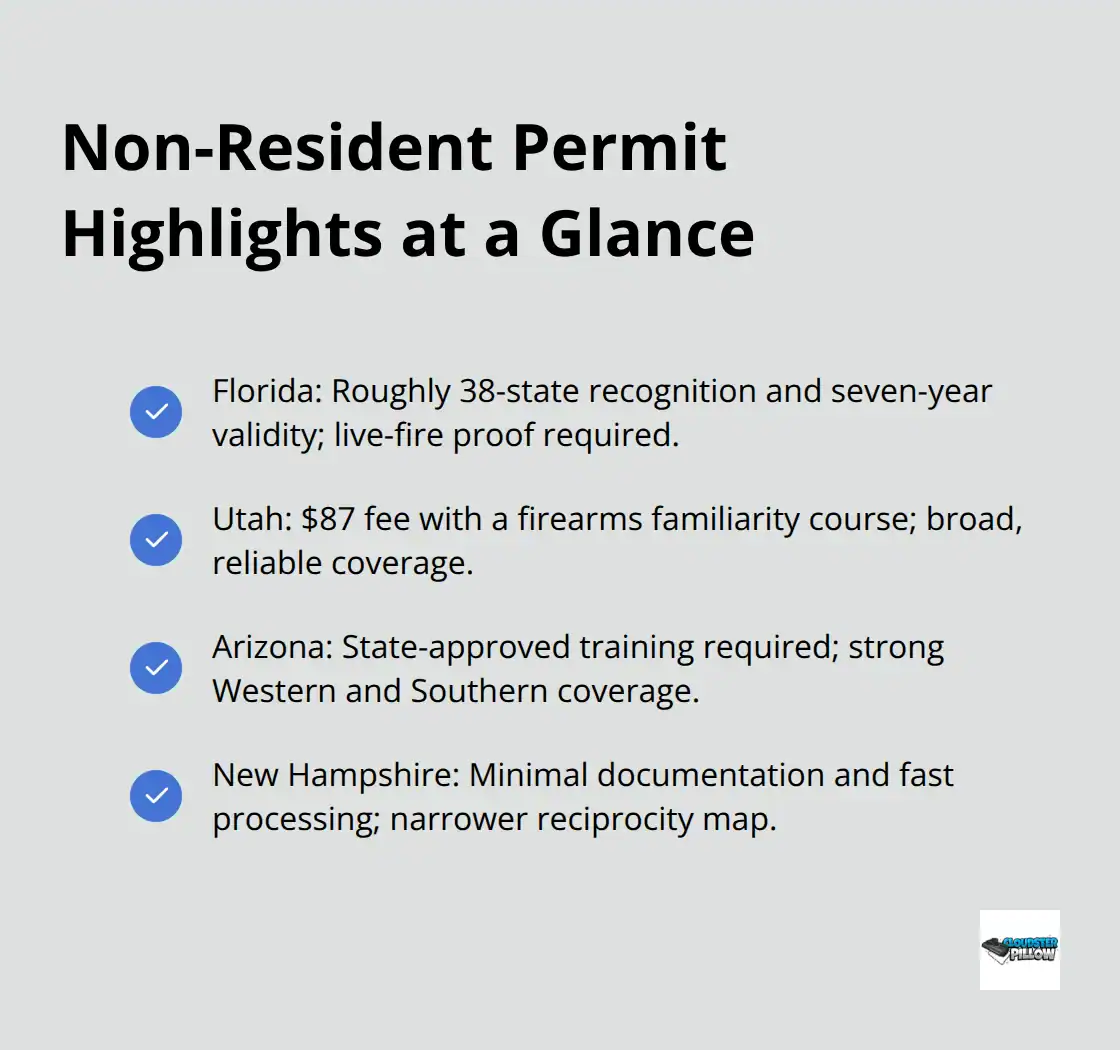
State reciprocity agreements operate through specific statutory language, not handshake deals. Colorado Revised Statutes 18-12-213 sets four hard requirements for out-of-state permits: the issuing state must honor Colorado’s permit, you must be a resident of the issuing state, your ID must match that state, and you must be 21 or older. Miss one requirement and your permit becomes a legal liability. Many carriers assume reciprocity is permanent, but it isn’t. States withdraw recognition frequently as legislatures shift. New Hampshire and Utah non-resident permits offer the broadest coverage because those states maintain active reciprocity agreements, but even these have gaps. Florida non-resident permits provide seven-year validity and recognition in roughly 38 states, making them popular backup permits. However, Florida requires live-fire competency proof-you cannot simply mail in an application. Utah charges about $87 for non-residents and requires a firearms familiarity course. Arizona non-resident permits demand state-approved training. These aren’t minor inconveniences; they’re legal requirements that separate valid carriers from people facing arrest. The strategic reality is that serious travelers use multiple permits. A Colorado carrier might hold a Utah permit for Western travel, a Florida permit for Southern and Northeastern trips, and rely on constitutional carry gaps in states like Vermont and New Hampshire. This layered approach covers far more ground than any single permit.
Constitutional Carry Changed the Reciprocity Game
Twenty-nine states now allow permitless or constitutional carry, fundamentally reshaping how reciprocity works. These states do not require permits for legal handgun possession if you meet federal requirements under 18 USC 922(g)-meaning no felonies, no domestic violence convictions, and no disqualifications. However, permitless carry is not uniform. Arkansas, Idaho, Indiana, Montana, New Hampshire, North Dakota, South Dakota, Vermont, and Wyoming allow permitless carry at age 18. Alabama, Florida, Georgia, Iowa, Kansas, Kentucky, Ohio, Texas, Utah, West Virginia, and others require age 21. Some states limit permitless carry to residents only, blocking non-residents from carrying without a permit. North Dakota changed its law in 2023 to allow non-residents under permitless carry, effective August 1, 2023, which expanded options for visitors. The misconception is that constitutional carry states eliminate reciprocity concerns-they don’t. You still cannot carry in restricted states like New York or California just because Vermont allows permitless carry. Reciprocity only applies to recognized permits, not constitutional carry status. Your actual advantage in constitutional carry states is that you can legally possess a firearm without a permit, but that does not grant you legal carry in states that reject your home permit. This distinction matters enormously when planning travel. A Wyoming resident carrying under constitutional carry has zero legal protection once they enter California, even though both states allow handgun possession for eligible citizens.
What This Means for Your Next Trip
The reciprocity landscape forces you to act before you travel. You cannot assume your permit works anywhere outside your home state. You cannot rely on constitutional carry status to protect you in restrictive jurisdictions. You cannot treat reciprocity as permanent or universal. Instead, you must research each state on your route, verify current recognition status, and carry documentation that proves your permit’s validity. The next section walks you through exactly how to research your specific state’s status and what to do when your permit isn’t recognized.
State-by-State Reciprocity Breakdown
Colorado does not recognize the validity of concealed carry permits issued by any state to nonresidents-a critical distinction that undermines the appeal of broad reciprocity lists. This gap exposes the hard truth about reciprocity: it’s geographically inconsistent and often misunderstood. If your travel happens along the coasts or through major Northeast corridors, reciprocity coverage means almost nothing.
Which Permits Crack the Coastal Problem
Florida non-resident permits achieve recognition in roughly 38 states, including several Northeastern states that reject most other permits. However, Florida’s seven-year validity and live-fire competency requirement create friction-you cannot simply mail in an application and expect approval. Utah non-resident permits at $87 with a firearms familiarity course requirement provide similar broad coverage with lower barriers to entry, making them the strategic choice for carriers who travel unpredictably across multiple regions. Arizona non-resident permits demand state-approved training but deliver reciprocity in enough states to justify the effort if your routes favor Western and Southern travel. New Hampshire permits cost less and process faster, but their reciprocity map is narrower than Florida or Utah.
The practical strategy matches permit combinations to your actual travel patterns. A carrier who drives Dallas to Denver twice yearly needs different permits than someone splitting time between Chicago and Miami. Build your reciprocity coverage around destinations you actually visit, not states you might theoretically pass through.
The Restricted States You Cannot Ignore
California, New York, and New Jersey prosecute firearm transport violations aggressively-this is not theoretical risk. New Jersey has arrested people for merely possessing ammunition during transit, while New York has prosecuted individuals for ammunition magazines alone. California’s assault weapon definitions can reclassify a legal rifle as a felony overnight depending on barrel length, magazine type, or stock configuration. If your travel route crosses any of these states, you cannot rely on permits or constitutional carry status.
The Firearm Owners Protection Act allows limited interstate transport only if your firearm remains unloaded and inaccessible-meaning trunk storage or a locked container if your vehicle lacks a trunk. Glove boxes and center consoles do not qualify. Ammunition storage rules vary by state, but New York and New Jersey require separation from firearms. Pre-planning fuel, food, and lodging stops in compliant locations reduces exposure to traffic stops where officers might ask questions about your cargo. Routes that minimize time in California, Connecticut, Hawaii, Illinois, Massachusetts, Maryland, New Jersey, New York, and Rhode Island are worth planning even if they add drive time. A three-hour detour saves you from potential felony charges.
When traffic stops occur, pull over safely, keep hands visible on the steering wheel, and disclose your permit only if that state’s duty-to-inform law requires it. Knowing whether your destination state mandates disclosure during police contact is essential-failure to follow duty-to-inform rules can transform a lawful stop into an arrest.
How to Verify Current Status Before You Travel
The Colorado Bureau of Investigation maintains the official reciprocity list for Colorado permits and updates it as states change recognition status. This official source beats third-party blogs because reciprocity shifts unexpectedly. Virginia non-resident permits allow mail or online applications without in-person training, making them accessible for quick coverage gaps. Maine non-resident permits valid for four years cost less than Florida’s seven-year option but reach fewer states. New Hampshire permits process fastest because they require minimal documentation and no fingerprints or photos.
The strategic approach checks each state’s official government website before crossing borders, not reciprocity maps that might be weeks old. Verify that the issuing state honors your home state’s permit, confirm you meet age requirements in the destination state, and check for magazine capacity limits or firearm classification restrictions. Magazine limits in California and New York cap rounds at 10, meaning larger magazines become felonies the moment you cross state lines. Magazine compliance failures account for accidental arrests during otherwise routine travel.
Hotel stays in restrictive states jeopardize FOPA protection because continuous travel is the legal requirement-extended stops break that chain. Private property restrictions matter too; restaurants, hotels, and gas stations can legally ban firearms through signage, and ignoring posted restrictions creates trespass charges on top of weapons violations. Building your own state-by-state checklist takes time, but it transforms reciprocity from an abstract concept into actionable travel security. Write down each state’s permit recognition status, magazine limits, duty-to-inform requirements, and vehicle storage rules. This document becomes your legal shield before you leave home.
What happens when you cross state lines with your firearm secured properly and your permits verified? The next section covers the practical steps that separate confident carriers from those who face legal complications at checkpoints.
How to Prepare Your Travel Documents and Verify Permits Before Crossing State Lines
Start your travel prep sixty days before you leave, not the night before. This window allows you to apply for non-resident permits if your home state reciprocity fails to cover your route. Pull up each state’s official government website-not reciprocity blogs or third-party maps-and verify three specific details: whether that state recognizes your home permit, what age minimum applies, and what magazine capacity limits exist. Colorado permits reach 34 states but fail in 16 others, meaning a Colorado carrier crossing into Connecticut faces felony charges. This is not hypothetical. The Colorado Bureau of Investigation updates its reciprocity list as states change recognition, so a permit recognized last year might not be this year. Check the official source before you travel, every time.
Build Your Non-Resident Permit Strategy
If your home state reciprocity leaves gaps, apply for a backup non-resident permit. Florida non-resident permits reach roughly 38 states and cost around $130 with a seven-year validity period, but they require live-fire competency proof at an approved range-you cannot mail in an application and expect approval. Utah non-resident permits cost $87, require a firearms familiarity course, and deliver similar broad coverage for carriers who prefer lower entry costs. Arizona non-resident permits demand state-approved training but work well if your travel stays concentrated in Western and Southern states. New Hampshire permits process fastest because they require minimal documentation and no fingerprints, making them useful for gap coverage when you discover reciprocity holes late in your planning.
Many serious travelers carry two non-resident permits to cover regions their home permit cannot reach. A Texas carrier might hold a Utah permit for Western trips and a Florida permit for Northeast travel, effectively doubling their legal carry footprint. This layered approach costs time and money upfront but eliminates the stress of checking reciprocity for every crossing.
Document Your Route Requirements
Create a physical document that lists each state on your route with its specific requirements. Write down permit recognition status, magazine capacity limits, duty-to-inform requirements, and whether that state honors your home permit. California and New York cap magazines at 10 rounds-crossing state lines with a 15-round magazine converts you from a lawful carrier into a felon instantly. Magazine violations account for accidental arrests during traffic stops in restrictive states, so verify this detail for every state you pass through, not just where you plan to stay.
New Jersey prosecutes ammunition possession during transit, while New York has arrested carriers for magazines alone. If your route crosses these states, use the Firearm Owners Protection Act correctly: your firearm must remain unloaded and inaccessible-meaning trunk storage only or a locked container if your vehicle has no trunk (center consoles and glove boxes do not meet the legal standard). Store ammunition separately from your firearm in these states, and pre-plan fuel and food stops at locations that comply with firearm carry laws. A thirty-minute detour to avoid stopping in restricted jurisdictions protects you from traffic stops where officers might question your cargo.
Handle Law Enforcement Encounters Properly
When you encounter law enforcement during a traffic stop, pull over safely, keep your hands visible on the steering wheel, and disclose your permit only if that state’s duty-to-inform law requires it. Some states mandate disclosure; others prohibit it. Knowing your destination state’s specific requirement prevents you from committing a violation by either disclosing when you should not or failing to disclose when required. This document becomes your legal reference during travel-not something you consult once and forget.
Protect Your Legal Status During Travel
Hotel stays in restrictive states jeopardize your legal protection because continuous travel is the federal requirement under the Firearm Owners Protection Act. Extended stops break that chain, meaning a three-day visit to New York exposes you to that state’s restrictive laws rather than protecting you with federal interstate transport provisions. Private property restrictions matter equally; restaurants, gas stations, and hotels can legally ban firearms through posted signage, and ignoring that signage creates trespass charges layered on top of weapons violations.
Carriers who achieve genuine travel confidence complete this prep work before they load their vehicle. Comfortable, secure carry during travel depends on more than permits and documentation-your holster setup matters equally. A quality IWB or AIWB holster paired with proper support ensures your firearm stays secure and concealed throughout long drives and border crossings. Cloudster Pillow enhances comfort and concealment for everyday carry across state lines, letting you focus on compliance rather than physical discomfort. Learn more at https://cloudsterpillow.com/holster-wedge/
Final Thoughts
Reciprocity rules shape every decision you make about interstate travel, and your state carry reciprocity map becomes the legal foundation you build before leaving home. Colorado recognizes 34 states but rejects 16 others, while New York and California reject most out-of-state permits outright. Constitutional carry in your home state offers zero protection in restrictive jurisdictions, so you must verify requirements for each state on your route rather than assume your permit travels with you.
Your actual rights depend on three factors: whether your destination recognizes your permit, whether you comply with that state’s specific restrictions like magazine capacity limits, and whether you transport your firearm legally under federal law. New Jersey prosecutes ammunition possession during transit, and New York has arrested carriers for magazines alone-these are not edge cases but real consequences that happen to carriers who failed to verify requirements before crossing state lines. Checking official government sources instead of reciprocity blogs that lag behind legislative changes keeps you current as states shift recognition agreements.
Training and preparedness matter more than permits alone, and comfortable carry supports the consistent practice that builds genuine confidence. A quality holster setup keeps your firearm secure and concealed throughout long drives, letting you focus on compliance rather than physical discomfort. Cloudster Pillow enhances all-day concealment for AIWB and IWB holsters, helping everyday carriers achieve the comfort that makes interstate travel manageable.
Featured image: “Constitutional Carry July 4 2024 By state” by ANS201 via Wikimedia Commons, used under CC BY-SA 4.0. The map shows constitutional-carry status by state and is adjacent to, but not the same as, full reciprocity status — see the official state sources linked above for current reciprocity rules.
Built for all-day concealed carry comfort.
The Cloudster Pillow uses adjustable shredded cooling-gel memory foam in a soft fabric cover, so you can dial in the exact thickness for your body and your holster.
