
Best Concealed Carry Gear & Essentials for Women, Concealed Carry Clothing
Comfortable Handgun Carry Clothing: Smart Fabrics And Fits For Everyday Carry
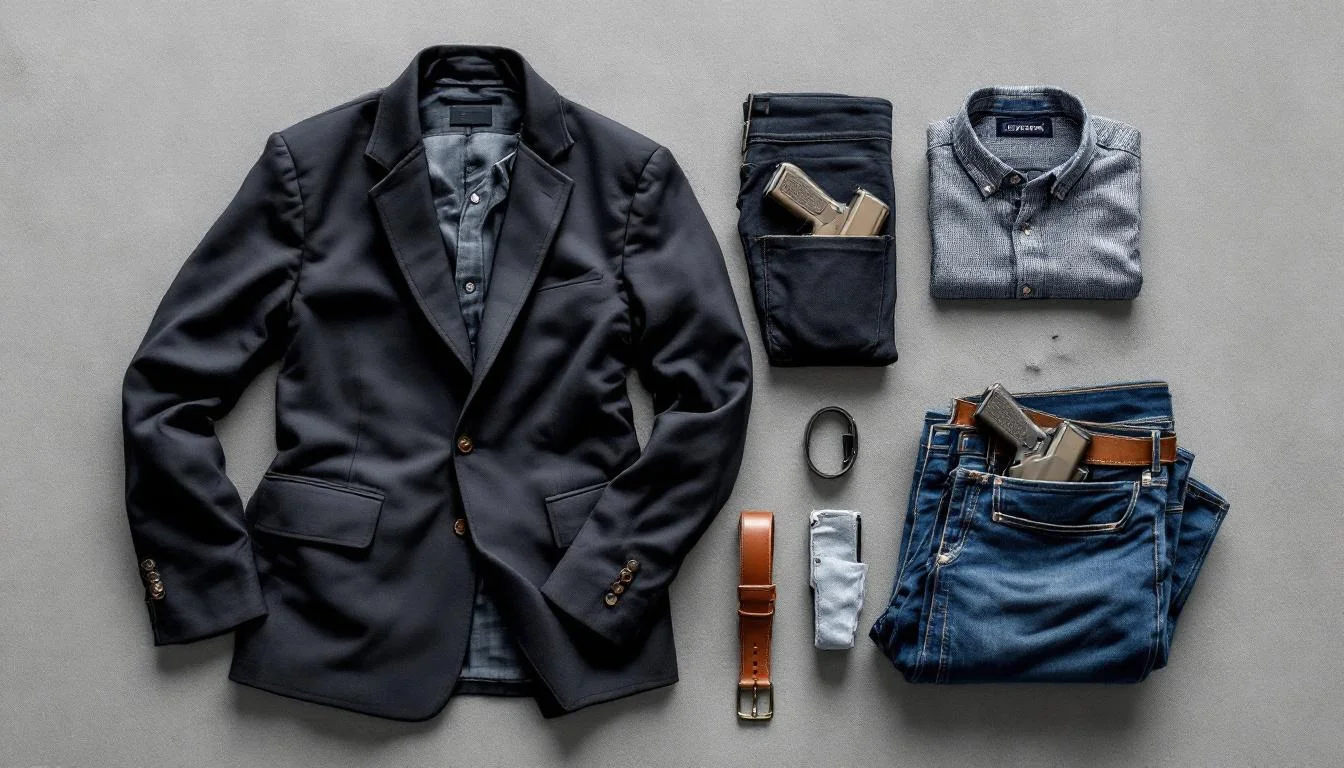
Concealed carry clothing isn’t just about hiding your firearm-it’s about staying comfortable enough to carry every single day. The right fabrics and fit make the difference between abandoning your gun at home and keeping it on you consistently.
At Cloudster Pillow, we know that most carriers struggle with chafing, printing, and heat buildup. This guide shows you exactly how to choose clothing that works with your body and your holster setup.
Fabric Technology That Actually Works for Carry
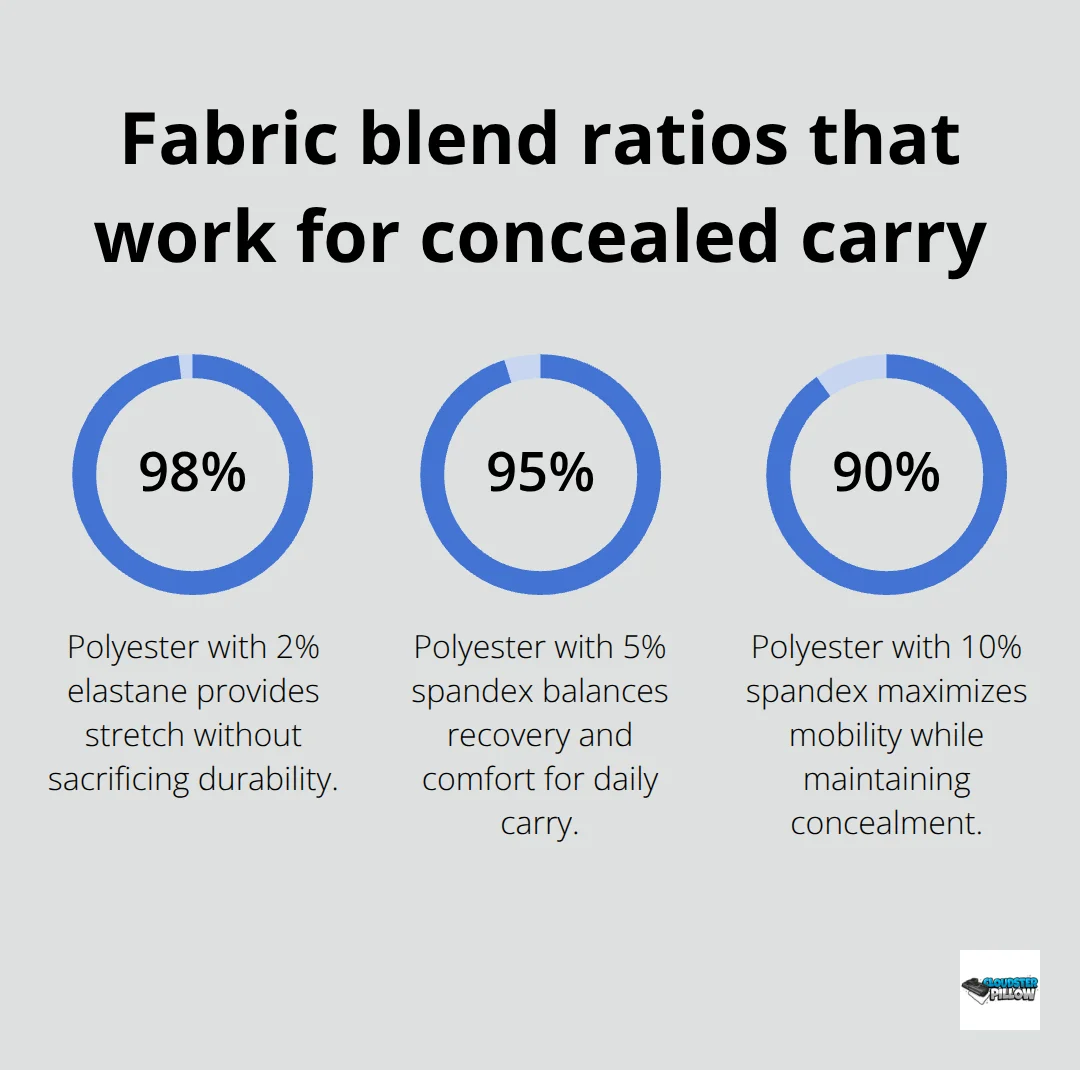
Moisture-wicking fabrics are non-negotiable for all-day carry. Polyester-spandex blends, commonly found in tactical shirts from brands like 5.11 and Vertx, pull sweat away from your skin and dry faster than cotton. A 98% polyester and 2% elastane blend offers the stretch you need without sacrificing durability. Cotton absorbs moisture and holds it against your body, creating discomfort and potentially causing your holster to shift. Test this yourself: wear a 100% cotton shirt for a full carry day, then switch to a moisture-wicking blend the next day. The difference in comfort and how your holster sits becomes immediately obvious.
Stretch fabrics reduce printing and chafing equally well. When fabric moves with your body instead of against it, your firearm stays hidden during normal movements like reaching, bending, or sitting. Tru-Spec’s 24-7 line and similar tactical brands incorporate stretch fabrics specifically to minimize bulk while maintaining concealment. Chafing happens when rigid fabric rubs against skin for extended periods, forcing many carriers to abandon their guns by evening. Flat-lock seams reduce friction and chafing on quality concealed carry shirts.
Breathable weaves prevent heat buildup that makes you want to remove your holster or jacket. Ripstop nylon and open-weave tactical fabrics allow air circulation around your torso, keeping core temperature stable. This matters because overheating triggers two problems: first, you’ll adjust your clothing constantly, risking printing; second, you’ll feel less confident carrying, which leads to inconsistent carry habits. Look for shirts with breathable construction in the torso area while maintaining enough fabric density in the holster zone to prevent printing. Your carry clothing should feel like wearing everyday clothes, not tactical gear designed to look armed.
What to Actually Look For When Shopping
Examine the fabric composition label before you buy. Polyester-spandex blends (90/10 or 95/5 ratios) outperform pure cotton for all-day carry. Check seam construction by running your finger along stress points like shoulder seams and pocket edges-flat-lock or bar-tacked seams stay intact under the strain of a loaded holster. Test stretch by pulling the fabric perpendicular to the weave; quality carry clothes should recover immediately when released, not stay stretched out.
Fit matters as much as fabric. Garments should hug your body enough to prevent printing but allow full range of motion without restriction. Baggy clothing prints because the holster can move freely inside loose fabric; overly tight clothing restricts breathing and movement. The sweet spot is a tailored fit that follows your body contours.
Seasonal Fabric Adjustments
Warm-weather carry demands lighter-weight moisture-wicking fabrics that dry faster than standard tactical shirts. Untucked styles with breathable weaves keep you cool while maintaining concealment. Cold-weather carry requires layering, but here’s the tactical mistake most carriers make: they add bulk without considering how it affects their draw and holster retention.
A moisture-wicking base layer under a fitted outer shirt works better than a single thick shirt because you maintain form-fitting concealment while trapping warmth. Test your complete carry setup-base layer, outer shirt, jacket, and holster-before you rely on it daily. Movement, draw speed, and comfort should all feel natural, not compromised. Once you nail your fabric choices and fit, the next step involves selecting the right waistband size and cut to support your specific carry method.
Finding the Right Fit for Your Carry Method
Sizing Your Waistband for IWB Holster Support
Your waistband size directly impacts how well your holster stays positioned during the day. Most carriers make the mistake of keeping their normal waistband size, which causes the holster to shift as you move, sit, and bend. Inside-the-waistband holsters need at least one full size larger than your usual pants to accommodate the holster’s thickness without crushing your abdomen. If you typically wear a 32-inch waist, move to a 34-inch for IWB carry. This extra room prevents the constant micro-adjustments that telegraph your carry position to anyone watching.
Higher waistband designs actively support IWB holsters by keeping them anchored during movement, so prioritize tactical pants and jeans with waistbands that sit at or slightly above your hip bone rather than low-rise styles that slide down. Reinforced belt loops matter more than most carriers realize-cheap belt loops tear under the weight of a loaded holster, causing your entire setup to shift. Look for pants with extra belt loops or bar-tacked reinforcement at stress points.
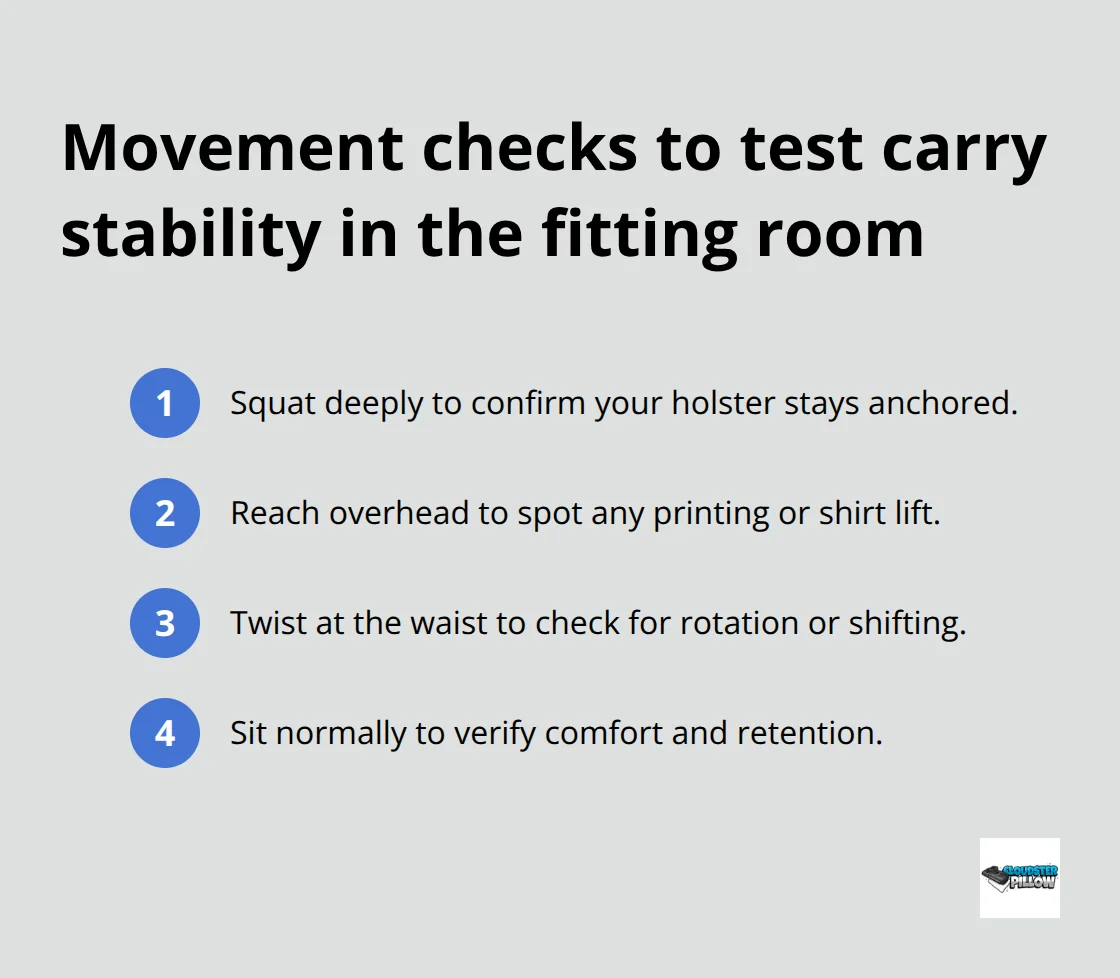
When you try on carry pants, wear your normal belt and holster combination, then perform a full range of movements: squat, reach overhead, twist, and sit. Your holster should stay exactly where you positioned it without sliding forward or rotating.
Choosing Shirt Length That Maintains Concealment
Shirts that end at your hip bone create printing problems because the fabric doesn’t have enough length to cover your holster when you reach, bend, or sit. Standard shirt lengths often fall too short for reliable carry coverage. Choose shirts that extend at least to your mid-thigh when untucked, which gives you flexibility to adjust layering without exposing your setup. Tactical shirts from brands like 5.11 specifically cut longer for this reason.
Test your complete layered setup in your actual carry environment before relying on it. If you wear an open button-up shirt over a fitted concealed carry shirt, ensure the outer layer is loose enough not to compress your holster but structured enough to break up the firearm’s outline.
Strategic Layering for Comfort and Concealment
For layering, avoid the common mistake of adding a heavy outer jacket that restricts your movement and draw speed. Instead, use fitted base layers under a properly sized outer shirt-this maintains your concealment profile while adding warmth. Vests and jackets designed for concealed carry maximize durability, comfort and accessibility in any environment. Quality vests include side zippers or breakaway panels that enable rapid holster access while maintaining a professional appearance in office or formal settings. The fit of your outer layer matters more than the style-oversized jackets print worse than properly fitted ones because the excess fabric bunches around your holster.
Testing Your Complete Setup
Your holster, pants, shirt, and any outer layers must work together seamlessly. Move through your typical day while wearing your complete carry setup: reach for items on high shelves, sit at a desk, bend down, and walk normally. Your holster should stay exactly where you positioned it. Any shifting, printing, or discomfort signals that you need to adjust your sizing or layering strategy. This real-world testing reveals problems that static fitting room checks miss.
Once you’ve dialed in your waistband size, shirt length, and layering approach, you’re ready to focus on the practical selection process that turns theory into a functional everyday carry wardrobe. Remember that comfort during carry matters just as much as concealment-consider adding a holster wedge like the Cloudster Pillow at https://cloudsterpillow.com/holster-wedge/ to enhance both comfort and concealment throughout your day.
Building a Carry Wardrobe That Actually Works
Test One Complete Outfit for Five Days
Start with a single complete outfit and wear it for at least five consecutive days before purchasing more pieces. This real-world test reveals what actually works versus what seems good in a fitting room. During these five days, perform your normal activities: sit at a desk for hours, bend and reach, walk in different environments, and practice drawing from your holster at least once per day in a safe setting. Most carriers discover that their initial choices either print badly, cause chafing, or shift during movement. This data drives smarter purchases moving forward.
Measure your body, not your usual size
Many tactical retailers like 5.11 and Vertx publish sizing charts, but your actual body measurements matter more than their recommendations. Measure your existing pants at the waistband, inseam, and thigh while lying flat, then compare those numbers directly to the retailer’s measurement guide rather than ordering based on the size you normally wear. You’ll often find that your regular size produces printing problems or restricts movement when loaded with a holster.
Seasonal combinations for concealed carry clothing
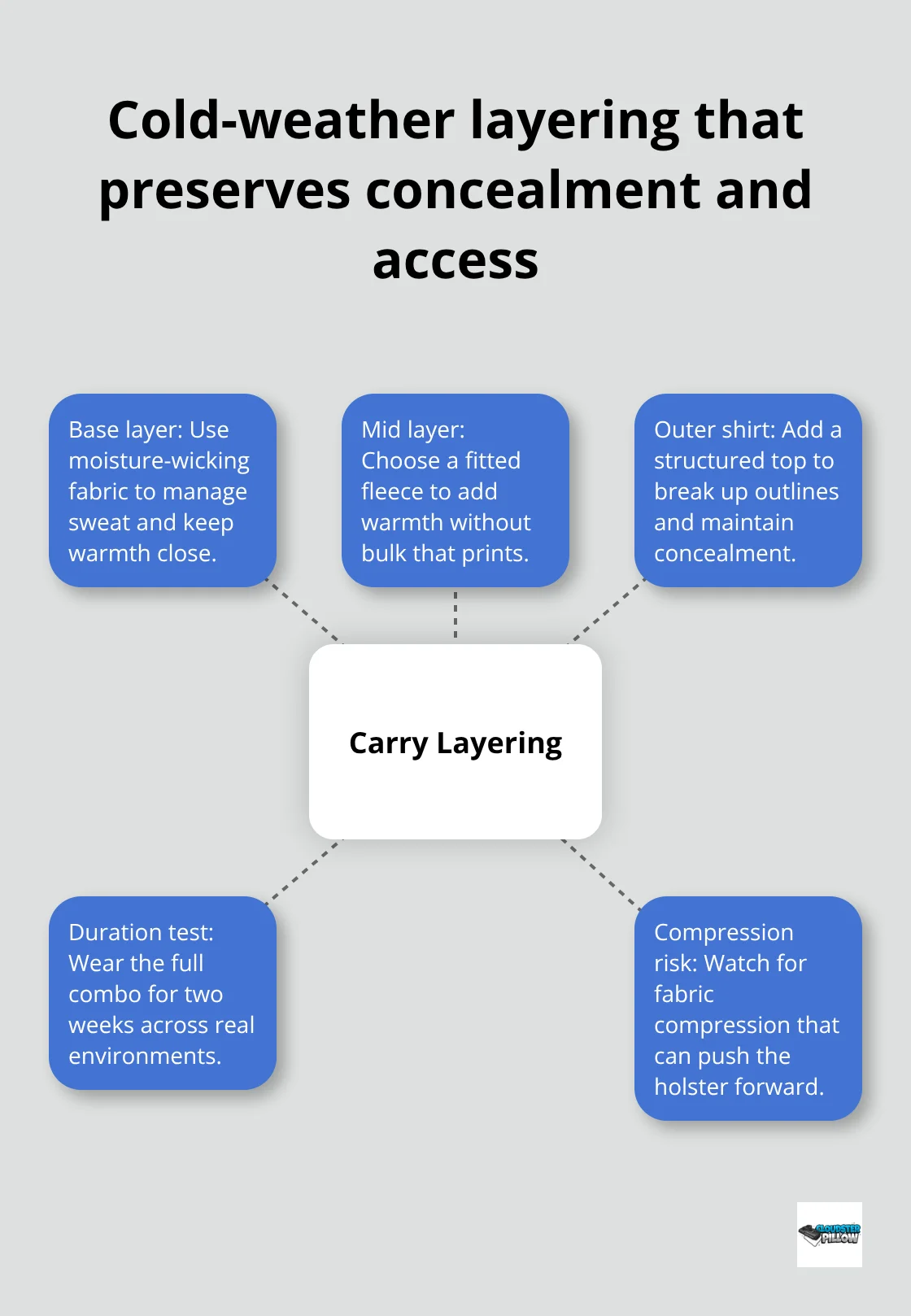
Cold-weather carry requires three tested base-layer and outer-layer combinations, not one heavy jacket that works occasionally. For example, pair a moisture-wicking base layer with a fitted fleece, then add a structured outer shirt on top. Test this exact combination for two weeks before relying on it, because layering that works in your home office often fails when you move between heated buildings and cold outdoor air. The fabric compression from multiple layers can shift your holster forward, creating printing or retention issues.
Warm-weather carry demands lightweight tactical shirts in breathable blends, but most carriers switch to untucked styles without testing whether their chosen shirt length actually covers their holster during normal reaching and bending. Try investing in four to five high-quality basics that work across seasons and multiple holster types rather than purchasing ten pieces that only work with one setup. A quality tactical shirt in neutral colors like black, gray, or tan works with different pants, jackets, and holster positions.
Prioritize Quality Construction
Quality matters because reinforced stitching at belt loops and pocket stress points keeps your carry setup stable. Cheap shirts develop holes at the seams within months, forcing you to abandon pieces that otherwise fit well. We at Cloudster Pillow recommend testing your clothing with a holster wedge designed to enhance comfort and reduce printing, which helps identify whether fit issues stem from your garment choices or your holster positioning.
Complete Setup Testing
Your holster, pants, shirt, and any outer layers must work together seamlessly. Move through your typical day while wearing your complete carry setup: reach for items on high shelves, sit at a desk, bend down, and walk normally. Your holster should stay exactly where you positioned it. Any shifting, printing, or discomfort signals that you need to adjust your sizing or layering strategy. This real-world testing reveals problems that static fitting room checks miss. A well-fitted wardrobe foundation takes time to build, but once established, it transforms carry from an uncomfortable burden into a sustainable daily habit.
Final Thoughts
Smart fabrics and proper fit transform how you carry every single day. The moisture-wicking blends, stretch materials, and breathable weaves you’ve learned about aren’t luxury features-they’re the foundation of sustainable concealed carry. When your clothing works with your body instead of against it, you stop fighting discomfort and start building real carry habits that stick.
Comfort drives consistency, and consistency keeps you prepared. Carriers who abandon their guns at home respond to chafing, printing, or heat buildup that makes carrying feel like punishment rather than protection. The right concealed carry clothing eliminates these friction points, so you’ll wear your holster on days you’d normally leave it behind because your setup feels natural, not burdensome. This consistency matters more than any single piece of gear because a gun at home protects nobody.
Your clothing choices directly impact your carry success, and a holster wedge like the Cloudster Pillow amplifies that impact even further. We at Cloudster Pillow understand that comfort and concealment work together-quality accessories enhance both without replacing your entire system. Start with one complete outfit tested over five days, then expand strategically with pieces that work across seasons and multiple holster positions.

Pingback: Everyday Concealed Carry Mindset: Staying Calm, Focused, And Prepared - Cloudster Pillow