
Licensing and Cost-Saving Tips
Constitutional Carry States 2026: All 29 Permitless Carry States
Quick answer: As of October 2026, 29 states have constitutional (permitless) carry: Alabama, Alaska, Arizona, Arkansas, Florida, Georgia, Idaho, Indiana, Iowa, Kansas, Kentucky, Louisiana, Maine, Mississippi, Missouri, Montana, Nebraska, New Hampshire, North Dakota, Ohio, Oklahoma, South Carolina, South Dakota, Tennessee, Texas, Utah, Vermont, West Virginia and Wyoming. No new state has been added since 2024. North Carolina is the one to watch: its legislature passed permitless carry in 2025, the governor vetoed it, and the House override vote was still pending when lawmakers adjourned until after the November 2026 election.
Constitutional Carry States 2026: The Full List
| State | Permitless carry since | Notes |
|---|---|---|
| Vermont | Always | Has never required a permit |
| Alaska | Sept 9, 2003 | First state to drop its permit requirement |
| Arizona | July 29, 2010 | A permit is still required to carry into places serving alcohol for on-site consumption |
| Wyoming | July 1, 2011 | Residents only until 2021; minimum age lowered to 18 on July 1, 2026 |
| Arkansas | 2013 law, confirmed 2018 | Disputed until a 2018 court ruling confirmed it |
| Kansas | July 1, 2015 | |
| Mississippi | July 1, 2015 | |
| Maine | Oct 12, 2015 | |
| West Virginia | May 26, 2016 | |
| Idaho | July 1, 2016 | Expanded in 2019 and 2020 |
| Missouri | Jan 1, 2017 | |
| New Hampshire | Feb 22, 2017 | |
| North Dakota | Aug 1, 2017 | Concealed carry only; residents only until Aug 1, 2023, now open to non-residents too |
| Kentucky | June 27, 2019 | |
| South Dakota | July 1, 2019 | |
| Oklahoma | Nov 1, 2019 | |
| Montana | Feb 18, 2021 | Statewide (limited permitless carry since 1991) |
| Utah | May 5, 2021 | |
| Iowa | July 1, 2021 | |
| Tennessee | July 1, 2021 | Handguns only; a permit is still needed in some places, such as certain parks |
| Texas | Sept 1, 2021 | |
| Georgia | April 12, 2022 | |
| Ohio | June 13, 2022 | |
| Indiana | July 1, 2022 | |
| Alabama | Jan 1, 2023 | |
| Florida | July 1, 2023 | |
| Nebraska | Sept 2, 2023 | |
| South Carolina | March 7, 2024 | |
| Louisiana | July 4, 2024 |
Effective dates from handgunlaw.us’s permitless-carry list (updated September 5, 2026), which cites each state’s statute; North Carolina status from state legislative coverage through August 2026. Laws change, so check your state’s current statute before you carry.
What Is Constitutional Carry?
“Constitutional carry” and “permitless carry” mean the same thing: an adult who can legally own a firearm may carry a handgun in public without first getting a state permit. The name reflects the view that the Second Amendment is the permission. It doesn’t mean “no rules.” Eligibility rules still apply, and minimum ages run from 18 to 21 depending on the state, with some states allowing 18-to-20-year-olds only if they’re military or veterans. Check your own state’s age and any carry restrictions.
Which States Still Require a Permit?
The other 21 states plus Washington, D.C. require a carry license: California, Colorado, Connecticut, Delaware, Hawaii, Illinois, Maryland, Massachusetts, Michigan, Minnesota, Nevada, New Jersey, New Mexico, New York, North Carolina, Oregon, Pennsylvania, Rhode Island, Virginia, Washington and Wisconsin.
Since the Supreme Court’s 2022 NYSRPA v. Bruen decision, states can’t make applicants prove a special need to carry, so every permit state now has to issue licenses to applicants who meet its objective requirements. Some, including California, New York, New Jersey, Maryland, Massachusetts and Hawaii, still have demanding training and application requirements and long lists of places where carry is banned. For carrying across state lines, see our concealed carry reciprocity guide.
What Constitutional Carry Doesn’t Cover
- Federal prohibitions. Anyone barred from having firearms under federal law (for example, a felony conviction or a misdemeanor domestic-violence conviction) can’t carry, permit or not.
- School zones. The federal Gun-Free School Zones Act generally bans carrying a firearm within 1,000 feet of a K–12 school. One exception is a license issued by the state the school is in, where the state checked your qualifications before issuing it (18 U.S.C. 922(q)). Carrying without a permit doesn’t qualify for that exception.
- Off-limits places. Courthouses, many government buildings, polling places, and private property where the owner bans guns are still off-limits in most states, and some states add more.
- Other states. Permitless carry applies inside the state that passed it. When you travel, the rules of the state you’re in apply.
Why Get a Permit in a Permitless Carry State?
- Travel. Your home-state permit may be honored in other states that require one.
- School zones. A qualifying in-state license is what the federal school-zone exception covers.
- Buying guns. In some states, ATF accepts a qualifying carry permit in place of the NICS background check at the gun store. Which permits qualify depends on the state.
- Training. Permit courses cover use-of-force law and the places you can’t carry. See carry law basics and carry permit requirements.
What’s Pending in 2026?
North Carolina is closest. The legislature passed Senate Bill 50 in 2025; Governor Josh Stein vetoed it, and the Senate overrode the veto. The House override vote was scheduled and postponed several times, and as of August 2026 it hadn’t been held, with lawmakers out of session until after the November election. If the House overrides, North Carolina would become the 30th state. Bills have also been filed in other permit states, but none had become law as of this update.
Quick Answers
How many states have constitutional carry in 2026?
29, unchanged since Louisiana and South Carolina joined in 2024.
Is North Carolina a constitutional carry state?
Not yet. Its permitless carry bill was vetoed; the Senate overrode the veto, but the House hadn’t voted as of August 2026.
What’s the difference between constitutional carry and permitless carry?
None. They’re two names for the same thing.
Can I carry in other states if my state has constitutional carry?
Only where that state’s law allows it. Many other permitless states let any adult who can legally own a gun carry, but permit-required states don’t, unless you hold a permit they honor.
Does constitutional carry let me carry near schools?
Generally no. The federal school-zone law’s exception covers people licensed by the state the school is in.
Written by the Cloudster Pillow team. This is general information, not legal advice. Check your state’s current statute or a local firearms attorney before you carry.
New to Carrying? Start With the Right Setup
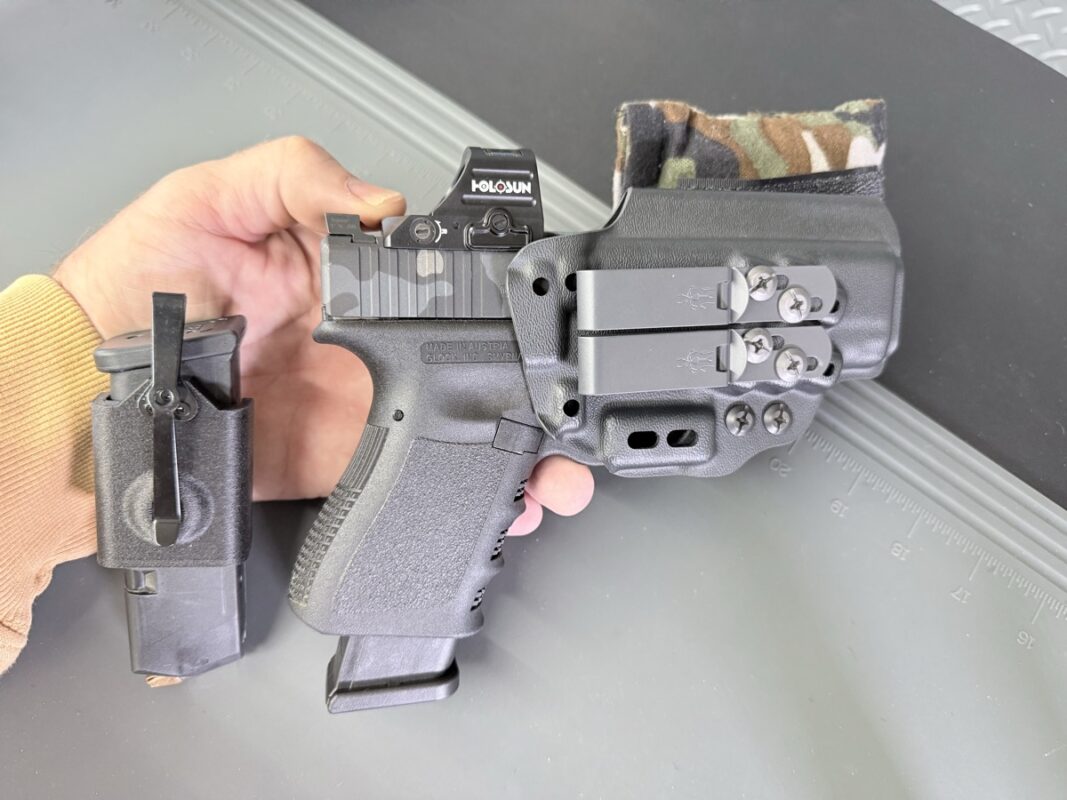
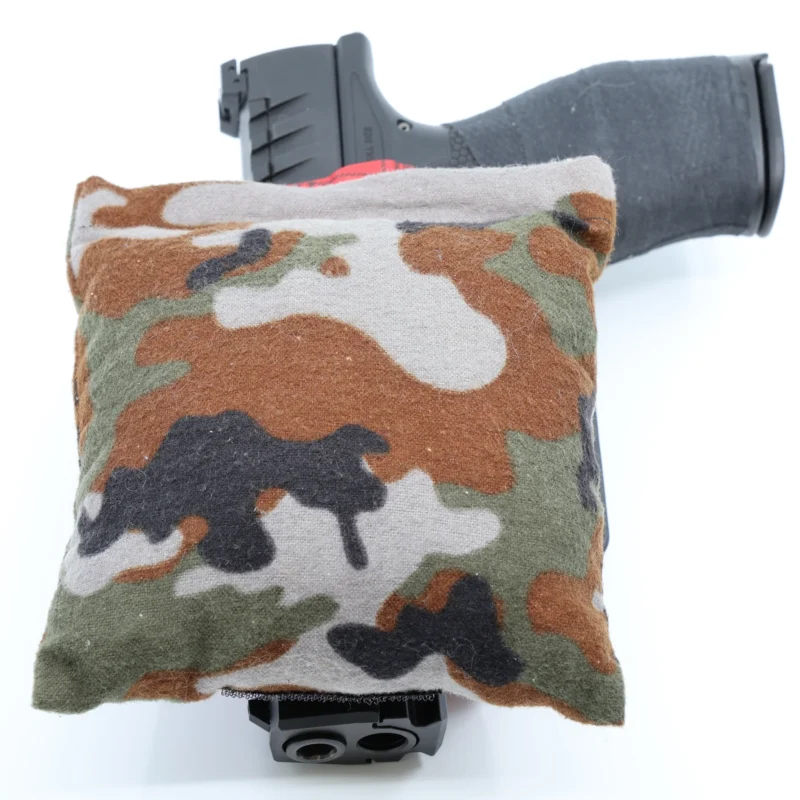
Carrying every day takes a holster you can actually wear all day. A stiff Kore gun belt holds the holster in place, the Cloudster Pillow holster wedge tucks the grip in and cushions the edge that digs in, and a Magnetic Pocket Mag Carrier keeps a spare magazine handy.

Pingback: State Carry Reciprocity Map: CCW Laws by State
Pingback: Essential Requirements for Your Carry Permit 2026
Pingback: Understanding Conceal Carry Laws 2026 for Gun Owners
Pingback: Concealed Carry Reciprocity 2026: How to Check by State