
Uncategorized
Daily carry pistol selection: A Practical Guide To Everyday Carry
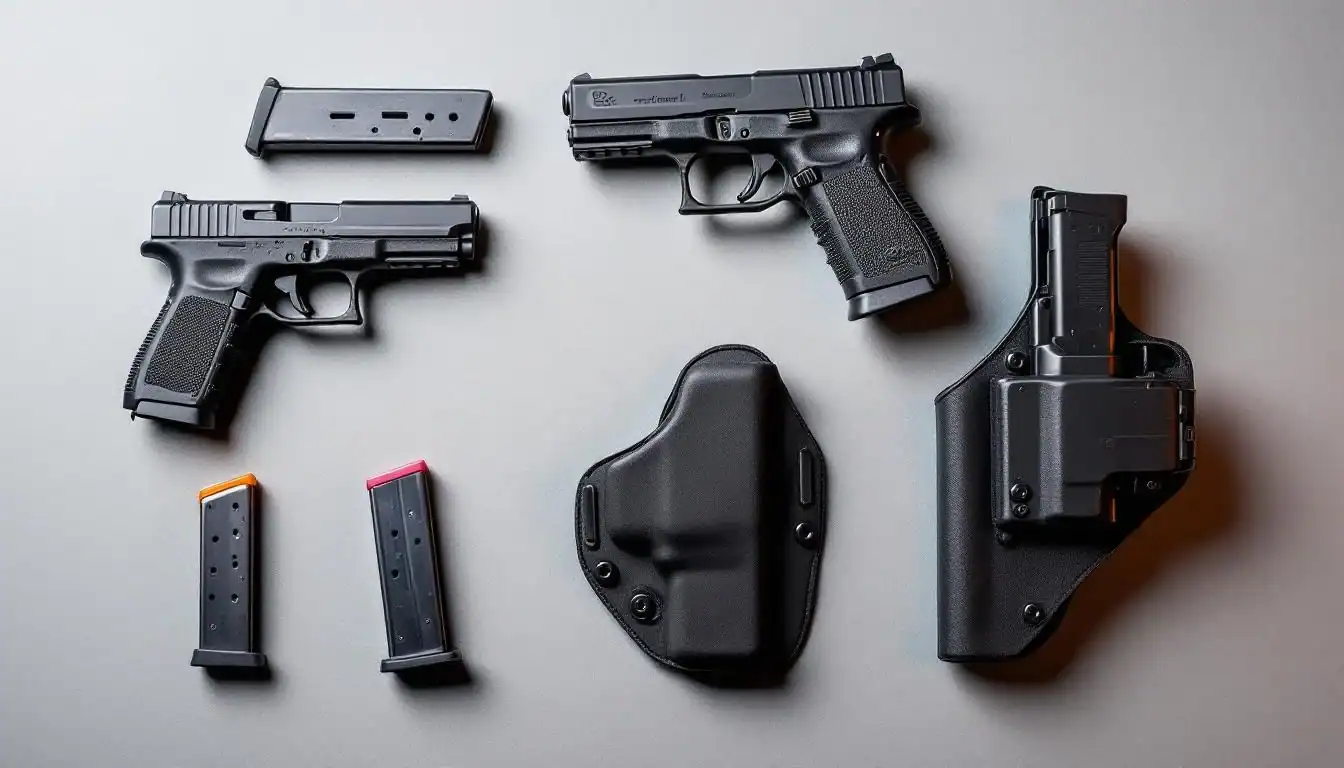
Picking the right daily carry pistol is one of the most important decisions you’ll make as a CCW carrier. Your choice affects everything from how comfortably you carry to how confidently you can respond in a critical moment.
At Cloudster Pillow, we know that daily carry pistol selection isn’t one-size-fits-all. This guide walks you through the practical factors that matter most, from reliability and ergonomics to finding a gun that actually works with your lifestyle.
What Lifestyle Factors Should Guide Your Pistol Choice
Your daily routine determines which pistol actually works for you, not which one looks best on a forum. If you wear business casual five days a week with tucked shirts, a full-size 1911 creates printing problems that no amount of gear fixes. If you’re in athletic wear or gym clothes, a micro-compact like the Sig Sauer P365 at 17.8 ounces disappears where a Glock 19 at 21.16 ounces becomes visible. The gap between theory and practice matters here. A concealed carrier who works construction and changes clothes multiple times daily needs flexibility that a single-position, single-gun approach doesn’t always provide, but training with multiple pistols undermines automatic responses when stress hits. That’s why picking one platform and sticking with it beats chasing the perfect gun for every scenario.
How Your Body Type and Carry Position Shape Your Decision
Appendix carry works brilliantly for lean frames but requires weekly training from concealment to stay safe around the trigger. A 2026 industry trend toward AIWB setups reflects real data: appendix carry hides larger firearms more effectively than strong-side IWB, but only if you’ve trained enough to deserve it. Heavier carriers often find strong-side IWB at 3 or 4 o’clock more practical because body geometry changes what disappears and what prints. The Sig Sauer P365 dominates the micro-compact category because its 3.1-inch barrel and 1-inch width fit appendix carry without forcing you to rebuild your entire setup. Meanwhile, the Glock 19 with its 4.02-inch barrel remains the concealed carry standard because it works across body types and carry positions without forcing you to rebuild your entire rig. Test-fire both at a rental range before deciding. Your hand size, hip structure, and daily clothing matter more than online reviews.
Training Level Determines Your Realistic Options
Beginners should avoid micro-compacts with snappy recoil and short sight radii until they’ve trained regularly for at least six months. The USCCA reports over one million students trained nationwide, and that foundation matters. New carriers often underestimate how much training changes what gun actually works. A .380 ACP feels controllable at first, but modern bullet design has narrowed the performance gap between 9mm and smaller calibers, making 9mm the smarter choice for most people since you’ll shoot it more accurately under stress. The 10-10-10 drill separates carriers who train from those who don’t. If you can’t pass that cold, your pistol choice is secondary to your practice routine. Experienced carriers with regular dry-fire and live-fire practice can manage the Wilson Combat EDC X9 at 29 ounces or even the Glock 20 in 10mm, but new carriers should start with something like the P365 or Hellcat that rewards good fundamentals without punishing mistakes. Your training level today predicts whether you’ll actually carry consistently, and an uncomfortable gun you leave at home beats a theoretically perfect gun locked in a drawer.
Matching Pistol Characteristics to Your Lifestyle
Size and weight directly impact whether you’ll carry every single day. A pistol that feels great at the range but prints under your favorite shirt gets left behind, and an uncarried gun protects no one. The Sig Sauer P365 at 17.8 ounces and the Springfield Hellcat at 18 ounces appeal to carriers who prioritize comfort over capacity. The Glock 19 at 21.16 ounces sits in the middle ground-heavy enough to feel substantial, light enough to carry all day without fatigue. Heavier options like the Wilson Combat EDC X9 at 29 ounces demand a quality gun belt and proper holster setup to stay comfortable.

Your clothing choices, body type, and daily activities determine what weight you can sustain without printing or discomfort. Test different models at a rental range and carry them in your actual holster setup before committing to a purchase.
Gear and Setup Complete the Picture
Your pistol choice only works if your holster, belt, and concealment system support it. A quality Kydex holster with proven retention keeps your gun secure and accessible, while a rigid gun belt distributes weight evenly and prevents sagging that creates printing. Many carriers find that upgrading their holster and belt setup makes a bigger difference in daily comfort than switching pistols. The right gear combination-holster, belt, and concealment aids-transforms how your chosen pistol feels during an entire day of carry. With the right setup, even heavier pistols become manageable for all-day carry. Adding a holster wedge like the Cloudster Pillow fills gaps between your body and gun, eliminating discomfort and improving concealment without changing your entire rig.
Now that you understand how lifestyle, body type, training level, and gear shape your pistol choice, the next step involves looking at specific models that have proven themselves in real-world carry situations.
What Makes a Pistol Actually Reliable for Daily Carry
Reliability means your gun functions every single time you need it, not just at the range under ideal conditions. The Sig Sauer P365 has become the industry standard for micro-compacts because it delivers consistent performance across thousands of daily carriers without the failures that plagued earlier single-stack designs. The Glock 19 remains the baseline reliability benchmark because law enforcement agencies from the FBI to local departments trust it in life-or-death situations, and that institutional track record matters more than any marketing claim. When you evaluate a pistol, check whether major police departments or military units have adopted it-not because you need military-grade specs for civilian carry, but because those organizations test rigorously and reject guns that fail. The Springfield Hellcat delivers 11+1 capacity in a size that hides easily, and it has proven reliable across thousands of concealed carriers since its 2019 release. Avoid pistols with fewer than five years of real-world carry data or guns from manufacturers without a track record in duty or defensive use. Test-fire at least 200 rounds through any pistol before carrying it daily, using the same defensive ammunition you’ll actually carry. Function failures at the range predict failures under stress when it matters.

Size and Weight Shape Your Actual Carry Consistency
The lightest pistol you’ll consistently carry beats the theoretically perfect gun you leave at home. Carriers who prioritize comfort gravitate toward the P365 or Hellcat because all-day fatigue disappears, and that comfort directly correlates with carrying every single day without exception. The Glock 19 sits heavier but still remains manageable for eight to twelve hours if your belt and holster distribute weight properly. Anything over 25 ounces demands a quality rigid belt and premium holster setup to prevent sagging, printing, and the back pain that forces carriers to leave guns at home on tough days. Your actual body weight and daily activity level determine what you can sustain without discomfort. A 130-pound person carrying a 29-ounce Wilson Combat EDC X9 all day experiences fatigue that a 200-pound person barely notices. Measure your realistic carry window-if you work eight hours and carry in AIWB setup, test that exact scenario with rental pistols before committing to a purchase. Weight compounds over hours, so what feels manageable for thirty minutes at a gun store becomes exhausting by evening.
Ergonomics Determine Speed and Accuracy Under Pressure
Grip angle, trigger reach, and backstrap fit directly impact whether you shoot accurately when adrenaline spikes. The P365’s modular grip design with multiple backstrap options lets you customize the gun to your hand, while the Glock 19’s standard grip angle works for most people but feels awkward for some. Trigger reach matters especially for shooters with smaller hands; a trigger that forces you to shift your grip to reach the trigger introduces accuracy errors that cost rounds downrange. Test-fire multiple models and pay attention to which one lets you maintain a high, tight grip without adjustment. The ergonomic setup that feels natural at the range under controlled conditions translates to faster, more accurate performance during stress. A pistol with poor ergonomics for your hand size creates subconscious compensations that undermine training. Spend time at rental ranges testing at least three different platforms before deciding, and fire at least fifty rounds from each to understand how recoil management works with your grip.
How Comfort Gear Completes Your Pistol Setup
Your holster, belt, and concealment system determine whether your chosen pistol actually stays comfortable throughout the day. A quality Kydex holster with proven retention keeps your gun secure and accessible, while a rigid gun belt distributes weight evenly and prevents sagging that creates printing. Many carriers find that upgrading their holster and belt setup makes a bigger difference in daily comfort than switching pistols. The right gear combination transforms how your chosen pistol feels during an entire day of carry. With proper support, even heavier pistols become manageable for all-day carry. Adding comfort solutions like the Cloudster Pillow holster wedge fills gaps between your body and gun, eliminating discomfort and improving concealment without replacing your entire rig.
Now that you understand reliability, weight, ergonomics, and how gear completes your setup, the next step involves looking at specific models that have proven themselves in real-world carry situations and which one matches your actual lifestyle.
Which Pistols Actually Work for Daily Carry
The Sig Sauer P365 dominates everyday carry for one reason: it hides a 10+1 capacity gun in a package so small that appendix carry becomes viable for most body types. The P365 is an everyday carry compact 9mm pistol with an extremely durable Nitron coated stainless steel slide and manual safety option. Carriers report that the modular grip design works across hand sizes, and the gun’s track record across hundreds of thousands of daily carriers shows consistent reliability without the early single-stack failures that plagued previous designs. The Springfield Hellcat pushes capacity further with 11+1 or 13+1 extended magazine options while maintaining nearly identical dimensions, making it the stronger choice if you prioritize rounds over absolute minimalism. Both guns reward solid fundamentals and punish poor technique equally, so training matters more than the marginal differences between them.
The Glock 19: Versatility Across Every Carry Method
The Glock 19 remains the standard because it works everywhere: strong-side IWB, appendix, OWB, and even ankle carry if you train accordingly. At 21.16 ounces with 15+1 capacity, the Glock 19 trades the P365’s deep concealability for genuine versatility across body types and wardrobe changes. Law enforcement agencies from the FBI to local police departments carry the Glock 19, and that institutional validation matters because those organizations reject guns that fail under real stress. The PSA Dagger Micro offers the same Glock 19 ergonomics and reliability at roughly $300 MSRP, making it the practical choice for budget-conscious new carriers who want proven performance without premium pricing.
Single-Stack Designs for Maximum Concealment
Single-stack designs like the P365 and Hellcat win for deep concealment because they eliminate the grip thickness that creates printing with double-stack frames. The Wilson Combat EDC X9 represents the premium end at 29 ounces with 15+1 capacity and a trigger that rivals custom 1911s, but that weight and cost only make sense for carriers with existing training and a specific mission. The Ruger LCP Max in .380 ACP reaches extreme pocketability at just 10.6 ounces with 10+1 capacity, making it the genuine backup gun or deep-cover option, though .380 ACP defensive ammunition demands quality rounds and acceptance that performance lags behind 9mm at distance.
Wheelguns and Power-Focused Options
Wheelguns like the Ruger LCR in .327 Federal Magnum or the LCRx 3-inch in .357 Magnum appeal to carriers who value simplicity and power, but they sacrifice capacity and speed of reloads that semi-automatic pistols provide. For carriers who prioritize power over concealability, the Glock 20 in 10mm delivers 15+1 capacity with genuine stopping force at extended ranges, though at 39.86 ounces it demands a serious commitment to belt and holster setup.
Finding Your Match Through Live-Fire Testing
Test-fire the P365, Hellcat, and Glock 19 at a rental range using 50 rounds from each at 7 yards and 10 yards, then measure which one lets you maintain consistent accuracy without adjusting your grip or stance. The gun that feels natural after 150 rounds of mixed distances is your answer, not the one that looks best online.

Once you select your platform, commit to it for at least one year of training before reconsidering, because switching guns undermines the automatic responses that matter under stress. Your actual carry setup determines whether you’ll stick with your choice, so invest in a quality Kydex holster, rigid belt, and comfort solutions like the Cloudster Pillow at https://cloudsterpillow.com/holster-wedge/ that support your chosen pistol before you ever draw it in a real scenario.
Final Thoughts
Your daily carry pistol selection matters far less than your commitment to training and consistent practice. The Sig Sauer P365 dominates for deep concealment, the Glock 19 wins for versatility, and the Springfield Hellcat splits the difference with higher capacity-but none of these choices protect you without proper training. The USCCA reports over one million students trained nationwide, and that foundation directly impacts whether your pistol choice translates to real-world confidence when stress hits.
New carriers should rent multiple pistols at a range, fire at least fifty rounds from each, then commit to one platform for a full year of consistent training. Invest in a quality Kydex holster and rigid gun belt that support your chosen gun, then practice dry-fire work at least three times weekly and live-fire training monthly. The 10-10-10 drill, Bill Drill, and Wizard Drill reveal whether your chosen pistol and your actual skill level match, exposing gaps that range sessions hide.
Many carriers find that upgrading their holster and belt setup makes a bigger difference in daily comfort than switching pistols entirely. Adding comfort solutions like the Cloudster Pillow holster wedge transforms your daily carry experience without replacing your entire rig, filling gaps between your body and gun while improving concealment. Pick your gun, train with purpose, and carry with confidence.
