
CCW Courses and Tips
How to Conceal Carry Without Printing: Daily Concealment Tips That Work
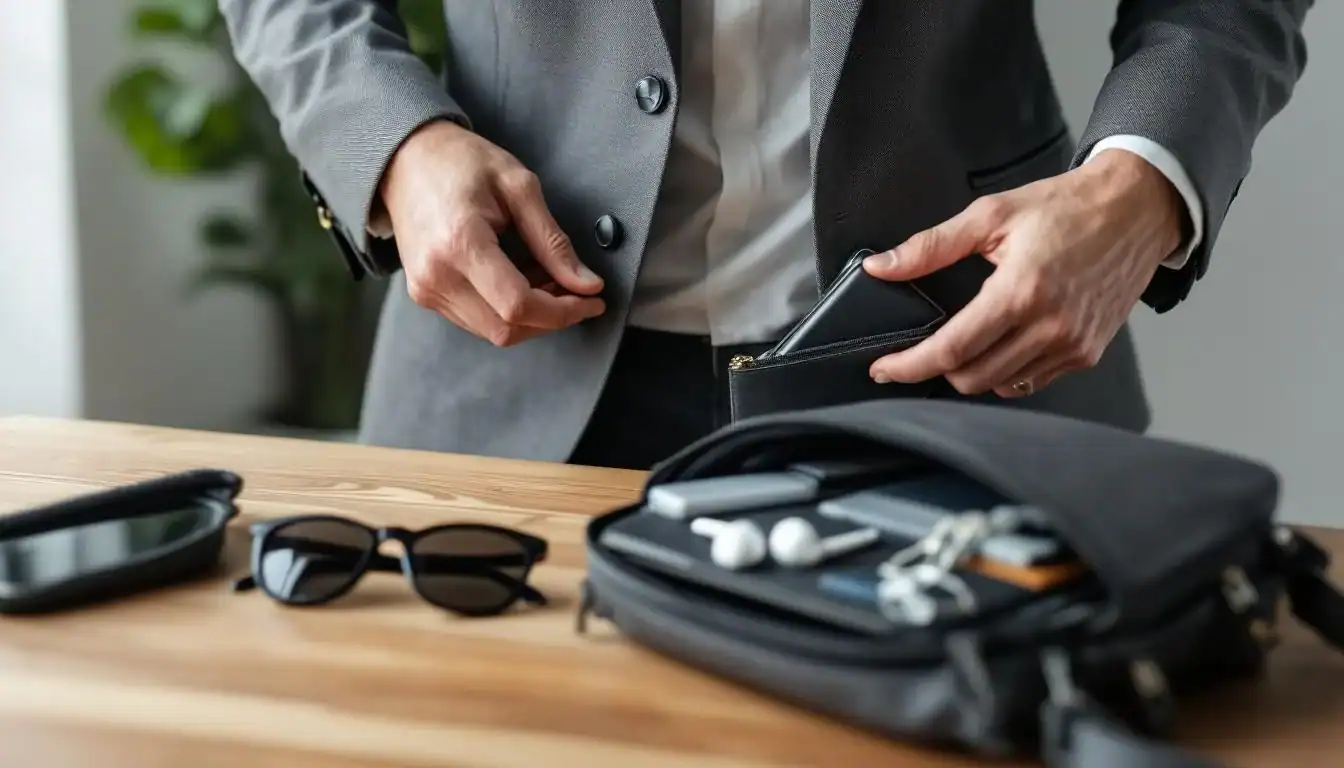
If you want to conceal carry without printing, you need to balance two things that often feel at odds: staying hidden and staying comfortable. Most CCW carriers struggle with printing, shifting holsters, or clothing that doesn’t cooperate—and that’s where the right concealment techniques make all the difference.
Learning how to conceal carry without printing isn’t just about gear. It’s about positioning, clothing choices, and habits that work together seamlessly. This guide covers the practical strategies that actually work, so you can carry with confidence whether you’re running errands in suburban Texas, commuting in the Southeast, or working an office job anywhere in the U.S. For a deeper dive into holster comfort and setup, see our complete holster wedge guide.
Positioning and Body Mechanics for All-Day Concealment
Finding Your Optimal Carry Position
Your carry position forms the foundation of everything else. Strong-side hip carry at the 3 to 5 o’clock position works for most people because it aligns naturally with your body and keeps the grip close to your torso. Your body type matters more than any rule—larger frames often conceal full-size guns effectively at 3 to 4 o’clock, while slimmer builds typically find appendix carry around 1 o’clock reduces printing because the gun sits flatter against the body.
Test positions during actual daily activities, not just standing in front of a mirror. Sit in your car, bend forward, reach overhead, and check how the grip moves. If you see printing during any of these movements, that position won’t work for you. Start with strong-side or appendix, test both for a full week, and stick with whichever lets you conceal carry without printing throughout your day.
Adjusting Holster Cant and Ride Height
Holster cant and ride height control whether your gun stays hidden or becomes visible. Most carriers find the sweet spot when the grip sits just below the shirt hem, offering concealment without sacrificing access. Forward cant (tilting the grip away from your body) keeps the grip tucked under an untucked shirt better than zero cant.
A stiff, wide gun belt resists sag and keeps your holster stable throughout the day, meaning less shifting and less printing. Cheap belts fold under the weight of your gun, causing the holster to move and the grip to print. Invest in a reinforced belt rated for concealed carry—you’ll notice the difference within hours.
How a Holster Wedge Eliminates Printing
Even with the right cant and ride height, many carriers find the grip still tilts away from the body—especially during appendix carry. A holster wedge like the Cloudster Pillow pushes the muzzle end of the holster away from your body, which tucks the grip inward and eliminates printing. This is one of the most effective ways to conceal carry without printing when using an IWB holster. The medical-grade foam conforms to your body without creating pressure points, and the soft bamboo cover prevents the hot spots that make all-day carry uncomfortable.
Managing Weight Distribution Throughout the Day
Weight distribution matters more than most carriers realize. A loaded compact pistol feels manageable, but adding extra magazines on the same side creates imbalance. Balanced weight distribution makes it easier to conceal carry without printing and keeps standing and sitting comfortable after eight or ten hours of carry.
Clothing Choices That Prevent Printing
Color, Pattern, and Fabric Weight
Dark colors and non-contrasting patterns hide gun outlines far more effectively than light shades. A black or dark gray shirt over a dark holster conceals much more effectively than a light tan shirt over the same setup. Vertical patterns like stripes or subtle textures work better than solid light colors because they give your eye something to follow other than the hard rectangular shape of your gun.
Fabric weight and drape control whether your gun stays hidden. Heavier cotton or cotton-blend shirts hold their shape and hang naturally without clinging, whereas athletic wear or thin synthetic fabrics mold directly to your gun and create obvious printing. Test your current daily shirts by wearing your holstered gun in front of a mirror while sitting, reaching, and bending.
Fit, Length, and Layering Strategy
Untucked shirts work better than tucked styles because they create airspace between the fabric and your body. Your hem should fall at least two inches below your belt line to cover the grip completely during normal movement. Winter gives you a genuine advantage with hoodies, cardigans, and jackets. Summer demands more strategy—choose looser tees or linen shirts that breathe without clinging. A lightweight vest or unstructured jacket works even in mild weather and helps you conceal carry without printing in warmer months.
Body Type and Personalized Concealment
Larger frames often conceal full-size pistols at 3 to 4 o’clock with just an untucked shirt. Slimmer builds need longer tops or an additional layer to prevent printing. If you carry appendix, watch for printing in the waistband area when sitting—forward cant combined with a longer shirt often solves this completely. Avoid saggy waistbands and clingy athletic wear entirely.
Movement, Adjustment, and Real-World Testing
Movement reveals printing faster than anything else—reaching overhead, bending forward, or even arm extension can shift your shirt and expose your grip. Practice these movements in your actual daily outfit before carrying in public. If printing persists despite clothing adjustments, a Cloudster Pillow holster wedge improves how your holster sits against your body, letting you maintain your current setup without replacing everything.
Daily Habits and Mindset for Confident Concealed Carry
Build Practice Into Your Weekly Routine
Pick one carry position and stick with it for at least four weeks before changing anything—your muscle memory needs time to develop. During those four weeks, practice drawing from your holster at home with an unloaded gun at least three times per week, focusing on a smooth motion from your actual daily carry clothes. Sit in your car, stand at a desk, bend down, then draw slowly. This trains your body to access your gun safely regardless of position.
Develop Situational Awareness as a Natural Habit
Situational awareness isn’t about being paranoid—it’s about staying mentally present and noticing changes in your environment. Walk into a room and notice exits, people’s positions, and mood shifts before anything happens. When you’ve mastered how to conceal carry without printing, you can stay aware of your surroundings and move naturally instead of constantly adjusting your gear.
Lock In Your Daily Carry Routine
Build your daily carry routine into something automatic: check your holster retention every morning, verify your magazine is secure, confirm your clothing prevents printing, then carry the same way every single day. Consistency transforms concealment from constant mental effort into something your body does without thinking.
Concealment Tips FAQ
What is the best carry position to avoid printing?
Appendix carry (1 o’clock) works best for slimmer builds because the gun sits flat against the body. Strong-side hip carry (3–5 o’clock) works better for larger frames. Test both positions during real daily activities—sitting, bending, reaching—to find which one conceals best on your body type.
How do I conceal carry without printing?
Use a combination of forward holster cant, proper ride height, dark patterned clothing, and a holster wedge to push the grip closer to your body. A quality gun belt that resists sag also prevents the shifting that causes printing throughout the day.
What clothing works best for concealed carry?
Dark colors, heavier cotton or cotton-blend fabrics, and untucked shirts with hems at least two inches below the belt line. Avoid light solids, thin synthetics, and athletic wear that clings to your body. Patterns and matte finishes break up your silhouette.
Does a holster wedge really help with concealment?
Yes. A holster wedge angles the grip of your firearm inward toward your body, which is the primary cause of printing for most IWB carriers. The Cloudster Pillow uses medical-grade foam to do this while also eliminating hot spots and pressure points during all-day carry. Learn more in our holster wedge guide.
How long does it take to get comfortable carrying concealed daily?
Most carriers need 3–4 weeks of consistent daily carry with the same setup to build muscle memory and stop thinking about their gun. Practice drawing at home three times per week during this period to accelerate the process.
Conceal Carry Without Printing Starts With Getting the Fundamentals Right
Concealment works when positioning, clothing, and habits all align. Get your carry position dialed in, choose fabrics and fits that hide your outline, and build consistent practice into your week. When your holster sits at the right height with proper cant, your shirt drapes naturally over your gun, and you’ve practiced drawing in your actual daily clothes, you stop thinking about concealment entirely.
That mental freedom is what real confidence feels like. A Cloudster Pillow holster wedge enhances your existing setup without requiring you to start from scratch—improving how your holster sits against your body and reducing printing during all-day wear so you can carry with total confidence.
