
CCW Training, Firearms Training
Everyday Concealed Carry Mindset: Staying Calm, Focused, And Prepared
Concealed Carry Mindset
Carrying a firearm daily demands more than just strapping on a holster and heading out the door. Your concealed carry mindset shapes how you handle stress, respond to threats, and maintain discipline throughout the day.
At Cloudster Pillow, we know that mental preparation separates confident carriers from anxious ones. This post covers the habits, training, and mental shifts that transform everyday carry from a burden into second nature.
Mental Preparation for Your Daily Carry
Your concealed carry mindset determines how you respond when stress hits. Over 21 million Americans hold concealed carry permits, but most struggle with the mental side of carrying daily. The physical gear matters less than what happens in your head when you’re tired, distracted, or facing an unexpected situation. Three practical shifts transform your approach: sharpening what you notice around you, training consistently to build real confidence, and managing the anxiety that comes with carrying responsibility.
Situational Awareness Without Paranoia
Most carriers get this wrong. They either become hypervigilant wrecks who see threats everywhere, or they zone out completely. The middle ground is what works. Situational awareness without obsessing over worst-case scenarios means you notice exits, identify who’s around you, and track changes in your environment. Start this week by focusing on exits. When you enter a building, note where people can enter and leave. This takes seconds and becomes automatic. Then add one more layer: observe the people near you.
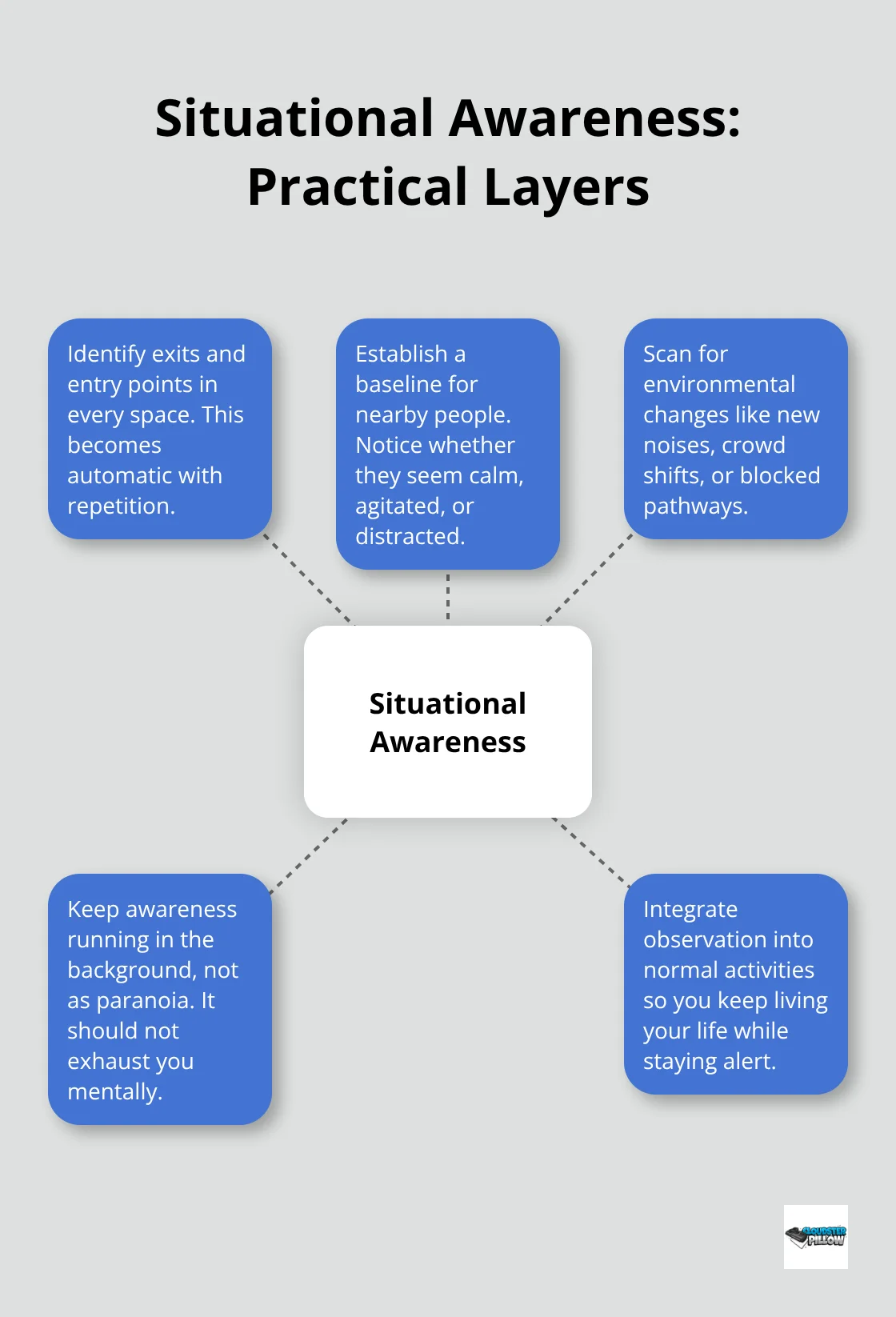
Are they calm, agitated, or distracted? This isn’t about judging-it’s about understanding the baseline so you notice when something shifts. Train yourself to do this while you live your life, not while you stand frozen in a parking lot. The goal is awareness that runs in the background, not awareness that exhausts you mentally.
Confidence Built Through Repetition, Not Hope
Confidence doesn’t come from owning a good gun or wearing the right holster. It comes from knowing exactly what your body will do when stress floods your system. Practice your draw from concealment at least twice weekly, even if you only perform five repetitions in your home. Draw, present, reset. No shooting is required for this foundation work. The reason repetition builds muscle memory for firearm handling under stress is neurological. When stress hits, your brain shuts down fine motor skills and defaults to what you’ve practiced thousands of times. If you’ve only drawn five times total, your body won’t know what to do. If you’ve drawn five hundred times, your hands move correctly without conscious thought. Many carriers skip this because it feels boring. That’s exactly why it works. Boring repetition builds the muscle memory that lets you stay calm under pressure. Your confidence isn’t fake-it’s based on knowing your hands will do the right thing because you’ve trained them to.
Managing the Weight of Responsibility
Carrying a firearm means you accept that you’re responsible for that weapon and its consequences. That weight can create anxiety, especially early on. Some carriers obsess over printing, others worry constantly about legal liability. The solution isn’t to ignore these concerns-it’s to address them systematically.
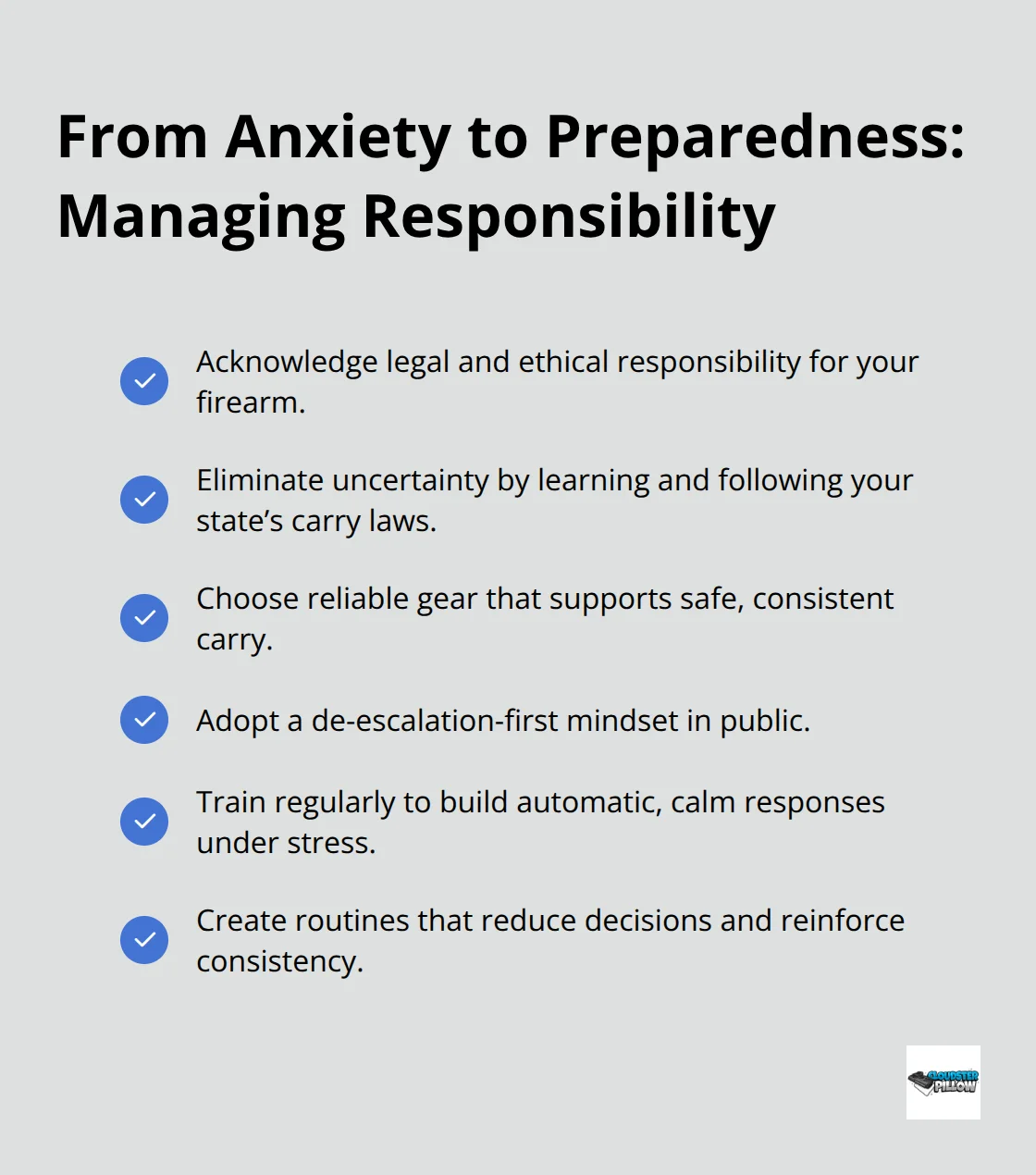
First, verify your state’s carry laws and any restrictions in your area. Uncertainty feeds anxiety. Concealed carry mindset is improved once you know the rules, follow them consistently. Second, invest in quality gear that reduces anxiety in concealed carry. A holster that covers your trigger guard fully, a belt that supports the weight of your firearm and holster while ensuring quick and secure access, and a carry method that works with your daily routine all reduce stress because they actually function. Third, accept that carrying is a commitment to de-escalation and sound judgment. You’re not looking for trouble. You’re prepared to handle it if it finds you. That mindset shift-from anxiety to preparedness-changes everything. Carriers who train regularly, know their laws, and use reliable equipment report significantly lower anxiety than those who skip these steps.
The Foundation for Consistent Carry
Mental preparation sets the stage for what comes next. You’ve sharpened your awareness, built confidence through repetition, and addressed the anxiety that comes with responsibility. These three elements form the foundation that allows you to establish consistent carry habits. The next step moves from how you think to how you act-creating daily routines and choosing gear that supports your mindset rather than fights against it.
Building Gear Habits That Stick
Your mental foundation is solid. Now you need a system that turns daily carry into automatic behavior instead of a decision you remake every morning. The carriers who stay consistent aren’t the ones with the fanciest gear-they’re the ones who treat carry setup like brushing their teeth.
Establish Your Daily Carry Routine
You establish a specific spot where your holster, belt, and firearm live when you’re not wearing them. Mine sits on my nightstand in the same configuration every single night. When you wake up, the gear is already arranged correctly, which eliminates the small decisions that drain mental energy. Decision fatigue is real. Research shows that people who make fewer trivial choices throughout the day have more mental capacity for actual problems. Set your carry configuration once, then stick with it.
Match Your Holster to Your Lifestyle
Choose your holster type based on how you spend your day, not based on what looks tactical in photos. If you sit for eight hours at a desk, appendix carry (AIWB) creates discomfort that builds resentment toward carrying. Behind-the-waistband (IWB) positioning works better for seated work because the gun sits at your hip instead of your abdomen. If you’re on your feet constantly, AIWB offers faster access and works well with consistent movement. Test your setup for a full week before deciding it’s final. One week tells you whether your holster causes printing under your normal clothing, whether your belt supports the weight without sagging, and whether you actually feel comfortable enough to forget you’re carrying. Most carriers abandon their setup after three days because they picked it based on internet recommendations instead of their actual lifestyle.
Maintain Your Holster and Belt
Your equipment needs maintenance, but not the way most people think. You don’t need to obsess over your firearm-modern pistols are remarkably reliable. What actually matters is your holster and belt. Check your holster monthly to confirm the retention hasn’t loosened and the trigger guard remains fully covered. A holster that has lost retention is dangerous. A belt that has stretched loses its ability to support your setup properly, causing printing and discomfort. Replace your belt when it no longer holds your holster firmly in place without twisting. These aren’t expensive replacements-a quality gun belt costs thirty to eighty dollars and lasts years with normal use.
Remove Obstacles to Consistency
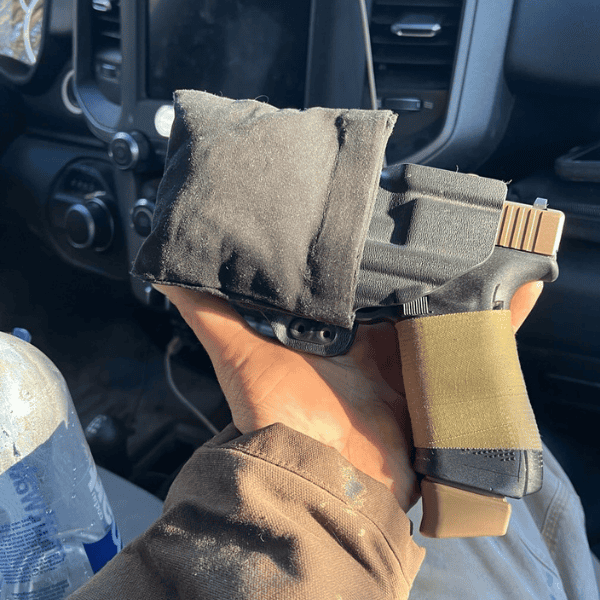
The real consistency killer is choosing a carry method that punishes you. If your holster digs into your ribs, if your belt cuts into your waist, or if your setup prints visibly, you’ll skip carrying on days when you’re tired or running late. Discomfort creates resistance that no amount of willpower overcomes. Many carriers struggle with pressure points and gaps between their body and the gun, which leads them to abandon their routine. Solutions exist that address these comfort issues without forcing you to replace your entire holster system. Consistency isn’t about willpower-it’s about removing obstacles that make carrying feel like punishment instead of preparation. Once you’ve solved the comfort problem, your carry setup becomes something you maintain rather than something you fight against every single day.
Training That Translates to Real Life
Practicing your draw at home five times weekly builds muscle memory, but it doesn’t prepare you for the legal and ethical reality of carrying a firearm. Real readiness combines technical skill with legal knowledge and sound judgment about when your firearm stays holstered.
Know Your State’s Carry Laws
Start with your state’s specific carry laws, not generic internet advice. Twenty-nine states allow permitless carry, but the other twenty-one have different requirements, and every state has restricted areas where carry is illegal. Carrying in a school parking lot, federal building, or courthouse creates felony charges regardless of your intentions.
Visit your state’s official government website and download the actual carry restrictions for your area. Write them down. This takes thirty minutes and eliminates the guessing that creates anxiety. Many carriers think they know the law but operate on outdated information or assumptions. One carrier in your state might legally carry in a restaurant while another state prosecutes that same action as a felony. Your responsibility is knowing your specific rules, not relying on what worked for someone in a different state.
Train for Judgment, Not Just Accuracy
Technical skill matters, but only within the context of judgment. Defensive shooting courses teach you to draw, present, and fire accurately, which is valuable. However, the decision about whether to draw your firearm is where training actually saves your life.
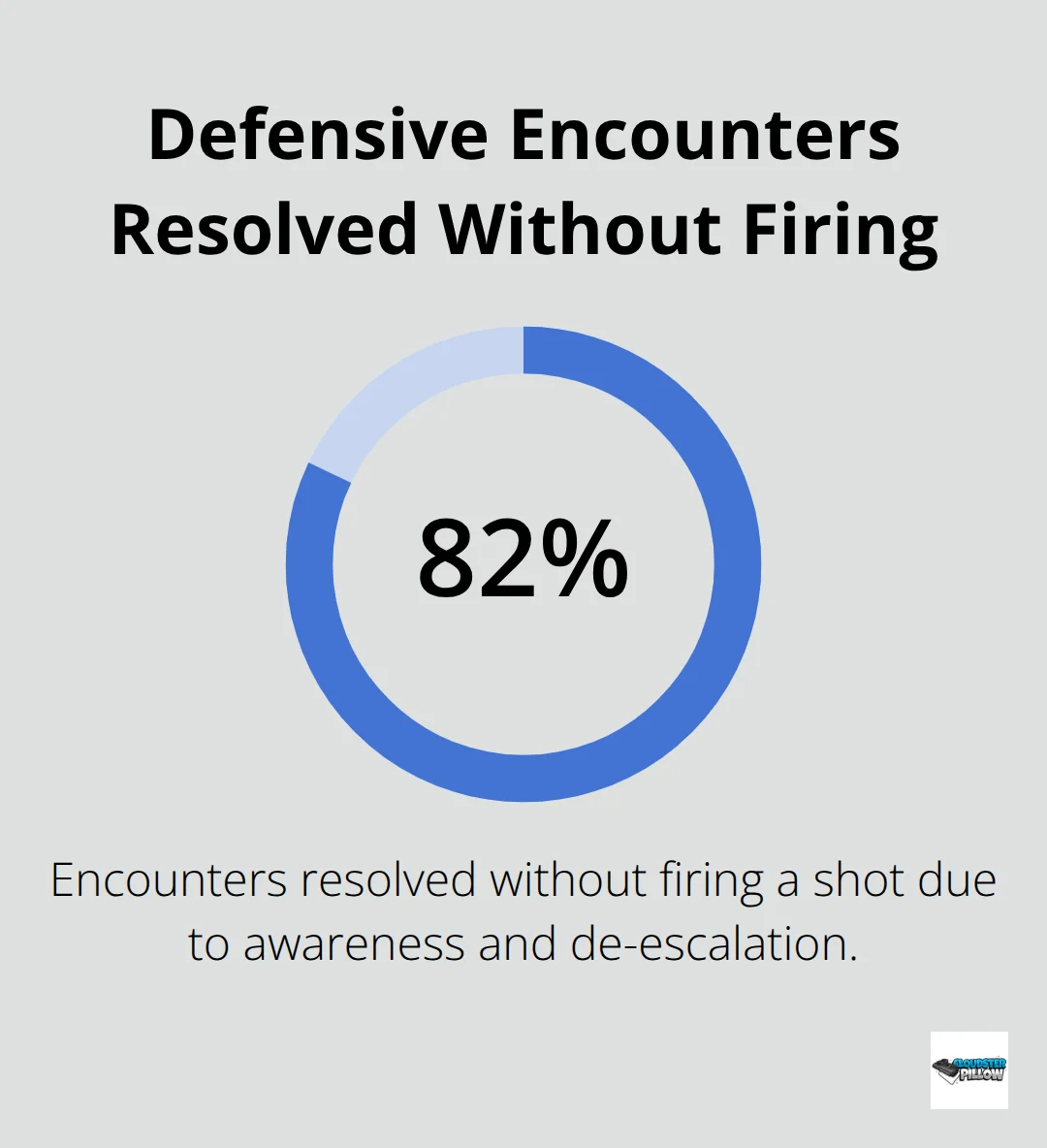
Eighty-two percent of defensive encounters never result in a shot fired, because awareness and de-escalation prevent the situation from escalating to that point. Your training should emphasize recognizing threats early, creating distance, and using your firearm only when you have no other option and imminent danger is present. All this plays into a healthy concealed carry mindset.
Match Your Training to Your Reality
Practice drawing from concealment in realistic clothing, not in a t-shirt at an indoor range. Practice from seated positions if you spend your day at a desk. Practice from behind barriers if your environment includes obstacles. The scenarios you train for should match your actual life, not Hollywood gunfight fantasies.
After you train, document what you learned and what you need to improve. Carriers who track their progress and adjust their training based on actual performance improve faster than those who just show up and go through motions.
Eliminate Gear Distractions
Your carry setup directly impacts your ability to draw quickly and safely. Discomfort from pressure points or gaps between your body and holster creates hesitation when you need to access your firearm. Solutions exist that address these comfort issues without forcing you to replace your entire holster system. When your gear works properly, your focus stays on training and readiness, not on adjusting your equipment throughout the day. This enhances a positive concealed carry mindset.
Consistent, realistic training combined with legal knowledge and solid equipment creates the readiness that separates prepared carriers from those who carry but aren’t truly ready.
Final Thoughts
Everyday concealed carry mindset develops through consistent practice, honest self-assessment, and a commitment to removing obstacles that undermine your routine. The carriers who stay prepared train regularly, know their laws cold, and maintain equipment that actually works for their lifestyle. Three shifts separate prepared carriers from those who carry but aren’t truly ready: you move from hoping your training will work to knowing it will through hundreds of repetitions, you stop fighting your gear and start using equipment that supports your daily life, and you accept that carrying demands judgment and de-escalation rather than escalation.
Small discomforts kill consistency faster than any external obstacle. Pressure points, gaps between your body and holster, and equipment that doesn’t fit your lifestyle create resistance that willpower cannot overcome. When your setup works properly, carrying becomes automatic and your focus shifts from adjusting gear throughout the day to maintaining awareness and staying ready.
We at Cloudster Pillow understand that comfort directly impacts your ability to carry consistently. Explore how our holster wedges enhance your comfort and concealment so you can focus on what actually matters: training, awareness, and preparedness.

Pingback: Real Life Preparedness Mindset for CCW Carriers