
EDC Gear, Uncategorized
Essential EDC Gear Every Person Should Carry Daily
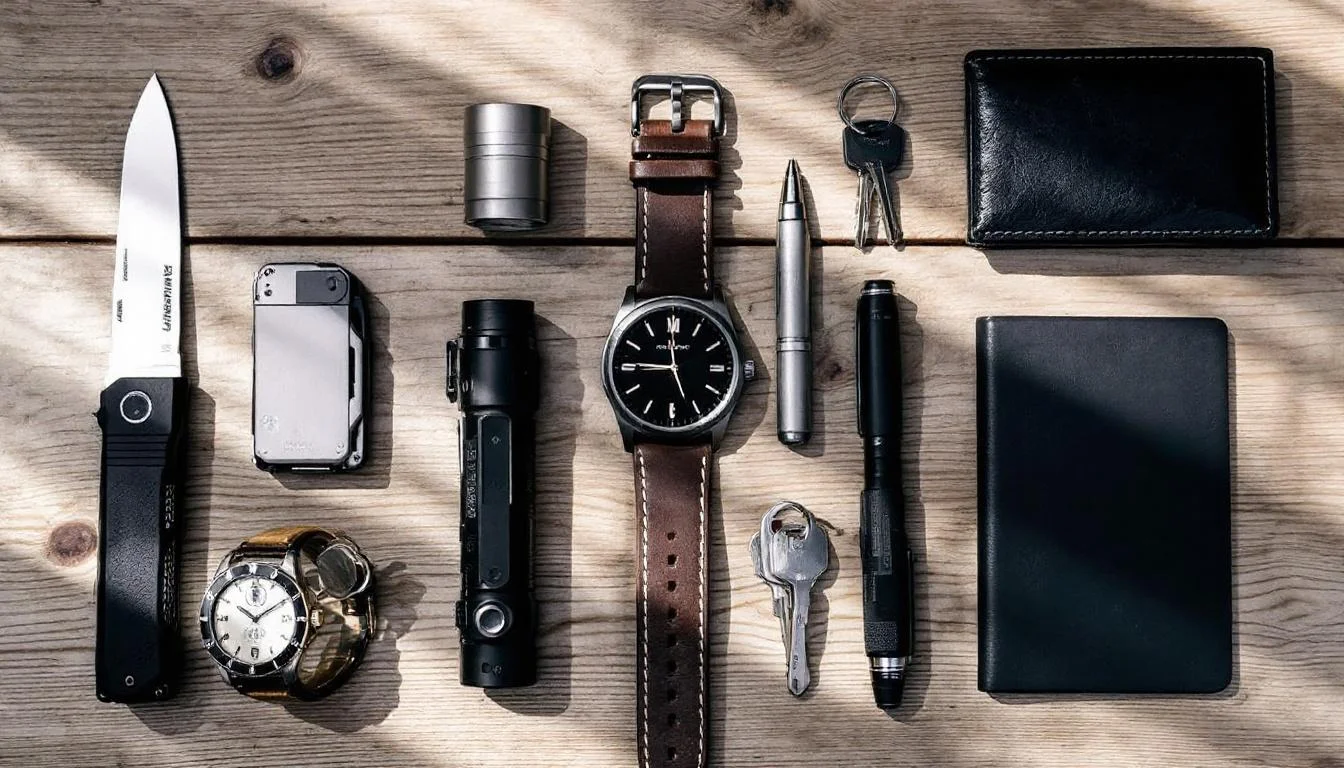

Your daily routine can change in an instant when unexpected situations arise. Having the right essential EDC gear makes the difference between being prepared and being caught off guard.
We at Cloudster Pillow understand that smart preparation starts with carrying practical tools that serve multiple purposes. The best EDC items blend seamlessly into your daily life while providing real solutions when you need them most.
What Three Tools Handle 90% of Daily Emergencies
The Multi-Tool That Actually Gets Used
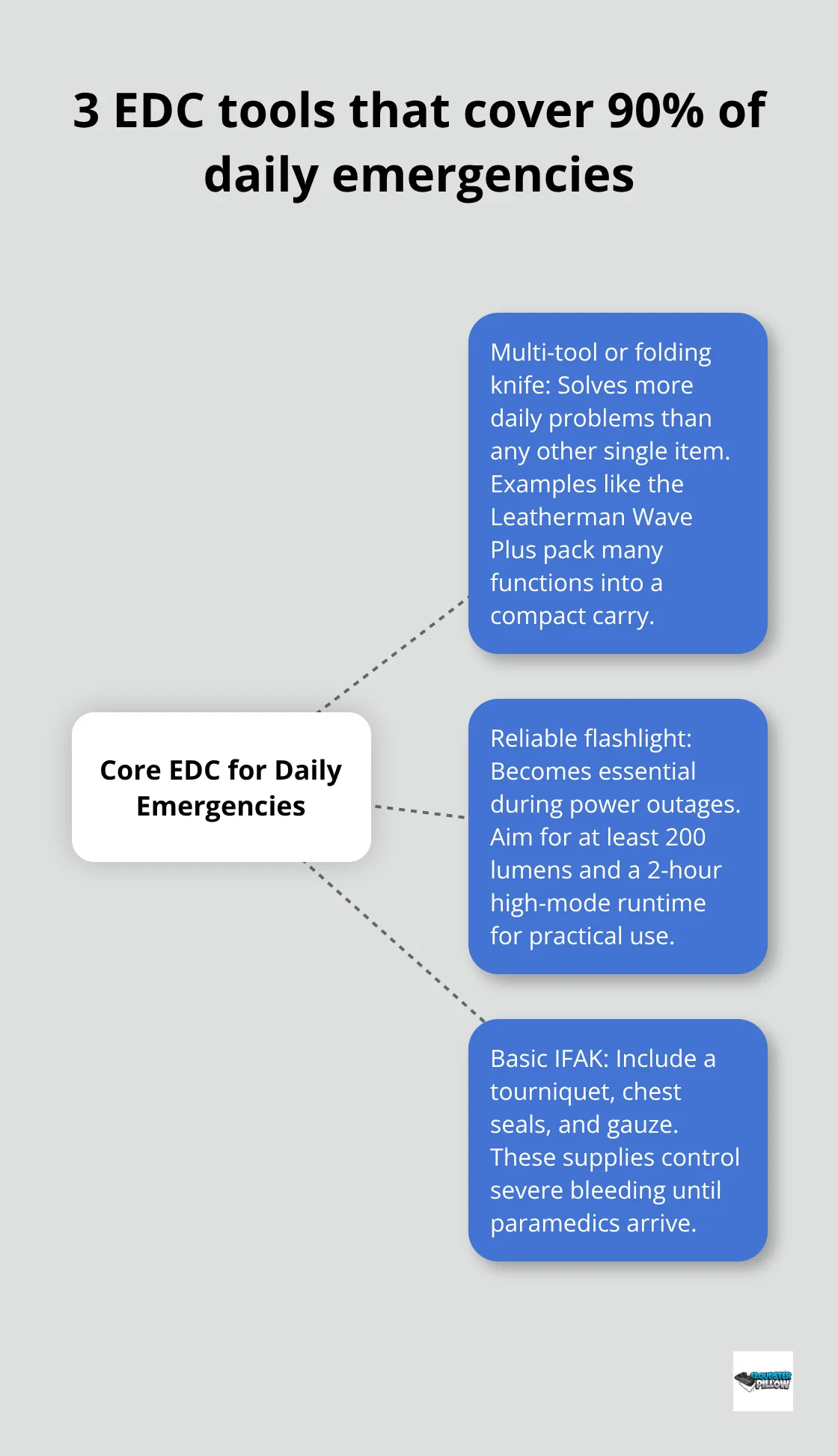
A quality multi-tool or folding knife solves more daily problems than any other EDC item. The Leatherman Wave Plus consistently ranks as the top choice among professionals because it combines 18 tools in an 8.5-ounce package. Police officers report they use their multi-tools 3-4 times more often than their firearms during duty shifts.
The key features that matter most are needle-nose pliers, a 3.25-inch blade, and wire strippers. Skip the gimmicky tools and focus on models with replaceable wire cutters. The SOG PowerPint offers the same core functionality at half the weight for office workers who need something more discreet.
Emergency Illumination That Works When It Matters
Power outages affect the average American household 1.3 times per year, lasting an average of 3.5 hours according to the Energy Information Administration. A reliable flashlight becomes essential gear, not optional equipment.
The Streamlight ProTac 1L-1AA delivers 350 lumens and runs on either AA or CR123A batteries (which gives you backup power options when stores close). Tactical flashlights with crenellated bezels provide self-defense capabilities while the strobe function can disorient attackers or signal for help. Always carry a flashlight with at least 200 lumens and a minimum 2-hour runtime on high mode.
Medical Supplies That Save Lives
Medical emergencies happen more frequently than violent crimes, yet most people carry weapons instead of first aid supplies. A basic Individual First Aid Kit should include a tourniquet, chest seals, and gauze.
The North American Rescue Mini First Aid Kit weighs only 4 ounces but handles severe bleeding until paramedics arrive. Tourniquets save lives in car accidents, workplace injuries, and mass casualty events. The Committee on Tactical Combat Casualty Care reports that proper tourniquet application prevents deaths from extremity hemorrhage.
These three core items form the foundation of effective daily preparedness, but personal protection adds another layer of security that many concealed carry practitioners consider equally important.
What Personal Protection Tools Actually Work
Non-Lethal Options That Stop Threats
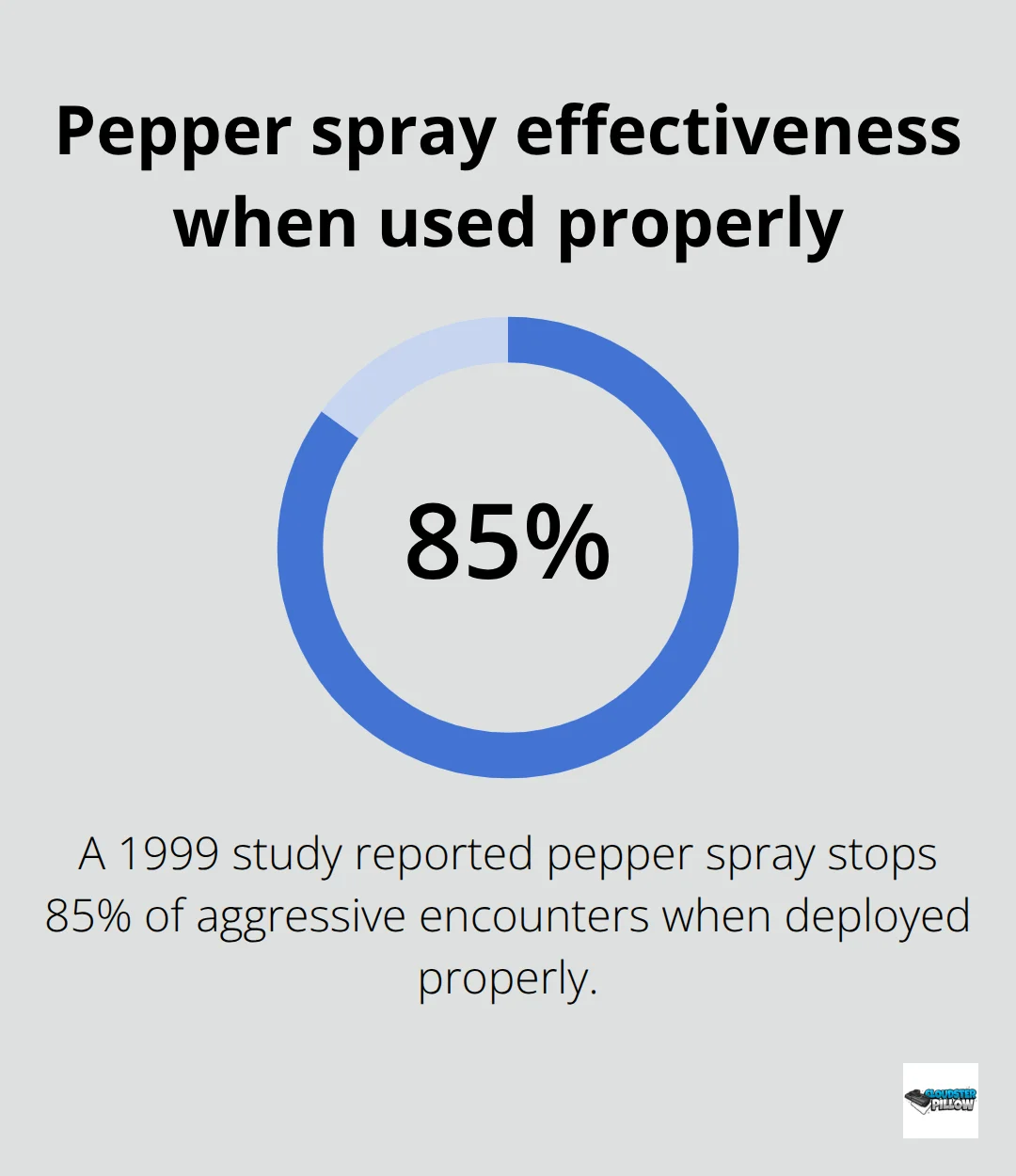
POM pepper spray delivers 10% oleoresin capsicum in a flip-top design that prevents accidental discharge while it provides 12-foot range. A 1999 study found that pepper spray stops 85% of aggressive encounters when people deploy it properly, which makes it more reliable than tasers that require close contact. Sabre Red gel formulation reduces wind blowback and cross-contamination, while the 18-gram canisters provide 25 half-second bursts.
Personal alarms generate 120-130 decibels (equivalent to a jet engine at takeoff). The SLFORCE Personal Alarm attaches to keychains and activates with a simple pin pull. Security professionals recommend alarms over whistles because attackers cannot muffle electronic devices as easily. Position alarms where you can activate them with your non-dominant hand when an attack occurs.
Concealed Carry Reality Check
Licensed concealed carriers face legal and practical challenges that proper training addresses better than equipment alone. Concealed carry permits continue to grow nationwide, with millions of Americans choosing this personal protection option. Appendix inside-the-waistband carry offers the fastest draw times but requires proper holster selection and body position to prevent the outline from showing through clothes.
Quality holsters with adjustable retention and full trigger guard coverage prevent negligent discharges. Kydex holsters maintain their shape under stress while leather holsters conform to body contours for comfort when you wear them all day. Practice your draw from concealment at least weekly because muscle memory degrades without consistent repetition.
Emergency Communication Beyond Cell Phones
Cell towers fail when natural disasters, power outages, and network overloads occur. The FCC documented widespread cellular failures that lasted weeks in affected areas after Hurricane Katrina hit. Ham radio operators provided critical emergency communications when traditional networks collapsed completely.
Baofeng UV-5R handheld radios cost under $30 and access emergency frequencies without licenses when actual emergencies happen. Program NOAA weather channels, local emergency services, and family communication frequencies before disasters strike your area. Satellite communicators like the Garmin inReach Mini provide two-way text messages and GPS location data in remote areas where cell coverage never existed.
These protection tools work best when you combine them with practical everyday items that modern life demands.
Which Everyday Items Prevent Technology Failures
Modern technology fails when you need it most, but simple backup tools keep you functional when outages and emergencies strike. The average smartphone battery lasts 11-14 hours under normal use, yet Americans spend over 5 hours daily on their devices. Power banks with 20,000mAh capacity charge most phones 4-6 times and weigh only 12 ounces.
Power Solutions That Actually Work
Anker PowerCore models include multiple USB ports and fast-charge protocols that work with iPhone and Android devices. Portable chargers fail when you forget the right cables, so carry both Lightning and USB-C connectors in your EDC kit. Magnetic charge cables prevent port damage and connect in dark conditions when traditional plugs become impossible to use.
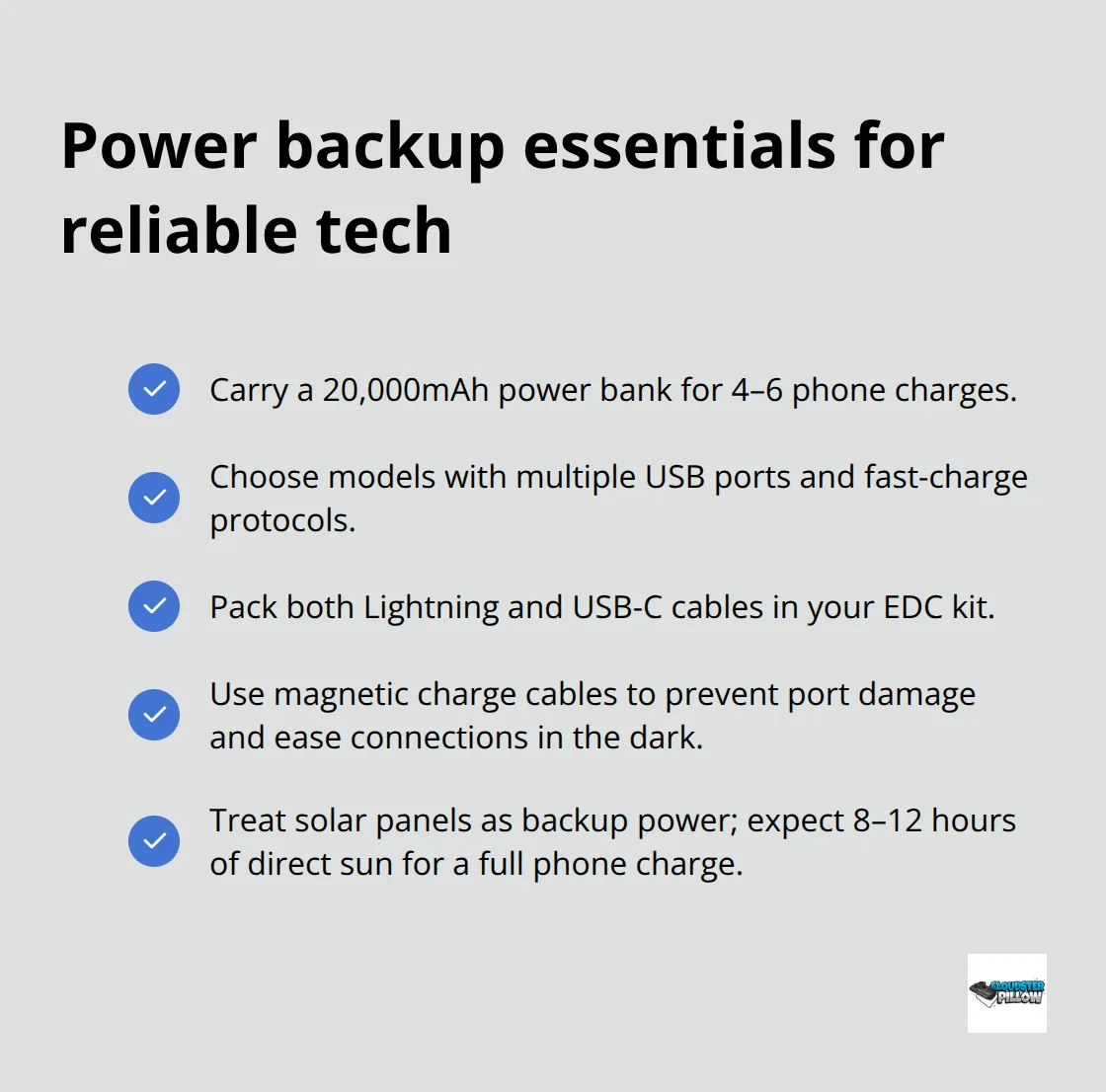
Solar chargers provide backup power when extended outages occur, though they require 8-12 hours of direct sunlight to fully charge modern smartphones. The Goal Zero Nomad 7 generates enough power for emergency communication when grid power disappears for days.
Cash Beats Cards When Systems Crash
Payment systems crashed nationwide for hours when the 2017 Equifax breach occurred, which left millions unable to access their money through electronic means. Federal Reserve data shows over 90% of consumers intend to use cash in the future, while businesses increasingly refuse cards when power outages or network failures happen.
Carry $200-300 in mixed bills because ATMs stop work when electricity fails and stores cannot process electronic payments. Twenty-dollar bills work best for most purchases, while smaller denominations help with exact change when businesses cannot make change in emergencies.
Write Tools That Function Without Power
Digital devices become useless when batteries die or electromagnetic pulses disable electronics, but mechanical pencils and waterproof notebooks function regardless of external conditions. The Rite in the Rain 935 notebook survives water exposure and extreme temperatures while it maintains readable text.
Space Pen cartridges write at any angle, upside down, underwater, and in zero gravity conditions (which makes them reliable when standard pens fail). Emergency contact information, medical allergies, and important account numbers written on paper remain accessible when phones become paperweights in disasters.
Final Thoughts
Your essential EDC gear must match your daily environment, legal restrictions, and actual needs rather than popular recommendations. Start with the three core items that handle 90% of emergencies: a quality multi-tool, reliable flashlight, and basic first aid supplies. Add personal protection tools based on your training level and local laws.
Focus on proven brands that professionals trust instead of collecting gadgets that duplicate functions. The Leatherman Wave Plus costs more than cheap alternatives but provides decades of reliable service. Quality gear performs when your life depends on it, while budget items fail during critical moments (especially when you need them most).
Your carry system evolves as your lifestyle changes. Office workers need different tools than outdoor professionals, while parents require additional medical supplies for family emergencies. We at Cloudster Pillow understand that comfortable carry makes consistent carry possible, which is why our holster wedge helps everyday carriers achieve all-day comfort with AIWB and IWB holsters.

Pingback: Premium Leather EDC Gear Worth the Investment - Cloudster Pillow
Pingback: Understanding EDC Gear Meaning and Its Importance
Pingback: Everyday Carry Dump Tray: Building a Daily EDC Reset Routine