
Carry Techniques and Optimization
Inside Waistband Comfort Fixes: Practical Remedies For All Day Wear
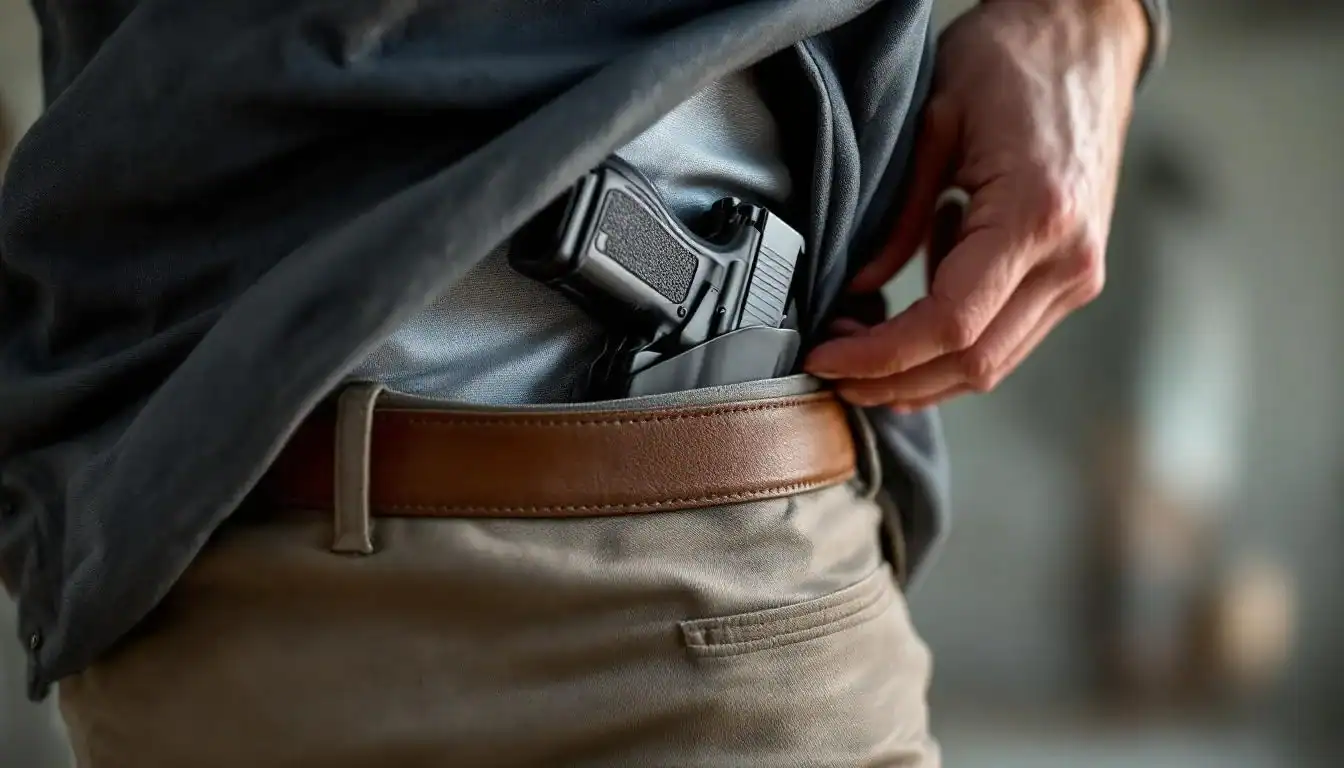
 Carrying an IWB holster all day shouldn’t mean sacrificing comfort. Most carriers deal with printing, pressure points, or restricted movement-issues that pile up over hours of wear.
We at Cloudster Pillow know these problems well, and the good news is they’re fixable. Small adjustments to positioning, accessories, and setup make a real difference in how your carry feels.
What Makes IWB Holsters Uncomfortable Throughout the Day
Printing Defeats Concealment Fast
Printing happens fast when you wear an IWB holster, especially in fitted clothing or when you sit down. The grip profile of your firearm presses against fabric, creating a visible outline that defeats the whole purpose of concealed carry. A Glock 48 in an appendix position prints noticeably under a t-shirt within minutes of sitting at a desk, and that problem multiplies with larger frames like the Glock 19 or 17. Many carriers report that rear sight printing or optic printing becomes unavoidable once they bend forward or lean against a chair.
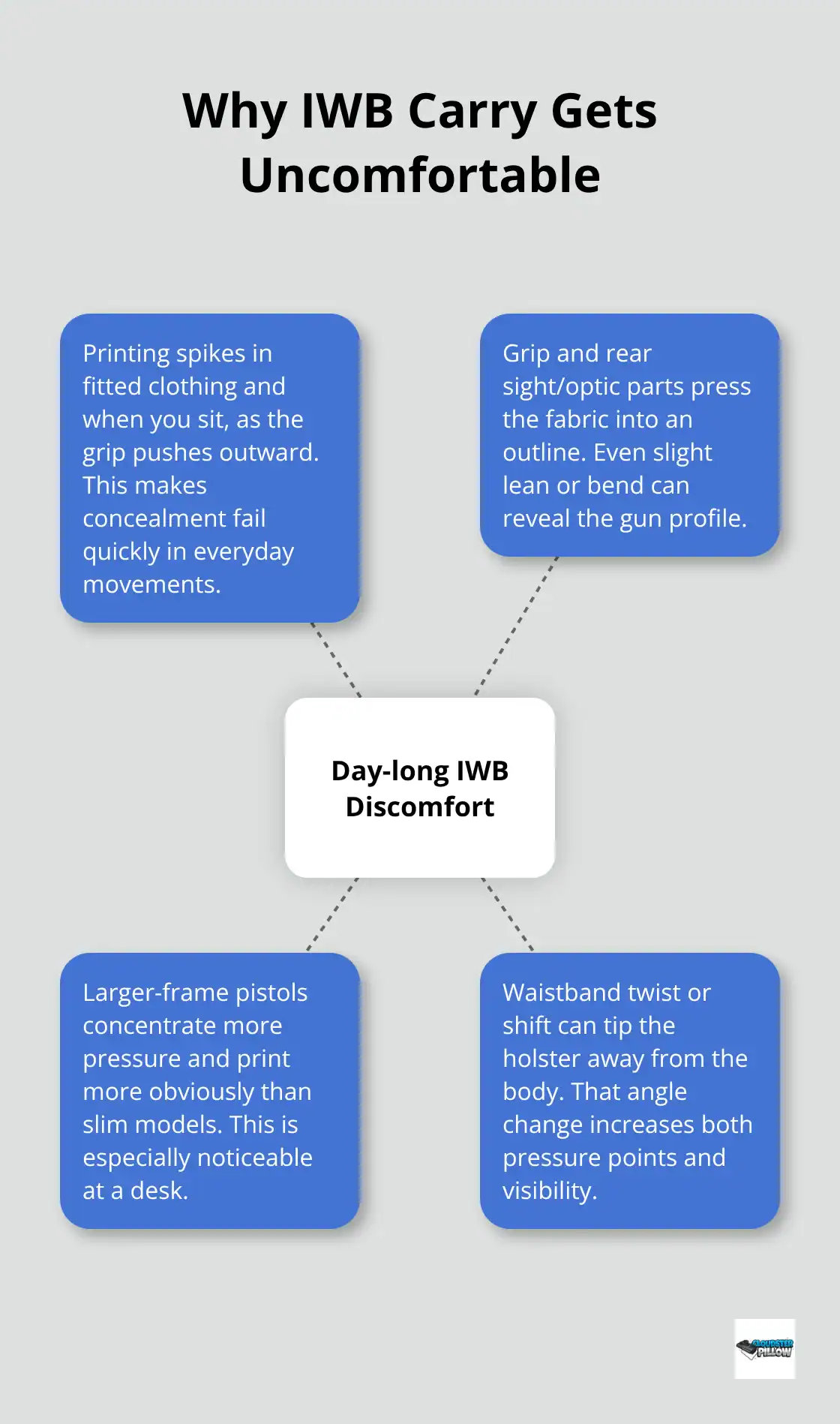
The pressure intensifies when waistbands twist or shift during movement, pushing the holster angle away from your body and making concealment nearly impossible. Clothing choice matters here-even quality fabrics can’t hide a gun that sits at the wrong angle or ride height.
Pressure Points Create Real Pain
Pressure points develop where the holster edges contact your body, particularly along the pelvic bone and lower abdomen. Carriers with 10+ years of experience report that even premium holsters from brands like Tier 1 Concealed dig into the pelvis when worn all day, especially during transitions between sitting and standing. The problem worsens when belts are too rigid or waistbands sit too low, concentrating force on a small area rather than distributing it evenly.
Skin irritation follows quickly-chafing, red marks, and raw spots emerge after 6-8 hours of consistent pressure, making all-day carry feel unsustainable. Restricted movement compounds these issues because carriers instinctively adjust their posture to avoid pressure, limiting how freely they can bend, reach, or turn.
Why Standard fixes fall short
Placing an IWB holster at the 2 o’clock position fits snug in that valley, rides low, and avoids direct pressure when sitting. Carriers report that even after dropping from the mid-190s to the mid-160s, pelvic bone pressure persists with most AIWB setups. Elastic-rear belts (like the Hunter Constantine style) provide minimal relief for many users. The core issue remains: standard holsters and gear combinations don’t account for individual body geometry and movement patterns.
This is where targeted adjustments-repositioning your holster, selecting the right waistband fabrics, and adding comfort accessories-make the real difference. The next section covers practical solutions that address these specific pain points without requiring a complete gear overhaul.
Finding Your Comfort Sweet Spot
Positioning Your Holster in the Right Zone
The difference between an uncomfortable carry and an all-day sustainable one often comes down to three adjustable factors: where your holster sits on your waistline, what accessories you add to it, and how your pants and belt distribute pressure. Start with holster positioning within the 10 o’clock to 2 o’clock range between your hip bones. This zone keeps your firearm accessible while avoiding direct pelvic bone contact. Ride height matters equally-too low and the grip digs into your abdomen when sitting; too high and the muzzle creates a pressure hotspot at your lower belly.
Most carriers find their sweet spot between half an inch and an inch above the waistband. Test this by sitting at a desk for 20 minutes in different positions, then standing and checking for printing. The position that feels neutral during transitions-not pinching when you sit, not loose when you stand-is where your holster belongs. If you’re carrying a Glock 48 in appendix position, small adjustments here eliminate the digging sensation that plagues most AIWB setups.
How Holster Wedges Transform Comfort and Concealment
Holster wedges address the core concealment and comfort problem that positioning alone cannot solve. A wedge tilts your gun’s grip toward your body, reducing both printing and the outward pressure that creates hotspots. Placement matters significantly: position the wedge toward the slide side for maximum grip tuck, or toward the grip side to reduce optic printing and muzzle-end discomfort.
Most carriers see noticeable relief within the first day of use. Velcro attachment means you can reposition it while you set it up, without buying new gear. Materials like kydex or foam work equally well, and DIY wedges cost under ten dollars if you prefer that route. Pairing a wedge with the right waistband transforms all-day wear from painful to sustainable.
Selecting Pants and Belts That Support All-Day Wear
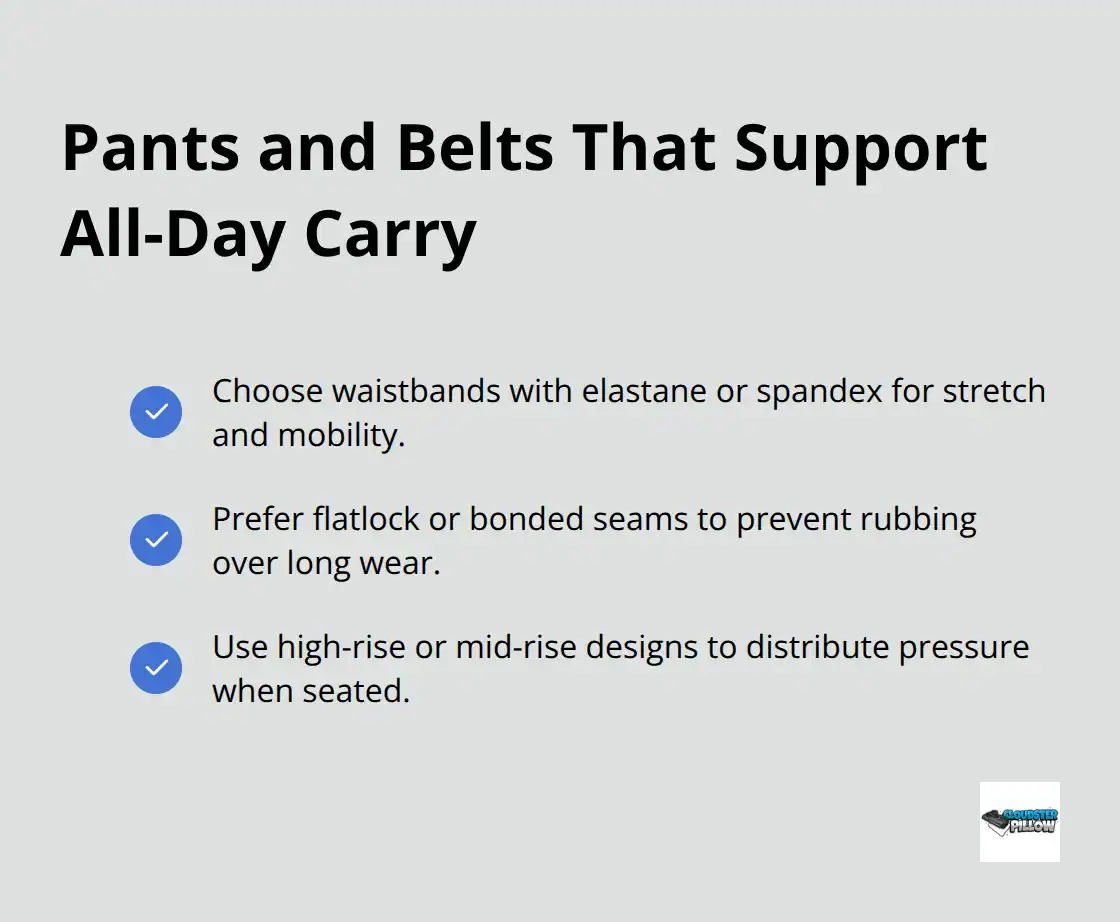
Choose pants with elastane or spandex blends in the waistband-these stretch with your movement instead of digging in during transitions. Flatlock or bonded seams eliminate rubbing irritation that develops over 8+ hours. High-rise or mid-rise designs prevent the waistband from sinking into your abdomen when seated, distributing pressure across a wider area.
Pair this with an elastic-rear belt or slim, smooth belt that avoids bulk at the front of your waistline. The combination of a properly positioned holster, a wedge, and supportive pants reduces pressure point issues that even premium holsters cannot eliminate alone. These three elements work together to create a carry setup that feels natural throughout your day. For carriers seeking an extra edge in comfort and concealment, the Cloudster Pillow holster wedge offers a premium solution designed specifically for all-day appendix carry-visit https://cloudsterpillow.com/holster-wedge/ to discover how it transforms your setup.
What Real Carriers Changed to Stop the Pain
Positioning Shifts Eliminate Pressure Points Fast
Carriers with a decade of experience report that small positioning adjustments eliminate pelvic bone pressure within days. One carrier dropped from the mid-190s to the mid-160s and still felt digging sensations with standard AIWB setups until adjusting ride height by half an inch-that single change removed the pressure hotspot entirely. Another tested a Glock 48 in appendix position and found that moving the holster from 1 o’clock to 1:30 stopped printing under fitted t-shirts during desk work. Body geometry varies too much for factory ride heights to work universally, so testing your exact position through multiple 20-minute seated sessions reveals where your pelvic bone sits relative to your holster’s contact points.
Carriers who skip this step waste money on new gear when repositioning costs nothing. The pattern holds across different firearms-moving from a Glock 19 to a Glock 48 often requires different ride heights because larger frames concentrate force differently. Pressure point relief happens fastest when you combine positioning changes with proper waistband selection, since high-rise pants with elastane blends distribute contact across a wider area instead of concentrating it on one spot.
Wedge Placement Transforms Concealment Immediately
Holster wedges reduce printing in fitted shirts by tucking the grip closer to the body and moving the firearm’s profile closer to the torso. One carrier experiencing constant rear sight printing with a Tier 1 Concealed holster added a wedge and eliminated visible optic outline within the first day. The Velcro attachment lets you reposition the wedge while you are setting it up; once it’s set, it rides the same way every time.
Carriers test wedge positions at different placements-slide side versus grip side-and discover that small adjustments produce noticeable concealment differences, confirming that wedge placement acts as a true pivot point affecting how your gun sits against your body. Daily carriers report that wedges combined with proper waistband setup make all-day carry feel sustainable rather than something they endure. Materials like kydex or foam work equally well, and DIY wedges cost under ten dollars if you prefer that route.
Why Wedges Address What Positioning Cannot
The consensus from experienced users is clear: holster wedges address comfort and concealment simultaneously in ways that positioning or belt changes alone cannot achieve. A wedge tilts your gun’s grip toward your body, reducing both printing and the outward pressure that creates hotspots. Velcro attachment allows you to reposition it while you set it up, without buying new gear. Carriers who combine wedges with proper waistband selection and positioning adjustments report the most dramatic improvements in all-day wearability. For maximum comfort during extended carry sessions, the Cloudster Pillow at https://cloudsterpillow.com/holster-wedge/ offers a premium holster wedge designed to enhance both concealment and comfort throughout your day.
Final Thoughts
All-day IWB holster comfort stems from three interconnected changes: positioning your holster in the right zone, adding a wedge to reduce printing and pressure, and selecting pants and belts that distribute contact evenly across your body. None of these fixes requires replacing your entire setup or spending hundreds on new gear. A carrier experiencing pelvic bone pressure can reposition their holster by half an inch and feel relief within days.
Your holster position affects how pressure distributes, your wedge placement determines how much your gun prints, and your waistband choice influences whether that pressure concentrates on one spot or spreads across a wider area (all three factors work together to transform all-day carry from painful to natural). What works for someone carrying a Glock 48 in appendix position may differ from what works for you, and that’s expected. Your body geometry, movement patterns, and clothing preferences are unique, so test these variables systematically.
We at Cloudster Pillow designed our holster wedge specifically for carriers seeking real comfort without replacing their entire holster system. Visit our holster wedge to see how small adjustments transform your carry experience.
