Holsters and Gear Recommendations
Concealed Carry Red Dot: What Sources Say About Pistol Optics for Carry
Quick answer: A concealed carry red dot is a small electronic sight on a carry pistol’s slide that puts an aiming dot on the target. The sources here credit it with target focus, low-light use and help for aging eyes. They also list the costs: added height, a holster made for an optic, battery checks, and training before it makes you faster.
What Is a Red Dot Sight?
The USCCA defines it: “A red-dot sight is an electronic optic that projects an illuminated dot (or reticle) on a lens within an enclosed or open emitter housing. Unlike iron sights that require alignment of front and rear posts, red-dots project a single aiming point that sits directly on the target.”
It describes two designs:
- Open emitter (reflex): “lightweight and have an open design where the LED emitter is exposed behind a single lens,” but “more susceptible to dirt, moisture or lint, which can disrupt visibility.”
- Enclosed emitter: “a sealed design with the emitter enclosed between two lenses,” and “typically bulkier than open-reflex sights.”
What the Sources Say a Red Dot Helps With
The USCCA’s list:
- “Faster target acquisition: A single focal plane allows faster sight alignment”
- “Low-light adaptability: Adjustable brightness helps maintain visibility in poor lighting”
- “Easier for compromised vision: Eliminates focus shift between rear and front sights”
- “Improved peripheral awareness: Red dots encourage both-eyes-open shooting”
The Armory Life’s tester explains the focus difference: “With a red dot, you focus on the target; with traditional sights, you focus on the front post.”
The Trade-Offs for Concealed Carry
- Height: the USCCA says a red dot “can add up to an inch in height. This won’t matter at appendix, but may be a factor in other locations.”
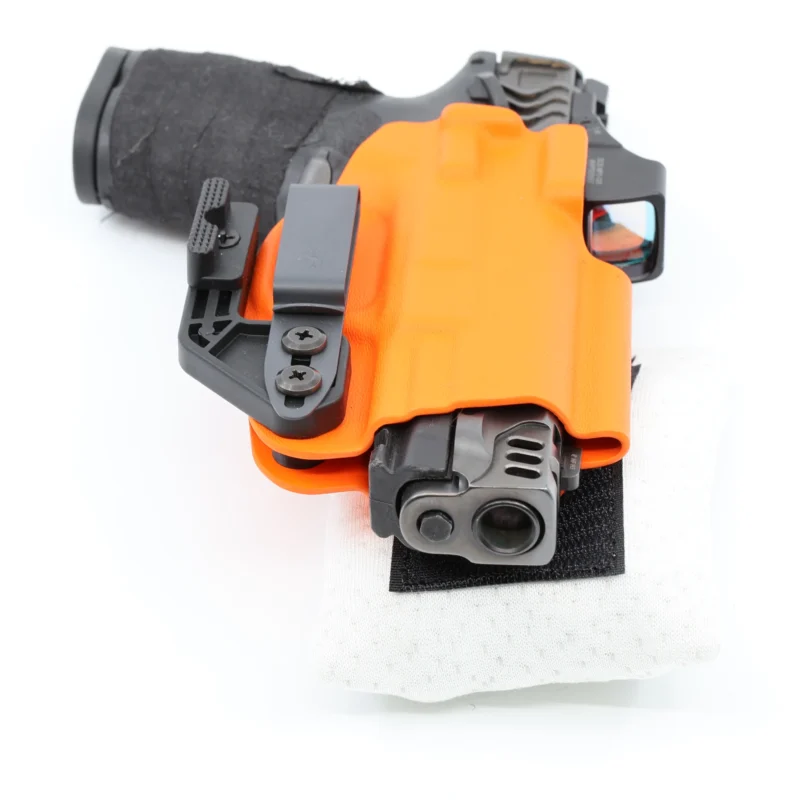
- The holster: “Some holsters won’t accommodate a pistol with an optic, but more companies are making optic-ready holsters every month.” For many carriers, “this means replacing or modifying a holster before adding a red-dot sight.”
- Training: “A red dot does not make you instantly faster. In fact, most people are slower until they train with it.”
- Batteries: the USCCA notes many sights “run continuously for years at a medium setting. However, it’s a good idea to change the battery annually to be safe.”
On mounting, the USCCA says “You can replace the rear sight with an adapter plate, but the best option is to have your slide milled or buy an optic-ready pistol,” and that the optic adds “about an inch with dovetail mounts or less with a milled slide.”
One Tester’s Results
The Armory Life’s writer tested the same carry pistol with its factory sights and with a red dot at 10 yards. His groups measured 1.9″ with each, and in dry-fire draws his red dot times “were 1.7 seconds and dropped to 1.6 seconds,” against 1.7 to 1.8 seconds with the factory sights once warmed up. His verdict: “The red dot got the edge here, but not by much.”
He also hit a snag with auto-brightness. With a dot that had no manual controls, shooting from shade at a sunlit target, “When I raised the red dot to the target, it was faint.” His summary: “In a defensive situation, the limiting factor will be you and not the sights.”
Holster and Comfort With an Optic
A pistol with an optic needs a holster that accommodates it, as the USCCA notes above. Since the optic adds height, see our appendix carry guide and our guide to carry positions. Our Hellcat Pro holster and Glock 43X holster pages cover holsters for those pistols.
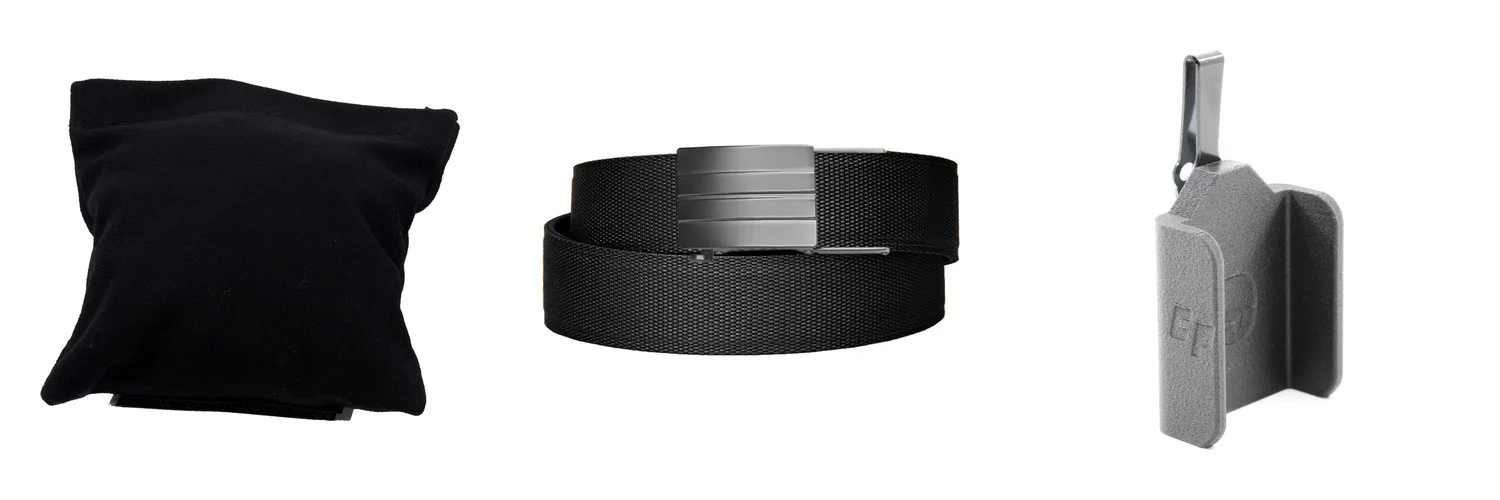
For comfort inside the waistband, the Cloudster Pillow holster wedge mounts to any flat-back IWB or AIWB holster with hook-and-loop, angles the grip into your body, and has memory-foam fill you can add or remove to set its thickness. The Kore gun belts we carry are 1.5″ wide.
Concealed Carry Red Dot: Questions People Ask
Is a red dot worth it for concealed carry?
The sources here list real benefits and real costs. The Armory Life’s tester found the red dot faster “but not by much,” and the USCCA says most people are slower until they train with one.
Does a red dot make a pistol harder to conceal?
The USCCA says it can add up to an inch of height, which “won’t matter at appendix, but may be a factor in other locations.”
Do I need a new holster?
Often. The USCCA says some holsters won’t accommodate an optic and many carriers replace or modify theirs.
How often should I change the battery?
The USCCA suggests changing it annually.
Written by the Cloudster Pillow team. We make the Cloudster Pillow and the Cloudster magnetic mag carriers, and carry Kore belts. We don’t sell optics, holsters or firearms, and no maker paid to be mentioned here. This page summarizes published views from the sources named; it is general information, not legal advice or a substitute for professional training.