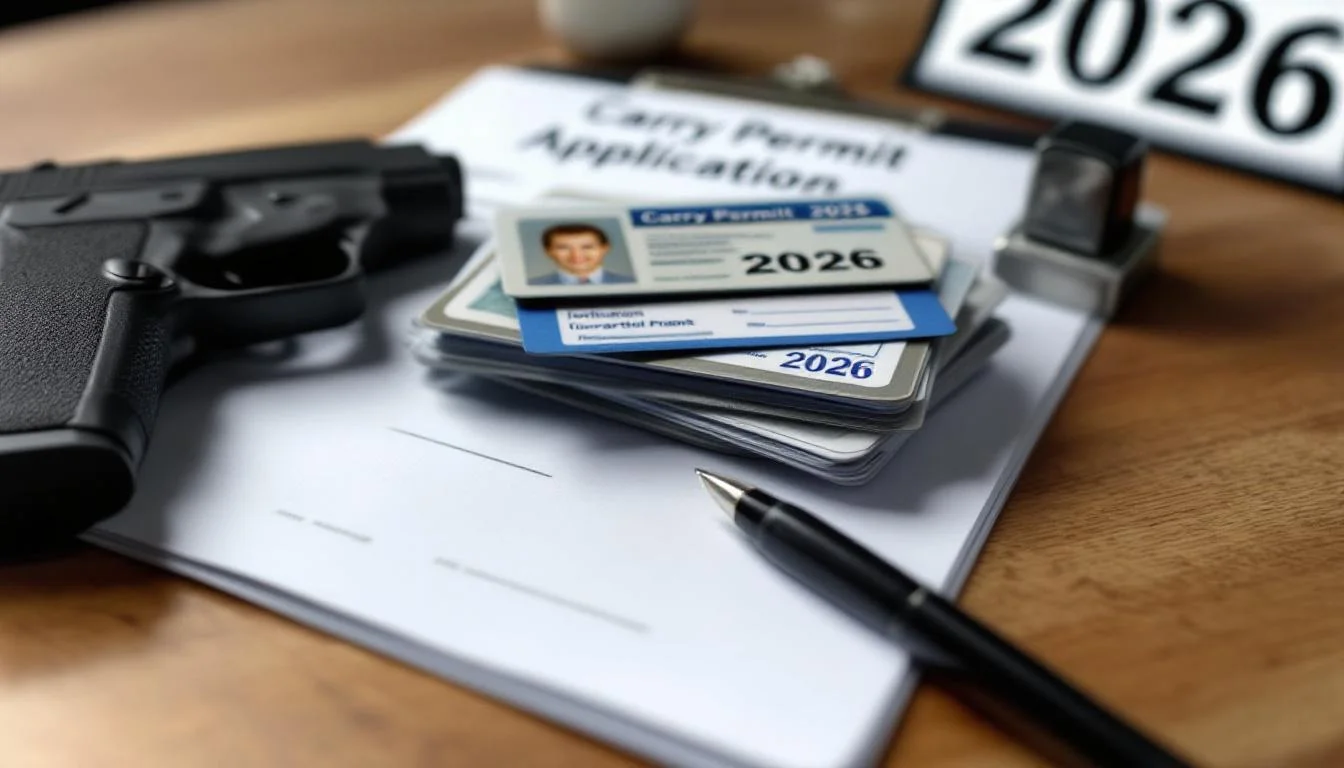
Quick answer: Yes, North Carolina still requires a concealed handgun permit to carry a pistol concealed, as of November 4, 2026. You apply to the sheriff of the county where you live; you must be 21, a resident for 30 days and complete an approved course with live fire. The application fee is $80 plus […]
Cloudster Pillow Blog
- All
- Appendix Carry
- Best Concealed Carry Gear & Essentials for Women
- Carry Techniques and Optimization
- CCW Courses and Tips
- Cloudster Pillow News
- Concealed Carry Firearms
- Holsters and Gear Recommendations
- Home Defense
- IWB Holster Wedge
- Licensing and Cost-Saving Tips
- Sling Bags and Alternatives to IWB Holsters
- Uncategorized
Yes, in most cases. Since September 1, 2021, when House Bill 1927 took effect, Texas has allowed some people to carry a handgun in a public place without a License to Carry. The Texas State Law Library’s FAQ on this topic was last updated October 4, 2024. Permitless carry does not mean no rules. You […]
Quick answer: In Pennsylvania you need a License to Carry Firearms (LTCF) to carry a handgun concealed on your body or in a vehicle. You apply to the sheriff of the county where you live, or to the Philadelphia Police Department if you live in Philadelphia. You must be 21 or older, the issuing agency […]
Quick answer: Florida allows concealed carry without a license for anyone who meets the criteria for a license, under section 790.01 of the 2026 Florida Statutes. Section 790.01 lists the license criteria that apply to carrying without a license as section 790.06(2)(a)-(f) and (i)-(n), (3) and (10). That list leaves out section 790.06(2)(h), the firearm-competence […]
Quick answer: To carry a handgun in New York you need a concealed carry license from your county or local licensing officer, or from the NYPD License Division in New York City. The state requires a 16-hour classroom course and a 2-hour live-fire course, four character references, details of the adults in your home and […]
Alien Gear’s guide to carrying in shorts says shorts “aren’t actually much of a barrier,” and “What makes the biggest difference in concealment are the top one wears and the gun belt”. This page works through those two items first, then the holster types that suit shorts, gun size for hot months, and whether dedicated […]
Quick answer: A sweat guard is the part of a holster that rises behind the gun, between the slide and your body. CYA Supply calls it “the raised section of holster material that sits between your body and the slide of your handgun.” Guards come full, mid or low; more guard means more coverage and […]
Quick answer: Most patrol officers carry a handgun, spare magazines, handcuffs, a radio and less-lethal tools on a duty belt. Police1 says the belt “holds items such as a firearm, handcuffs, radio, TASER, pepper spray, baton, and spare magazines,” and that “Duty belt gear may vary by agency policy and assignment.” What’s on a Police […]
Quick answer: The best EDC knife, multitool and flashlight are the ones you’ll actually carry. Outdoor Life tested more than 50 EDC knives and named the Kershaw Bel Air its best overall folder; its multitool pick is the Leatherman Skeletool CX and its flashlight pick the Nitecore EDC 29. Picks, criteria and test dates are […]
Quick answer: A holster shirt is a compression base layer with built-in holster pockets, worn under a regular shirt. Alien Gear describes it as “a fitted, athletic-style compression shirt with an integrated holster pouch, typically positioned in a shoulder or cross-draw configuration.” It says holster shirts suit carriers whose clothing fit, “not draw speed, is […]